Dark Academia: The 2025 Design Trend That Elevates Home Value by 15 Percent
Dark Academia has returned with significant financial benefits. Properties featuring this atmospheric, scholarly style command premiums of up to 15 percent over comparable listings. After a decade dominated by stark, minimalist interiors, prospective buyers now seek homes with personality, tactile richness, and intellectual depth. This aesthetic appears timeless and well-considered, achievable through targeted updates rather than comprehensive renovations, yielding tangible returns on investment.
Implementing Dark Academia in Your Home
Transformation requires gradual integration rather than wholesale change. Proceed through these structured steps to infuse the style effectively.
1. Select a Foundational Wall Color
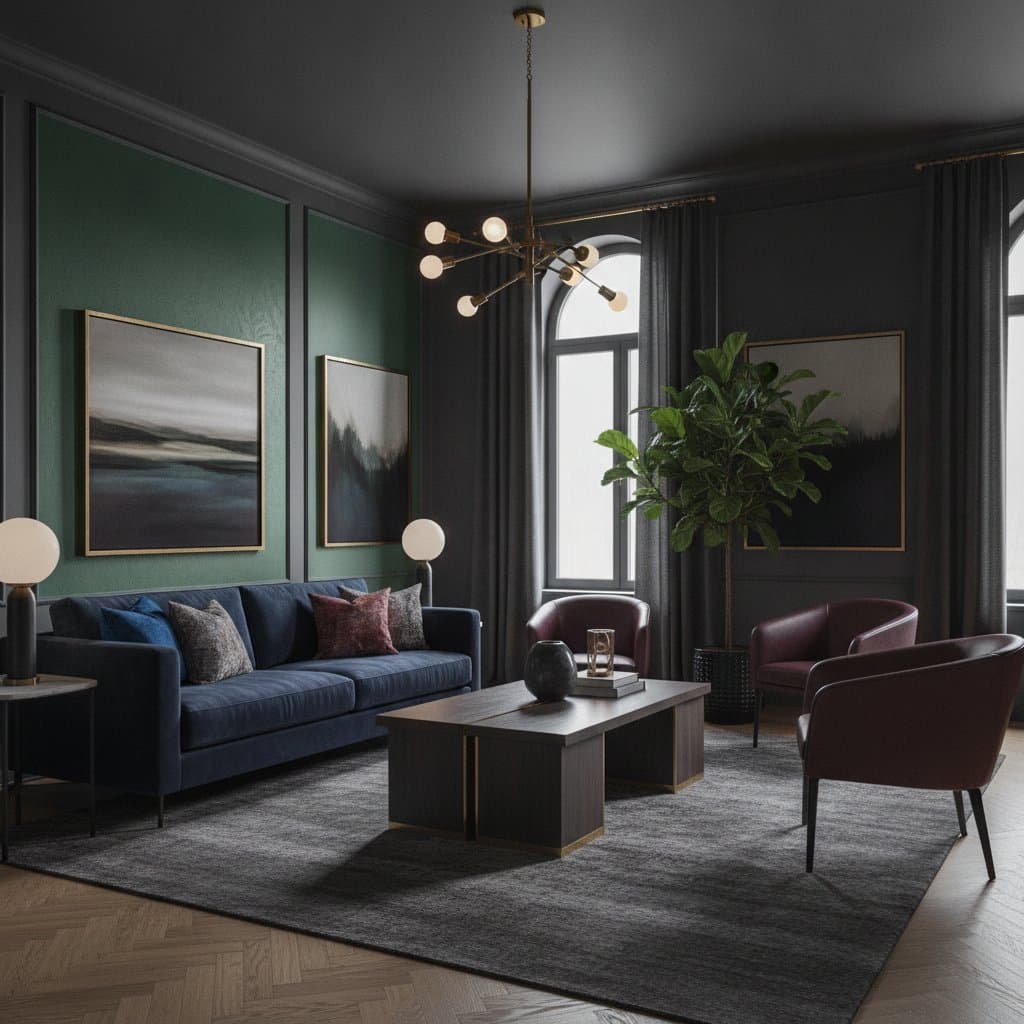
Identify a primary hue that establishes the desired ambiance. Options such as forest green, midnight navy, or deep oxblood red provide strong foundations. Opt for a matte sheen to promote a sense of enveloping warmth. Evaluate samples under both daylight and incandescent conditions to confirm the tone evokes comfort rather than confinement.
2. Introduce Contrast via Trim or Ceiling
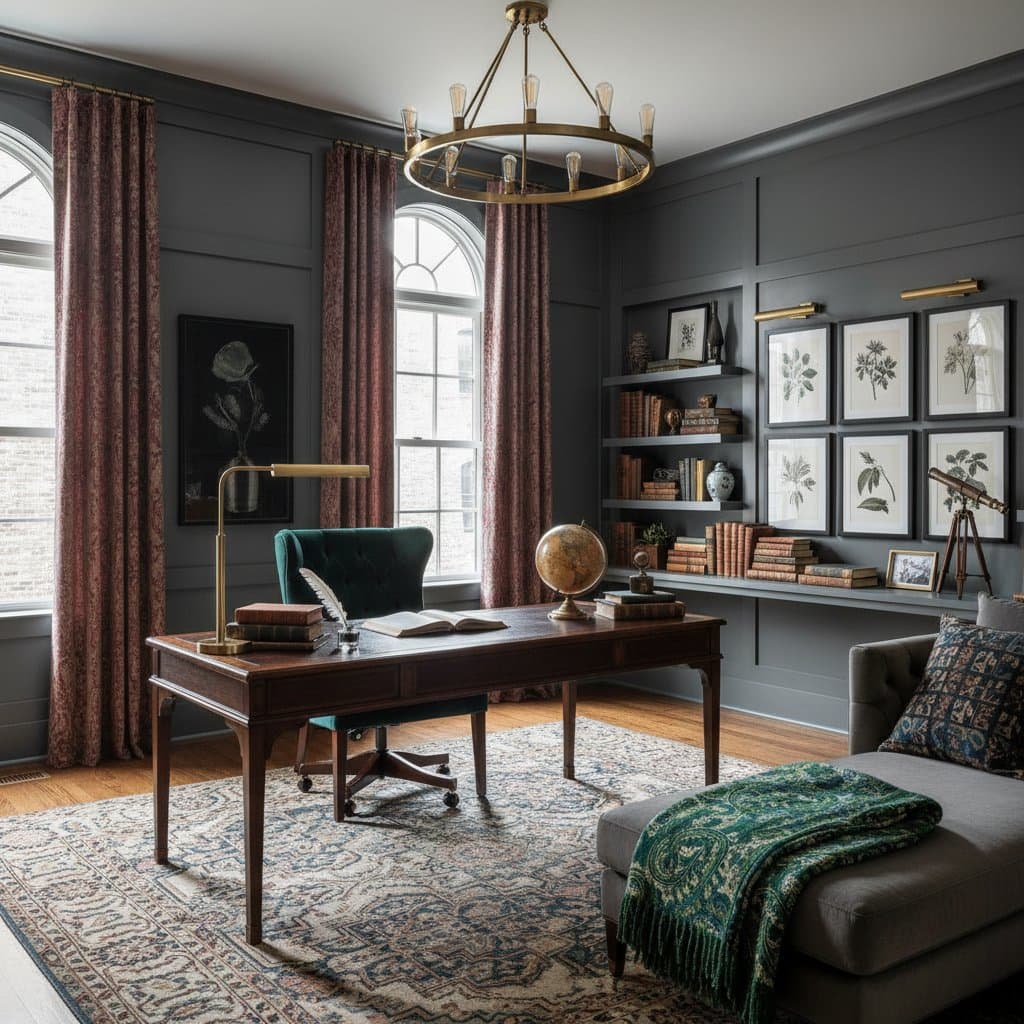
Apply a complementary shade to moldings, paneling, or the ceiling, either one tone deeper or brighter than the walls. Such differentiation fosters visual interest and spatial definition. For instance, pair charcoal gray walls with ebony trim for refined elegance.
3. Incorporate Varied Textures
Combine organic and luxurious materials like aged oak, plush velvet, and polished brass. Position a walnut bookshelf alongside a tufted velvet armchair and a brass table lamp to establish immediate intrigue. Select rugs with subtle motifs or patina to anchor the composition. Prioritize tactile elements over polished, uniform finishes to cultivate profound layering.
4. Curate Objects with Purpose
Arrange literature in varied orientations, including horizontal stacks, to suggest organic use. Integrate sculptural elements such as classical busts, etched prints, or ornate candelabra. Incorporate select antique items to lend authenticity. Maintain visible personal artifacts, and designate areas like a contemplative reading corner or a dedicated writing station to reinforce the thematic narrative.
5. Design a Multi-Layered Lighting Scheme
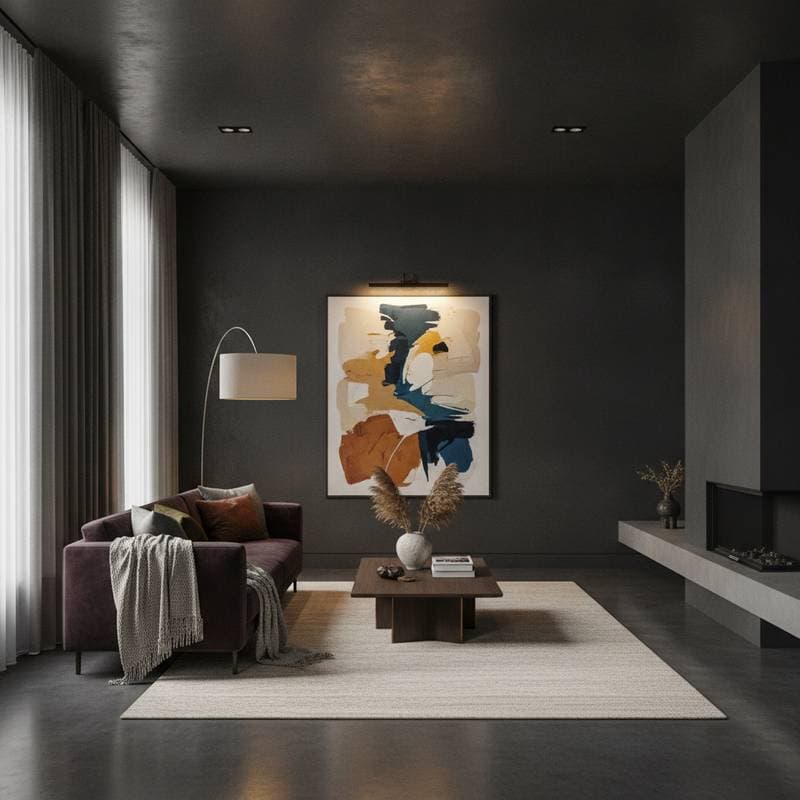
Employ a combination of ambient, task, and accent illumination sources. Integrate floor lamps, wall-mounted fixtures, and flickering candles for dynamic effect. Steer clear of singular ceiling fixtures that diminish dimensionality. Choose bulbs rated at approximately 2700 Kelvin for a soft, inviting radiance, and install adjustable controls to modulate intensity as needed.
6. Maintain Equilibrium with Contemporary Ease
An all-encompassing dark palette risks overwhelming the environment. Counterbalance with pale fabrics, compositions incorporating open areas, or gleaming surfaces such as silvered mirrors. The result should resemble a serene sanctuary rather than an oppressive enclosure.
Project Timeline
Refreshing a single modest room, including painting and accessory placement, typically spans two to four days. Extending the update to encompass multiple areas with new furnishings and illumination may require up to two weeks. Incorporating bespoke woodworking or integrated storage extends the schedule by an additional week. Allocate extra time for multiple applications of deep-toned paints, which demand prolonged curing periods.
Essential Tools and Supplies
- High-quality paint and primer suited for interior use
- Standard rollers paired with fine-angled brushes
- Precision painter's tape and protective drop cloths
- Versatile screwdriver kit for fixture installations
- Electronic stud detector and bubble level for mounting hardware
- Soft furnishings in velvet, linen, or similar fabrics
- Fixtures evoking vintage craftsmanship
- Assorted framed illustrations or reflective panels
Prior to commencement, repair any surface irregularities and thoroughly cleanse all areas. Deep shades accentuate flaws, so meticulous preparation ensures a flawless outcome.
Considerations for Regional and Climatic Variations
In regions with abundant sunlight, darker interiors mitigate heat buildup and diffuse harsh brightness. Colder locales benefit from the coziness and seclusion these schemes provide. For humid environments, select paints resistant to mildew and ensure adequate airflow. Mature residences might require humidity control devices to safeguard timber elements and upholstery.
Coastal or moisture-prone areas necessitate sealed coatings on wooden pieces to avert distortion. Arid zones call for substantial window treatments to shield textiles from intense rays. Adapt selections to local conditions while preserving the core stylistic essence.
Scenarios Requiring Professional Assistance
Engage experts for:
- Modifications involving wiring or load-bearing elements
- Bespoke storage solutions or integrated cabinetry
- Application of wallpaper to textured or aged plaster
- Efforts centered on heritage conservation
Consult a specialist in period-appropriate palettes to harmonize colors with your building's architecture. A lighting professional can orchestrate sources that illuminate shadowed spaces with subtlety and grace.
Market Insights: Achieving the 15 Percent Premium
Industry professionals in real estate and interior design observe reliable uplifts for residences with opulent, multifaceted interiors. Compelling imagery enhances digital visibility, where atmospheric compositions distinguish themselves amid bland, monochromatic options. This approach conveys enduring quality and narrative depth, resonating with discerning purchasers.
For those preparing to list a property, focus staging efforts on key areas like reception spaces, study zones, or professional offices. Employ skilled photographers who utilize directional, temperate lighting. The aesthetic renders exceptionally in visual media, supporting elevated pricing strategies.
Practical Implementation Guide
- Identify an initial space for experimentation.
- Obtain samples of three profound paint options.
- Acquire a central furnishing, such as an upholstered lounge or shelving unit.
- Integrate illumination layers and material contrasts.
- Document advancements under varying illumination to assess overall impact.
Mastering the interplay of hue and luminosity tailored to your setting allows for broader application. Initiate with surface treatments, then progressively introduce fabrics and decorative accents.
Frequently Asked Questions
Which hues characterize Dark Academia?
Earthy depths like emerald greens, chestnut browns, slate grays, and wine burgundies serve as primaries. Complement with metallic brasses, soft ivories, or subdued golds.
Does adopting this style demand substantial expense?
Basic enhancements using existing items and fresh coats of paint can commence below 500 dollars. Comprehensive overhauls involving custom elements may escalate to several thousand dollars.
Strategies for Optimal Results
Focus on incremental changes to avoid sensory overload. Test small vignettes before full commitment. Source secondhand markets for authentic pieces that enhance narrative without excess cost. Regularly assess balance to ensure the space invites rather than intimidates.