Understanding Dark Academia and Its Impact on Home Value
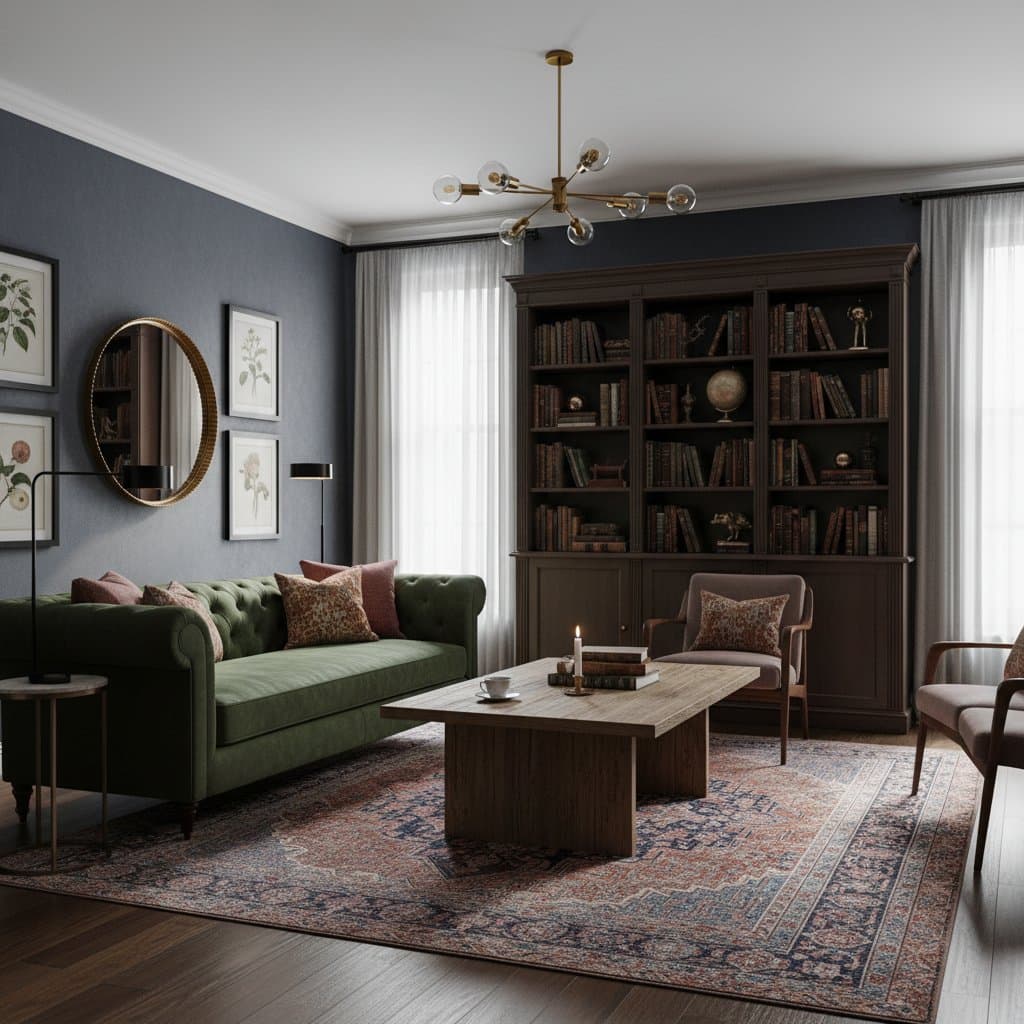
Dark Academia draws inspiration from historic libraries, university halls, and literary retreats. This design aesthetic features rich earth tones, aged leather, antique bookshelves, and soft, ambient lighting to evoke a sense of scholarly depth. In 2025, properties with these elements command higher prices, as buyers seek homes that blend comfort with cultural resonance. Real estate experts note that well-executed Dark Academia interiors can increase resale value by approximately 11 percent, particularly in urban and suburban markets where buyers prioritize unique, narrative-driven spaces.
The appeal lies in its versatility across room types, from studies to living areas. Unlike fleeting trends, this style emphasizes durability and emotional connection, making it a smart choice for long-term value. Homeowners who invest thoughtfully often see quicker sales and offers above asking price.
Breaking Down the Costs of a Dark Academia Transformation
Implementing Dark Academia requires careful budgeting across several categories. Total expenses for a single room typically range from $6,000 to $18,000, depending on scope and quality. These investments pay off through enhanced curb appeal and interior allure that resonates with discerning buyers.
Materials Selection
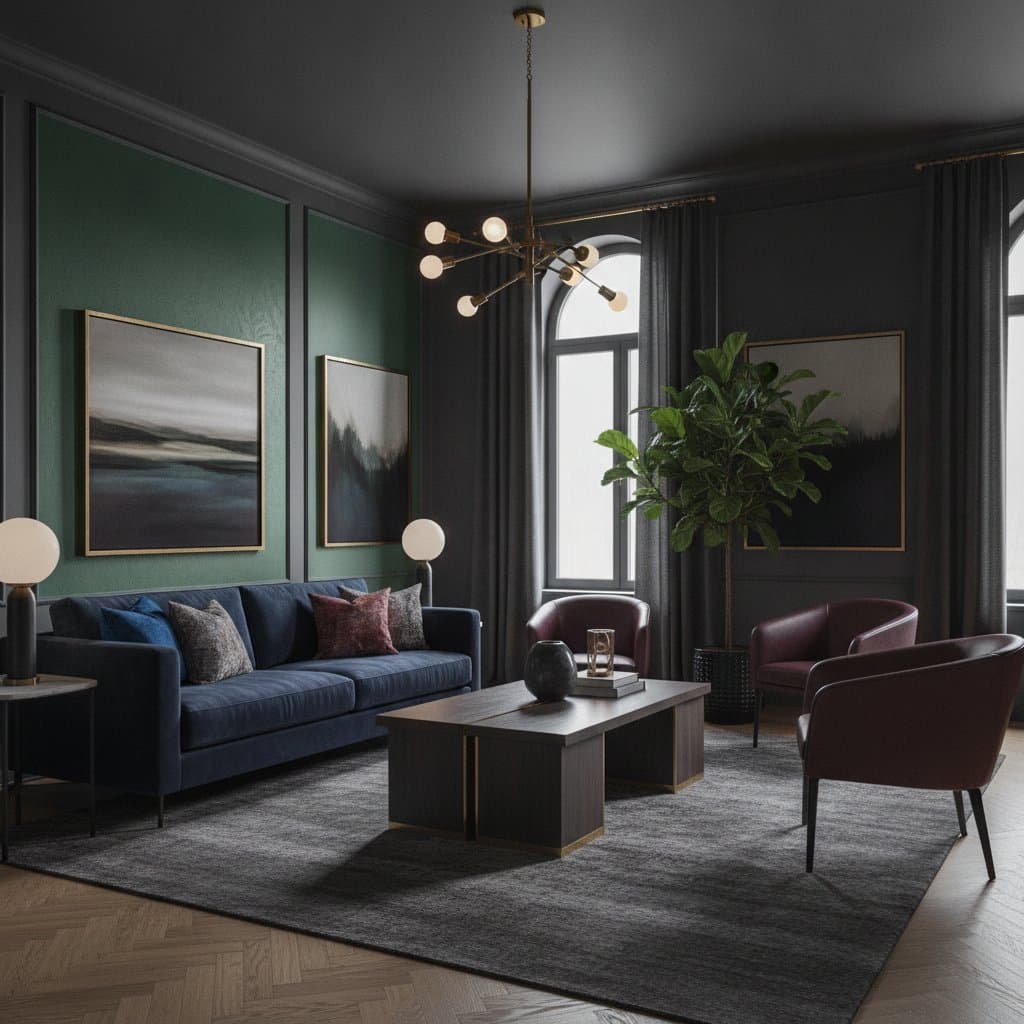
Paint serves as the foundation, with premium matte finishes in shades like deep burgundy or forest green costing $60 to $100 per gallon. These options provide a velvety texture that absorbs light effectively. Midrange paints at around $40 per gallon offer solid coverage but may require additional coats for richness.
Wood elements, such as trim, wainscoting, or paneled walls, add warmth and authenticity. Materials alone run $8 to $15 per square foot, sourced from reclaimed oak or walnut for an aged patina. Fabrics like velvet drapes or wool rugs contribute to the layered look, priced at $20 to $50 per yard.
Labor Expenses
Skilled professionals charge $3 to $6 per square foot for painting and basic carpentry. This covers surface preparation, precise application, and cleanup to ensure flawless results. For intricate features like custom built-in bookcases or crown molding, rates can climb to $10 per square foot or more.
Hiring specialists prevents common pitfalls, such as mismatched wood grains or uneven paneling. In larger projects, labor might account for 40 percent of the total budget, underscoring the value of experienced hands.
Lighting Investments
Effective lighting defines the mood, turning potential darkness into cozy invitation. Dimmable sconces or brass table lamps cost $400 to $1,000 each, with installation adding $200 to $500 per fixture. Opt for warm LED bulbs at 2700K to mimic candlelight without excessive heat.
Layering includes overhead pendants for general illumination and task lights for reading areas. This setup not only enhances functionality but also highlights architectural details, boosting perceived luxury.
Furnishings and Accessories
Core pieces like a leather armchair or oak desk range from $2,000 to $4,000 for durable, high-quality items. Incorporate antiques, such as a vintage globe or brass inkwell, to infuse personality without overwhelming the budget.
Textiles and accents, including throw blankets and framed prints of classical art, add $500 to $1,500. Prioritize pieces that withstand daily use while maintaining the scholarly vibe.
Permits and Preparation
Most cosmetic updates avoid permits, but electrical upgrades for new fixtures or structural additions like false walls require local approval. Budget $200 to $500 for inspections and minor prep work, such as removing old wallpaper or repairing drywall. Always consult building codes to sidestep delays or fines.
Deciding Between DIY and Professional Help
Dark Academia projects offer flexibility for hands-on homeowners, but success hinges on skill level and project complexity.
When DIY Suits Your Project
Repainting walls or applying textured finishes proves straightforward for those with basic tools. Small carpentry, like installing floating shelves, works well if safety guidelines are followed. Existing equipment for sanding and priming reduces startup costs significantly.
This approach saves 30 to 50 percent on labor while allowing personalization. Start with sample swatches to test color in natural and artificial light.
When to Engage Professionals
Electrical modifications, such as wiring for recessed lights, demand licensed experts to ensure safety and compliance. Custom millwork requires precision tools and techniques beyond typical DIY capabilities.
Professionals guarantee color consistency and durable finishes, critical for resale appeal. They also accelerate timelines, delivering polished outcomes without visible flaws like brush marks or gaps.
The primary DIY challenge involves achieving balanced lighting or seamless wood integration. For high-stakes resale goals, professional input minimizes risks and maximizes impact.
Project Timelines and Cost-Saving Strategies
A full room makeover spans 3 to 6 weeks, factoring in material sourcing and installation. Painting and basic assembly take 1 to 2 weeks, while custom elements extend the schedule.
Delays often stem from supply chain issues for lighting or upholstery. Order essentials early and build in buffer time for revisions.
To optimize expenses, shop during seasonal sales for furniture, potentially saving 10 to 15 percent. Integrate existing heirlooms, like family books or inherited desks, to preserve authenticity at no extra cost. Bulk purchasing paints and hardware further trims overhead.
Phased implementation, starting with one wall or corner, allows testing without full commitment. This method controls spending while refining the overall vision.
Long-Term Care for Dark Academia Spaces
Sustaining the style ensures lasting value and prevents premature wear. Repaint walls every 8 to 10 years to refresh the deep hues, using low-VOC formulas for indoor air quality.
Wood surfaces benefit from weekly dusting with soft cloths and microfiber tools. Leather items need conditioning biannually with natural oils to avoid cracking.
Maintain warm LED bulbs, replacing them as needed to preserve the 2700K glow. Control room humidity between 40 and 60 percent using dehumidifiers in damp climates. These habits extend finish life and keep the atmosphere inviting year-round.
Regular upkeep not only protects investments but also reinforces the timeless quality that attracts buyers.
Steps to Implement Dark Academia in Your Home
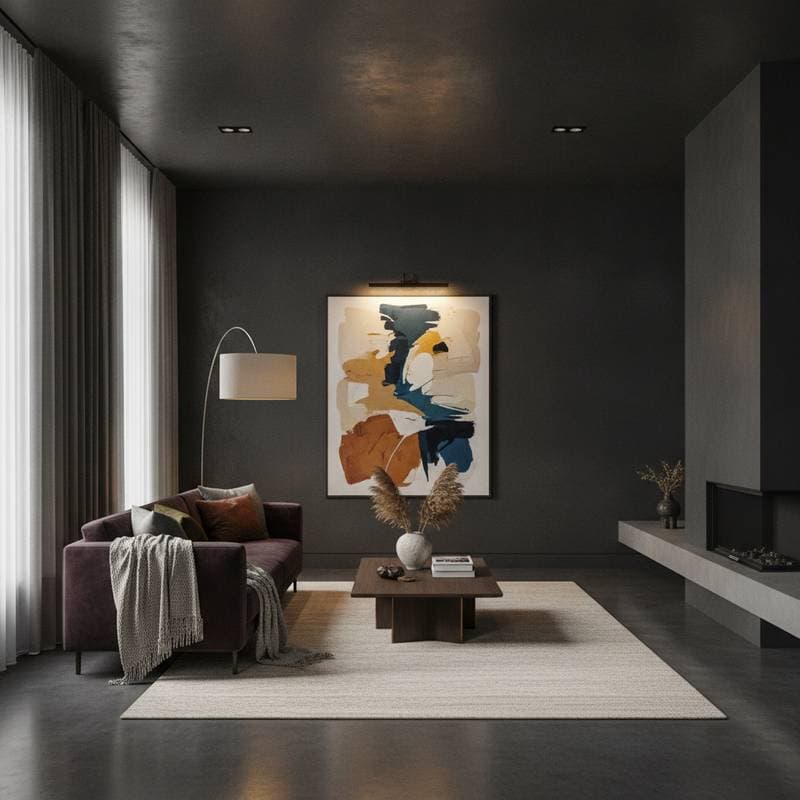
Begin with a focal area, such as a reading nook, to gauge the style's fit. Select a deep neutral paint like charcoal gray and pair it with a single antique-inspired lamp.
Observe the space during evening hours to assess lighting dynamics. If the ambiance aligns with your home's structure, proceed to adjacent rooms, layering elements gradually.
Document progress with photos to track value enhancements. This strategic rollout creates cohesive, high-impact interiors that deliver measurable resale benefits and daily enjoyment.