Why Aging-in-Place Bathroom Remodels Deliver 15 Percent ROI by 2026
Aging-in-place bathroom renovations enable homeowners to maintain safety and independence as they age. These modifications also enhance property values significantly. For numerous residences, incorporating accessibility features into bathroom designs yields an average return on investment of approximately 15 percent, positioning such upgrades as highly practical choices for sustained living and improved marketability.
Homeowners who anticipate remaining in their properties for decades benefit from these adaptations, which address common aging-related challenges proactively. Real estate experts note that properties equipped with universal design elements sell more readily and often command higher prices. This return materializes through reduced future renovation needs and broader buyer appeal.
Defining Aging-in-Place Bathrooms
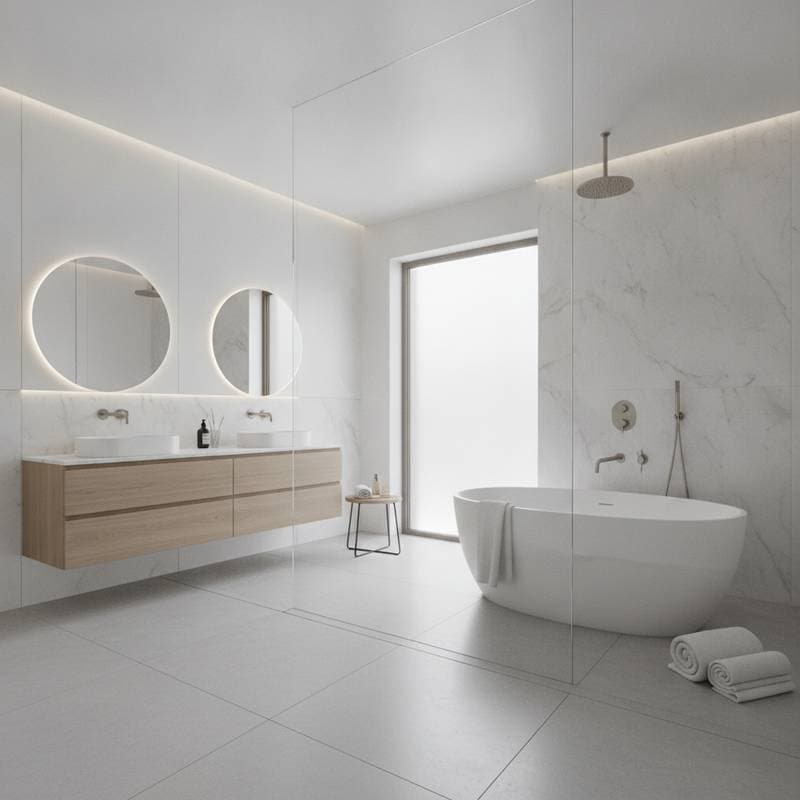
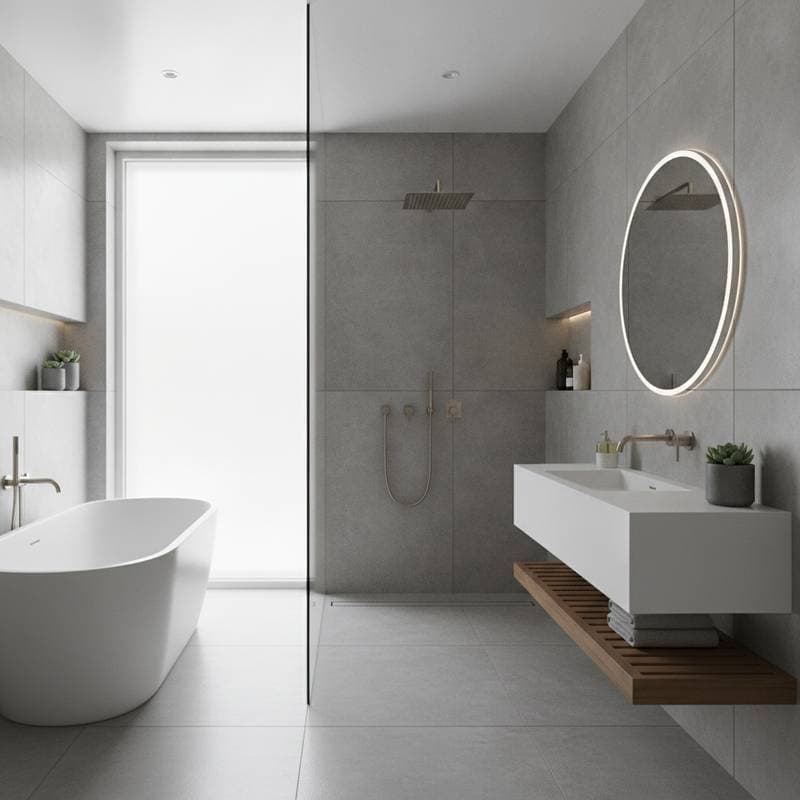
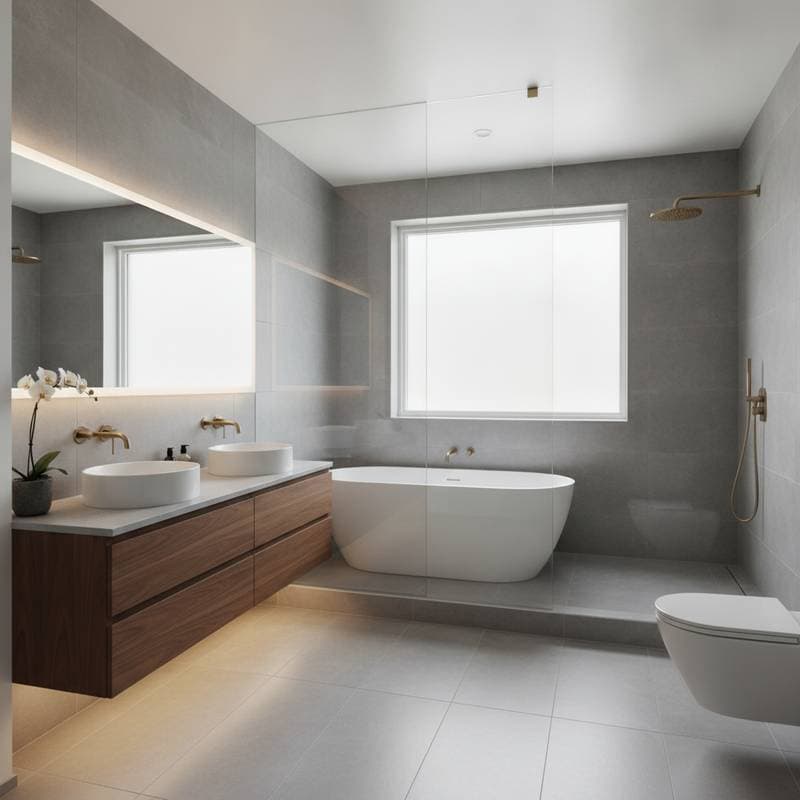
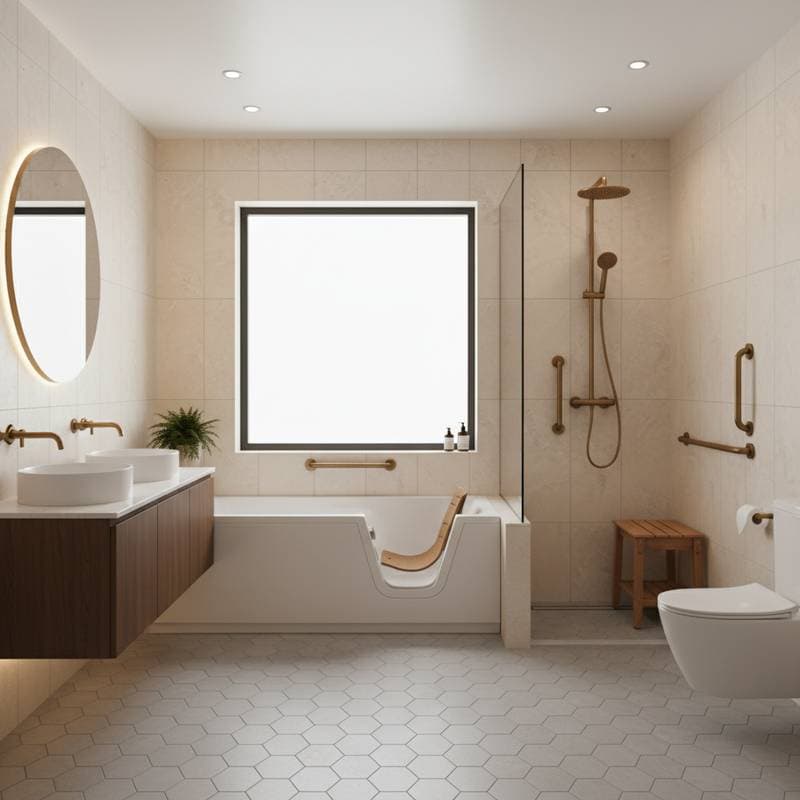
An aging-in-place bathroom represents a thoughtfully redesigned space optimized for safety, ease of movement, and overall comfort. Such designs accommodate individuals intending to reside in their homes throughout later life stages or support family members facing mobility limitations. Key elements typically encompass walk-in tubs, curbless shower entries, strategically placed grab bars, and slip-resistant flooring materials.
These renovations draw from universal design principles, ensuring usability across diverse abilities without sacrificing aesthetics. Professional designers emphasize integrating features seamlessly to preserve the bathroom's visual harmony while prioritizing functionality. Homeowners often discover that these changes transform daily routines into safer, more efficient experiences.
Cost Overview
Across the United States, aging-in-place bathroom remodels generally range from $8,000 to $25,000. Many owners allocate $12,000 to $18,000 for standard enhancements that balance quality and affordability. High-end projects featuring bespoke tiling, automated fixtures, and advanced materials may exceed $30,000.
Several factors influence these expenses. Bathroom dimensions dictate material quantities and labor intensity. Relocating plumbing lines or electrical outlets adds complexity and cost. Fixture quality, from basic to luxury models, impacts budgets substantially. Regional labor rates fluctuate, with metropolitan areas commanding premiums. Permitting processes and inspections contribute additional fees, varying by locality.
To manage costs effectively, homeowners consult detailed estimates early. Comparing vendor proposals reveals opportunities for savings without compromising safety standards. Financing options, such as home equity loans, prove useful for larger investments.
Benefits and Drawbacks
Benefits
- Enhances personal safety by minimizing fall hazards through stable supports and stable surfaces.
- Broadens appeal to multigenerational households seeking adaptable living spaces.
- Prolongs periods of independent living, delaying transitions to assisted care.
- May qualify for federal or state tax incentives aimed at home accessibility improvements.
- Elevates everyday comfort with ergonomic fixtures tailored to physical needs.
Drawbacks
- Involves greater initial expenditure compared to conventional bathroom refreshes.
- Requires adherence to permitting regulations and skilled professional oversight.
- Necessitates potential adjustments to plumbing systems or structural elements.
- Presents challenges in compact areas where design options remain constrained.
Despite these considerations, the long-term advantages often outweigh short-term hurdles for committed homeowners.
Feature Options
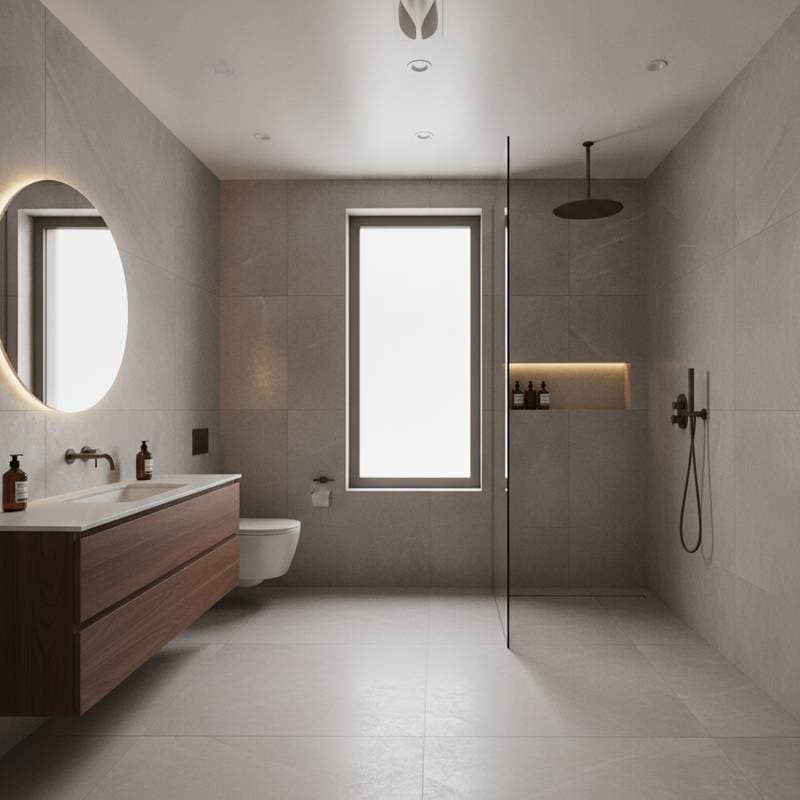
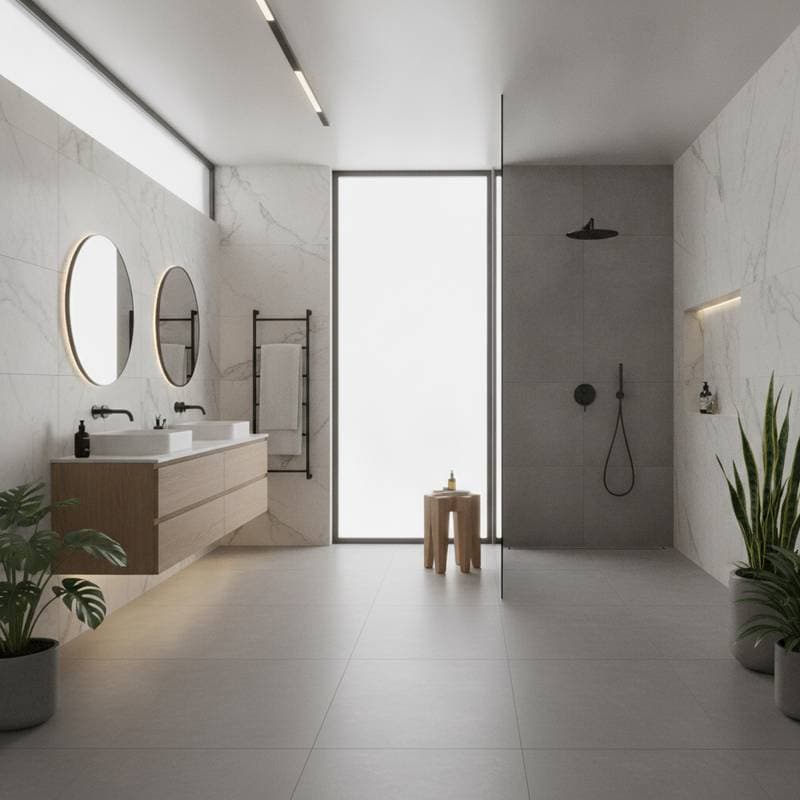
Homeowners select from various features to customize their renovations. Walk-in tubs provide secure, deep soaking environments with watertight doors, suiting those who favor baths for therapeutic relief. Curbless showers offer seamless, barrier-free access, facilitating wheelchair maneuverability and simplifying maintenance routines.
Grab bars and support rails, anchored securely near commodes, bathtubs, and doorways, deliver essential stability during transfers. Comfort-height toilets, elevated approximately three inches above standard units, reduce strain on joints and lower backs. Non-slip flooring options, including textured vinyl planks, rubber mats, or porcelain tiles with high traction ratings, safeguard against wet-surface accidents.
Integrating lever-style faucets and motion-sensor lighting further streamlines operations. Designers recommend consulting occupational therapists to align selections with specific mobility profiles, ensuring optimal outcomes.
DIY Approaches Versus Professional Services
Certain straightforward modifications, such as installing grab bars or upgrading lighting, lend themselves to do-it-yourself efforts. These tasks demand basic tools like power drills, measuring tapes, and stud finders. However, comprehensive bathroom overhauls involve intricate elements that necessitate expert intervention.
Licensed plumbers handle pipe rerouting to prevent leaks, while electricians ensure compliant wiring installations. Professional timelines span three to ten days, depending on project scope. Attempting complex work independently risks water damage, electrical hazards, or failures to meet building codes.
For waterproofing membranes, structural reinforcements, and precise alignments, engaging certified specialists remains advisable. Verify contractor credentials through state licensing boards and seek references from prior clients to secure reliable execution.
Installation Process
- Evaluate individual mobility requirements and analyze existing bathroom layout for inefficiencies.
- Precisely measure dimensions and sketch fixture arrangements to optimize space utilization.
- Demolish outdated fixtures, tiles, and flooring, disposing of materials responsibly.
- Modify plumbing conduits and electrical systems as necessary to support new configurations.
- Position and secure shower pans or bathtub units, ensuring level foundations.
- Affix grab bars, built-in benches, and task-oriented lighting for enhanced support.
- Lay non-slip flooring and apply sealants to all junctions for moisture resistance.
- Refresh wall surfaces with paint or moisture-resistant paneling.
- Verify functionality of all components, then perform thorough cleaning.
This sequence minimizes disruptions and promotes efficient progress. Homeowners benefit from coordinating with contractors to align schedules around daily routines.
Upkeep and Durability
Routine inspections every six months sustain the longevity of these installations. Examine grab bars for secure fastenings, refresh caulking around fixtures to block water intrusion, and test seals for integrity. Employ mild, non-abrasive cleaners on non-slip surfaces to preserve traction without degradation.
Monitor drains for buildup and use enzymatic cleaners to address clogs proactively. Quality fixtures endure 15 to 20 years under consistent maintenance. Retain purchase documentation for activating manufacturer warranties. Periodic grout repairs or silicone replacements avert minor issues from escalating into costly repairs.
Adopting these practices extends the investment's value, ensuring sustained safety and performance over time.
Alternative Solutions
Partial remodels introduce select features like grab bars or adjustable-height vanities without extensive disruption. Converting adjacent areas into accessible powder rooms provides supplementary convenience at reduced expense. Portable accessories, including foldable shower stools or elevated toilet risers, offer immediate adaptations with minimal commitment.
These alternatives incur lower costs, typically under $5,000, yet deliver targeted benefits. They suit temporary needs or budget constraints, though full renovations yield superior accessibility and property enhancement. Evaluate personal circumstances to determine the most fitting path forward.
Regional Considerations
Installation expenses differ markedly by location. Urban centers and coastal regions incur elevated labor charges due to demand and logistics. In colder climates, select flooring adhesives resistant to temperature fluctuations to maintain adhesion.
Compliance with local ordinances governs fixture placements, ventilation, and material specifications. Certain communities provide financial assistance through grants or rebates targeted at aging-in-place initiatives. Research municipal resources via planning departments to uncover available support.
Return on Investment and Market Impact
Properties featuring accessible bathrooms draw interest from buyers prioritizing enduring habitability. Industry professionals observe accelerated sales cycles and premium pricing for homes incorporating inclusive designs. The projected 15 percent return stems from enhanced utility and diminished requirements for subsequent modifications.
Appraisals reflect these upgrades positively, particularly in markets with aging populations. Strategic investments align with demographic shifts, securing financial gains alongside practical advantages.
Essential Safety Measures
Incorporate ground-fault circuit interrupter outlets adjacent to water sources to mitigate shock risks. Select flooring adhering to ANSI A137.1 standards for dynamic coefficient of friction exceeding 0.6. Delegate electrical and plumbing tasks to credentialed experts to uphold code adherence.
Secure permits for any alterations involving load-bearing walls or drainage alterations. Eliminate protruding edges on tiles or thresholds that pose tripping dangers. Regular safety audits post-installation confirm ongoing compliance and effectiveness.
Implementing Your Renovation
Initiate planning with a realistic budget assessment and timeline projection. Solicit proposals from at least three contractors experienced in accessibility projects. Scrutinize warranties on materials and affirm alignment with prevailing regulations.
A meticulously planned aging-in-place bathroom furnishes immediate security and fortifies future market position. Homeowners who pursue these enhancements invest in resilient, adaptable living environments that support well-being across life's stages.