
Introduction
Homeowners increasingly recognize the value of accessible bathrooms, which not only improve daily living but also enhance property appeal. These modifications align with universal design, making spaces usable for people of all abilities and ages. Research indicates that such upgrades can raise resale value by up to 15 percent, attracting a broader buyer pool including families planning for future needs.
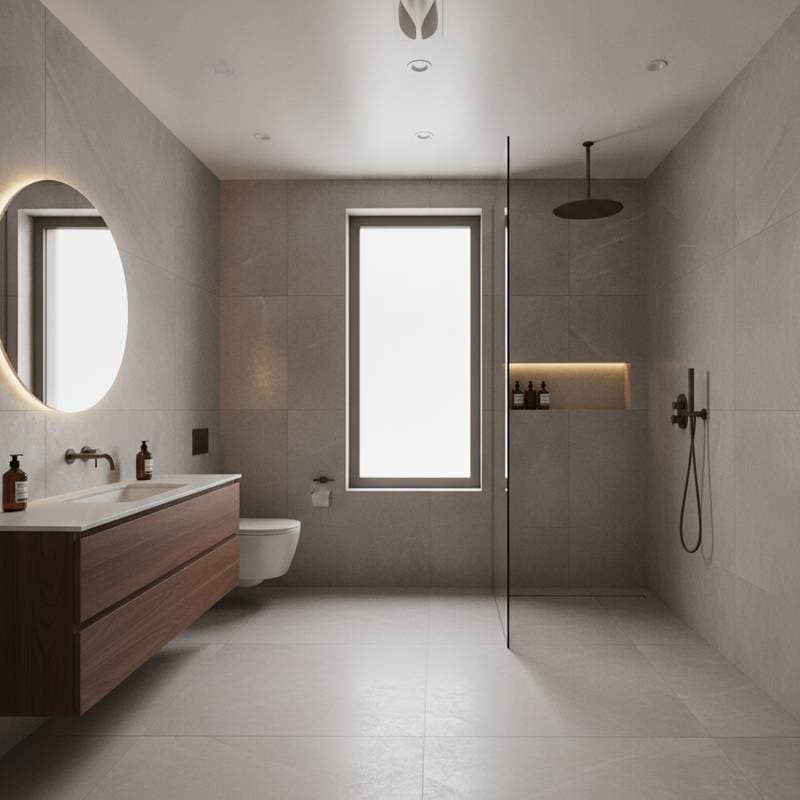
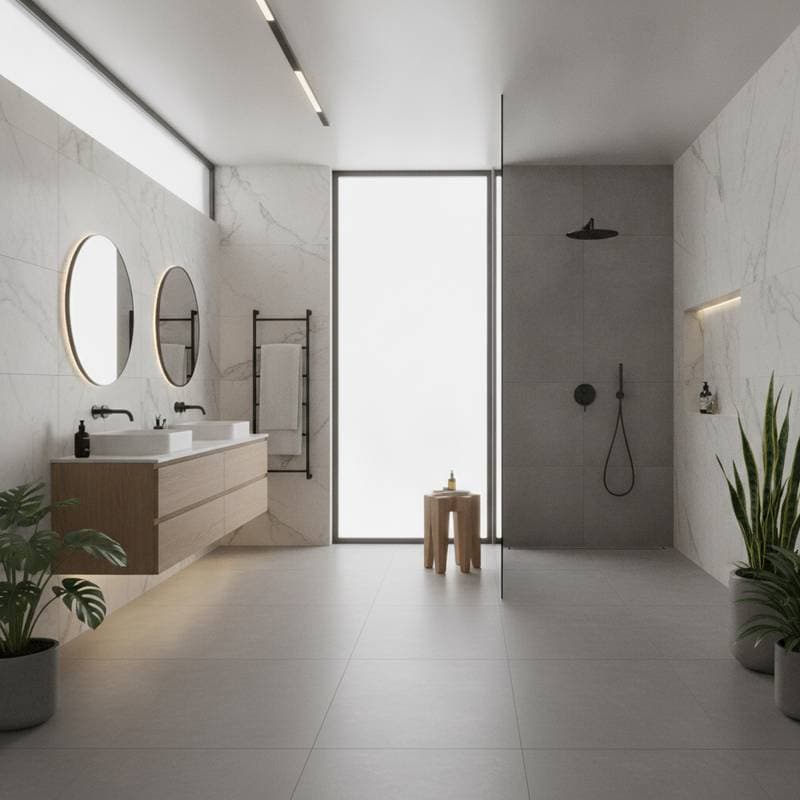
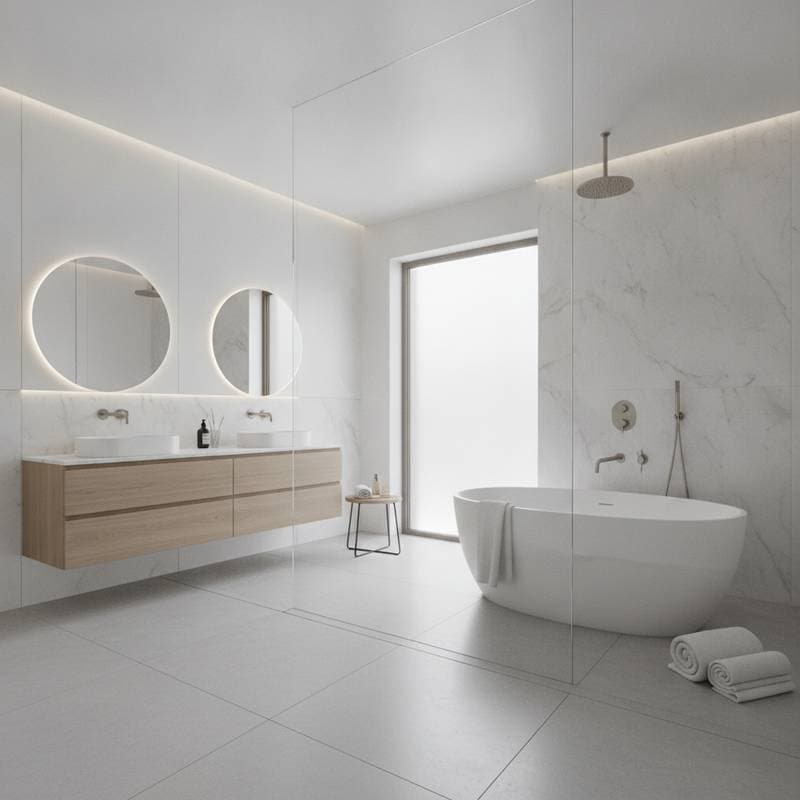
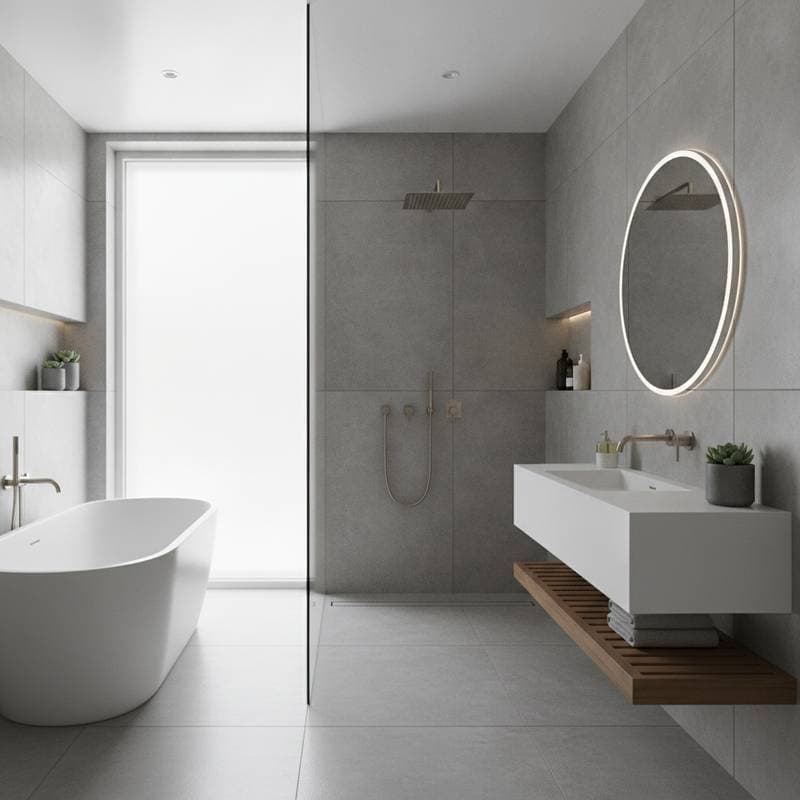
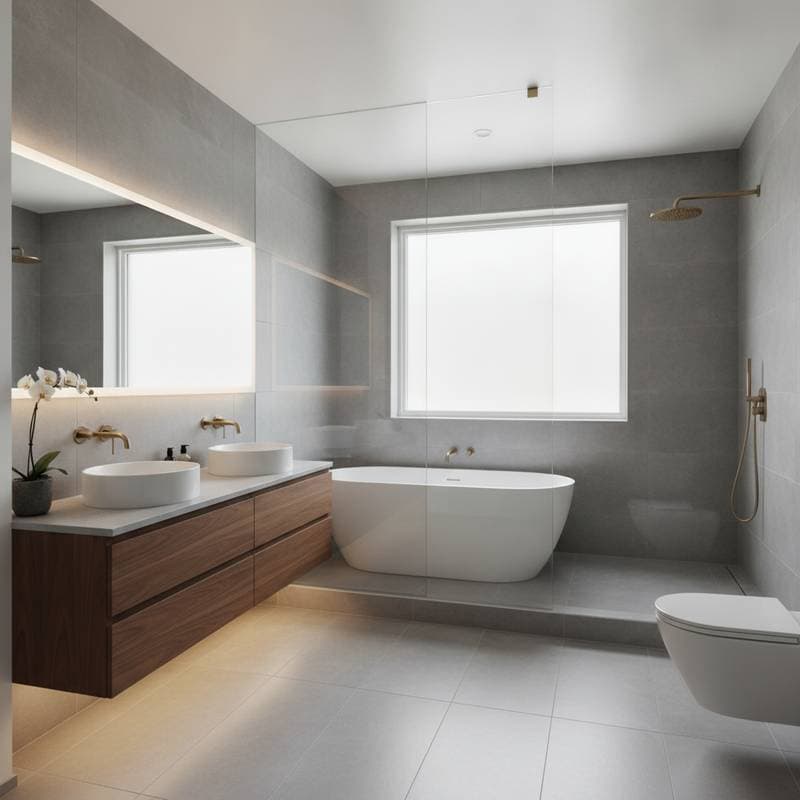
Implementing accessibility involves thoughtful changes like curbless showers and reinforced walls for grab bars. These elements ensure safety without sacrificing style. As populations age, buyers prioritize homes that support independent living, turning potential renovation costs into long-term investments.
Considerations for Historic Homes
Owners of historic properties face unique challenges when pursuing accessible bathroom updates. Structural limitations and preservation requirements often necessitate special approvals for alterations such as widening doorways or reconfiguring layouts. Consult local historic commissions early to understand variance processes and avoid delays.
Always verify compliance with regional accessibility standards. The Americans with Disabilities Act provides baseline dimensions, yet municipal codes may impose additional rules. Engage an architect experienced in historic renovations to balance accessibility with architectural integrity.
Essential Safety Features
Safety forms the foundation of any accessible bathroom design. Bathrooms present risks from wet floors, electrical hazards, and poor visibility, so precise planning minimizes accidents. Prioritize features that address these concerns while maintaining functionality.
Electrical Safeguards
Install Ground Fault Circuit Interrupter outlets adjacent to all water fixtures to prevent shocks. Position light switches and controls outside direct shower paths to reduce exposure to moisture. Consider dimmable LED fixtures for adjustable illumination without glare.
Plumbing Protections
Anti-scald devices on faucets regulate water temperature to avoid burns. Opt for touchless or lever-operated fixtures that require minimal dexterity. These choices enhance usability for individuals with limited mobility.
Structural Reinforcements
Strengthen walls with solid wood blocking before applying finishes, allowing secure installation of grab bars. Select bars with multiple grip options for varied support needs. This preparation supports current and future adaptations without major disruptions.
Flooring and Surface Choices
Select materials with a Dynamic Coefficient of Friction rating of at least 0.42 to resist slips. Textured tiles or vinyl planks provide traction while offering aesthetic variety. Avoid glossy surfaces that become hazardous when wet.
Lighting and Ventilation Solutions
Bright, shadow-free lighting aids navigation, especially at night; integrate motion-activated sensors for convenience. Exhaust fans rated for quiet operation remove humidity effectively, preventing mold growth and ensuring air quality.
Consult a licensed contractor or inspector to confirm all elements meet safety codes prior to project completion. Professional oversight guarantees reliability and peace of mind.
Planning and Executing the Remodel
Begin the process by clarifying objectives: full wheelchair accessibility or enhanced ease of use? Assess your bathroom's dimensions to determine feasible modifications, such as clearance for maneuvering.
Solicit proposals from at least three contractors certified in universal design. Review portfolios of past accessible projects and verify references. Ensure familiarity with ADA standards and local regulations to avoid compliance issues.
Incorporate adaptability for longevity. Install versatile grab bars that serve as towel holders, and prepare walls for potential future additions. Choose lever-style hardware over round knobs for simpler operation, and maintain uniform flooring transitions to eliminate trip hazards.
Even without immediate personal needs, these principles safeguard property value. A versatile bathroom appeals to diverse buyers, positioning the home as low-maintenance and forward-thinking.
Frequently Asked Questions
What Is the Typical Cost of an Accessible Bathroom Remodel?
Expect to invest between $18,000 and $28,000 for a standard accessible renovation. Budget-friendly options, like partial updates, may fall under $10,000, whereas comprehensive or high-end projects often surpass $40,000. Factors such as space size and material quality influence the final price.
Do Permits Apply to Accessible Bathroom Projects?
In nearly all jurisdictions, permits are mandatory for work involving plumbing, electrical systems, or structural adjustments. Contact your local building authority to outline requirements and schedule inspections. This step ensures legal adherence and safety.
What Are the Basic Space Standards for Accessibility?
Provide a minimum 60-inch turning radius for wheelchairs and 32-inch clear door widths. Roll-in showers require at least 30 by 60 inches of unobstructed floor space. These measurements accommodate standard mobility aids effectively.
Is It Possible to Adapt a Compact Bathroom Without Expansion?
Certainly, targeted changes yield significant improvements. Wall-mounted sinks free up floor area, pocket doors save space, and zero-threshold showers ease entry. Such adjustments enhance flow in confined areas without major reconstruction.
Can Insurance or Medicare Fund These Upgrades?
Coverage is limited unless features qualify as prescribed medical devices. Explore grants from community organizations or low-interest loans through veterans' programs. Financial assistance varies by location and eligibility.
Preserving and Leveraging Your Upgrade
Post-remodel maintenance sustains the bathroom's performance and value. Perform routine cleaning to prevent buildup, address leaks promptly, and conduct yearly inspections of safety components. These habits extend the lifespan of your investment.
When preparing to sell, emphasize accessible attributes in marketing materials. Highlight how these features eliminate buyer renovation burdens, appealing to those seeking immediate usability.
For long-term residents, the advantages manifest daily through greater independence and reduced physical effort. Thoughtful design fosters comfort across generations.
To proceed, obtain detailed bids from universal design specialists. Scrutinize blueprints for code alignment, select durable finishes, and oversee installation. This accessible bathroom transcends mere renovation; it delivers enduring health benefits, practical enhancements, and elevated market worth.