Wet Rooms: The 2026 Trend Replacing Tubs and Adding 11 Percent Value
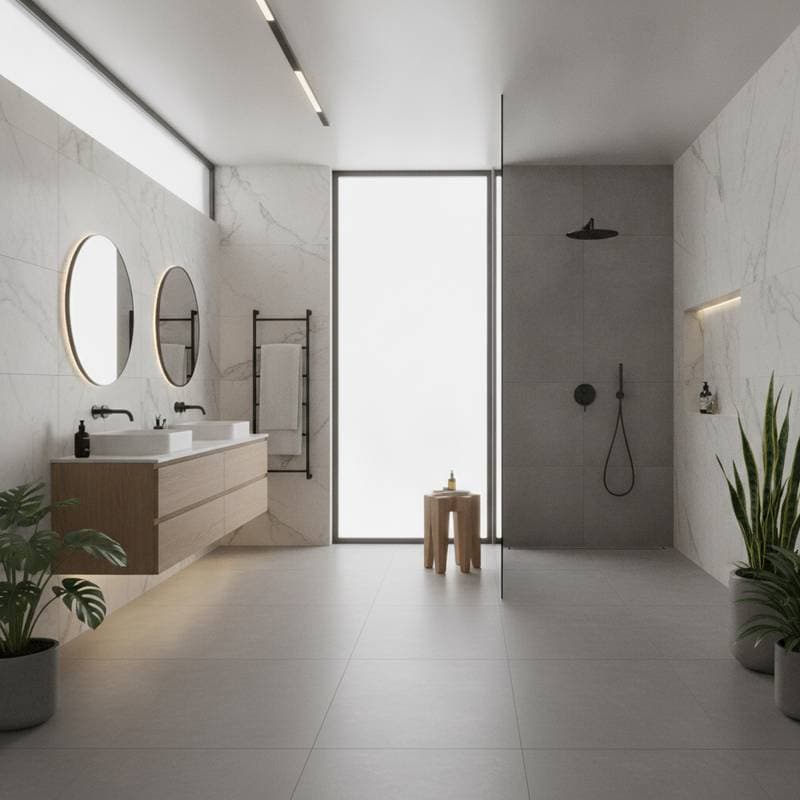
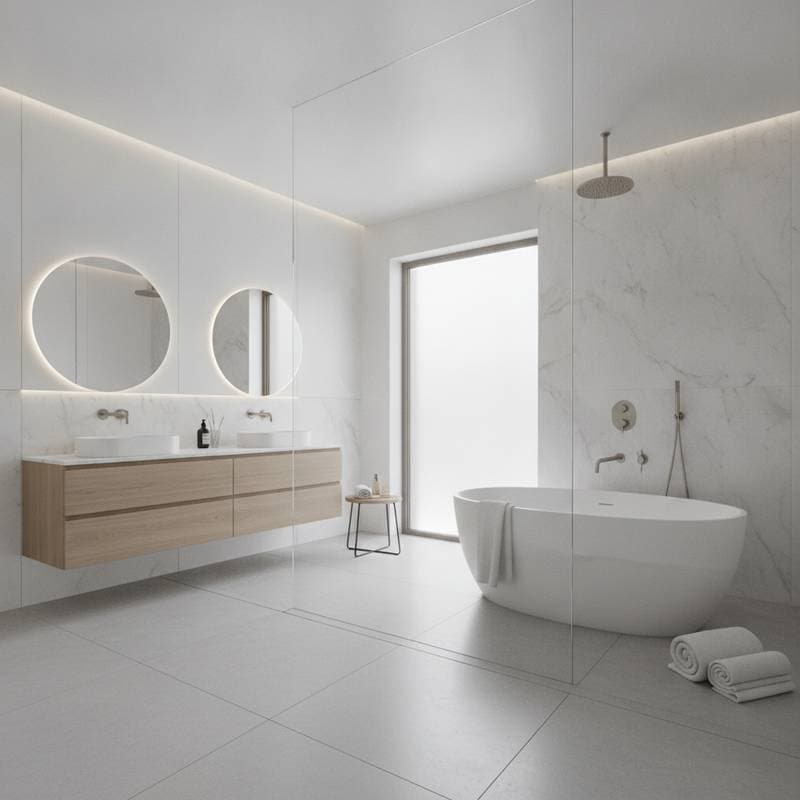
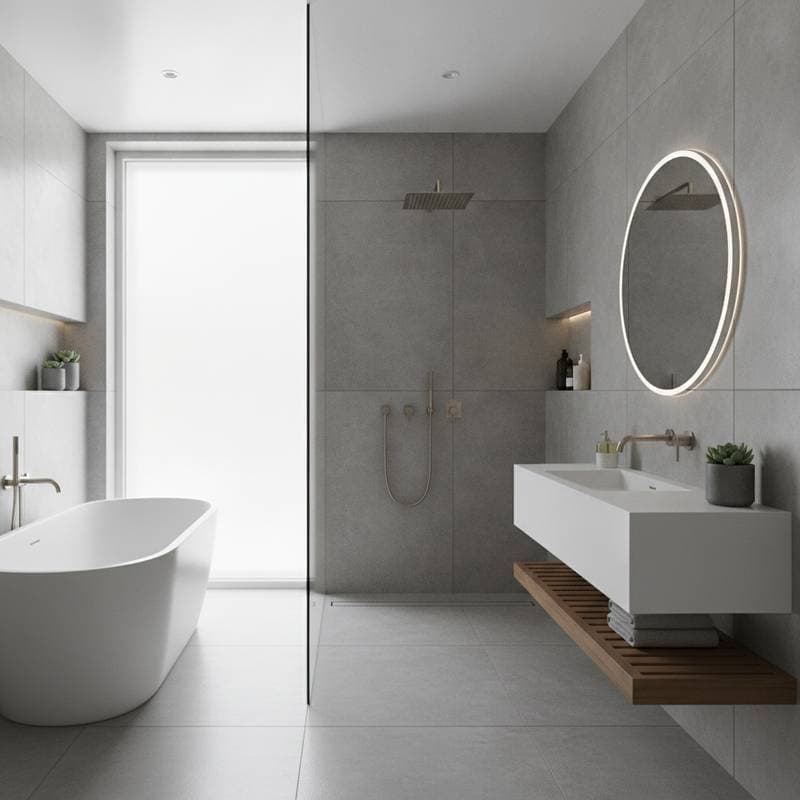
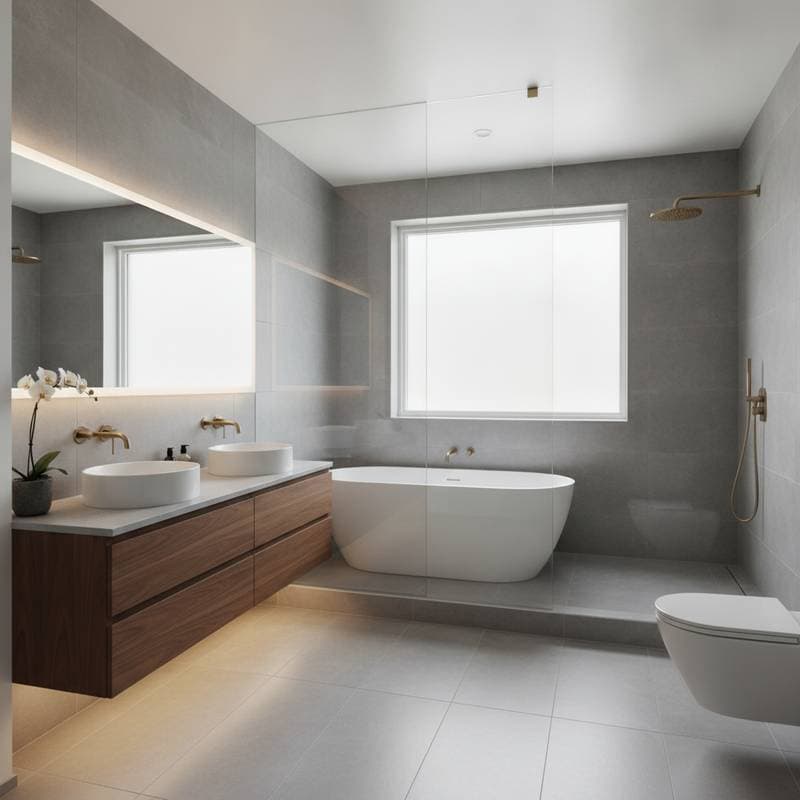
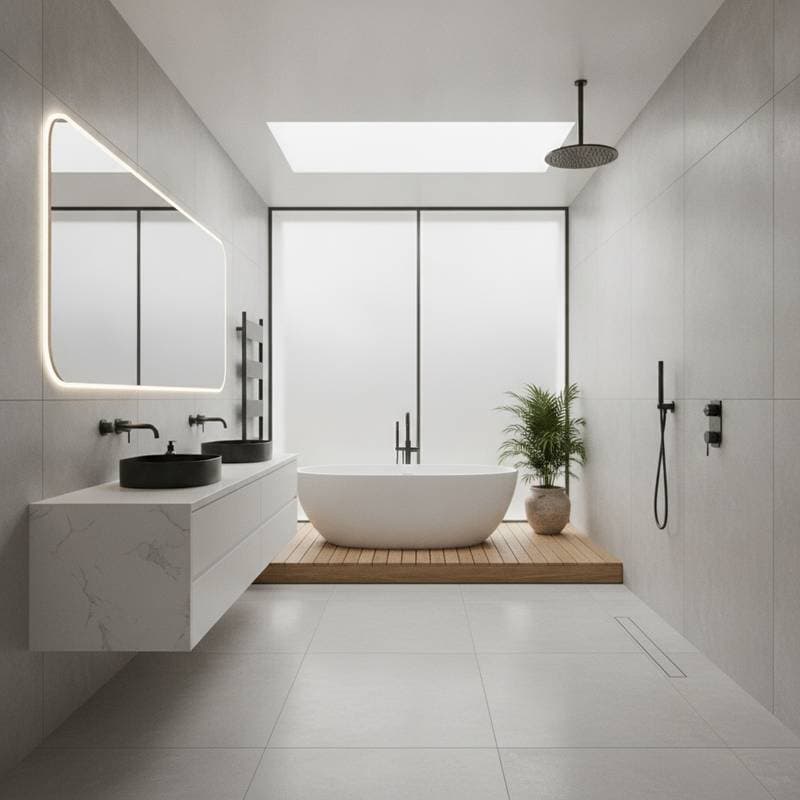
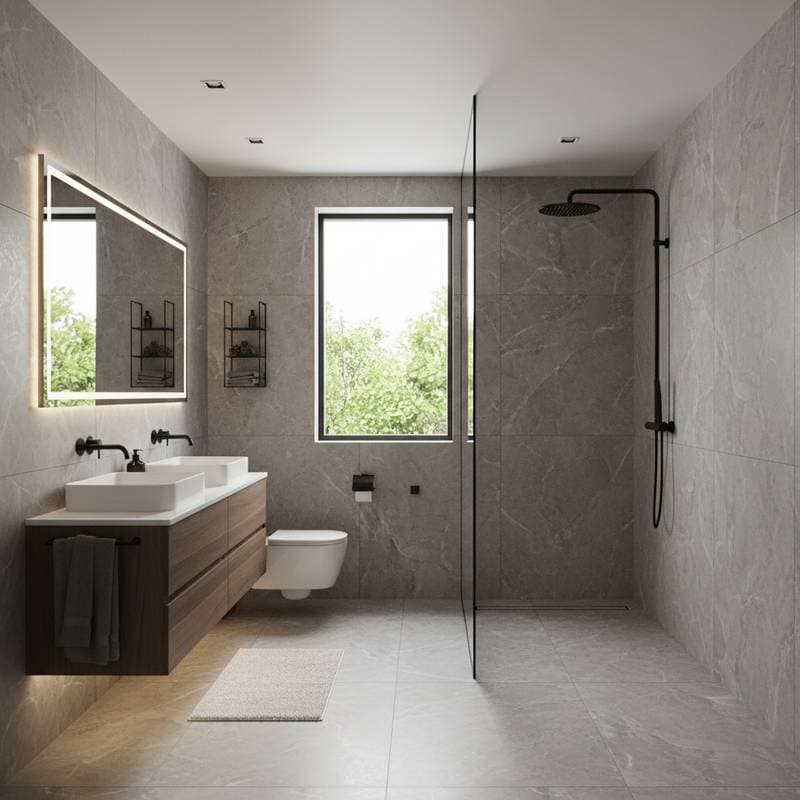
Wet rooms represent fully waterproofed bathrooms featuring a level-floor, barrier-free shower area integrated into the entire space. Without curbs or doors, water flows freely across the floor toward a central drain, fostering an expansive and minimalist aesthetic. This configuration eliminates traditional shower enclosures, resulting in a streamlined environment that enhances both functionality and visual appeal.
Homeowners pursuing accessibility modifications, space optimization in compact layouts, or contemporary styling find wet rooms particularly advantageous. These installations support upscale transformations while accommodating practical needs, such as aging-in-place adaptations. As projections indicate, incorporating a wet room can increase property resale value by up to 11 percent, according to recent real estate analyses focused on modern bathroom features.
Costs and Return on Investment
Installing a wet room typically ranges from $10,000 to $25,000, depending on size, materials, and location. Basic setups in standard 5-by-8-foot bathrooms start around $10,000, covering waterproofing, tiling, and drainage adjustments. Luxury versions with heated floors, custom fixtures, and premium tiles can exceed $20,000.
The return on investment proves compelling, often recouping 70 to 90 percent of costs upon resale. This boost stems from the appeal to diverse buyers, including those prioritizing universal design and low-maintenance features. Factors influencing ROI include professional installation quality and alignment with current market preferences for open, spa-inspired bathrooms.
Pros and Cons
Advantages
- **Space ** By removing shower barriers, wet rooms create an illusion of greater square footage, ideal for compact or powder-room conversions.
- Accessibility Benefits: Level entry supports wheelchair maneuverability and reduces fall risks, making them suitable for multigenerational households.
- Simplified Cleaning: Seamless surfaces with minimal grout lines allow quick wiping, resisting mildew accumulation compared to enclosed showers.
- Luxurious Ambiance: Integrated lighting and high-end finishes evoke a resort-like retreat, elevating daily routines.
- Value Appreciation: Properly executed designs contribute to an 11 percent uplift in home equity, appealing to future buyers seeking modern conveniences.
Disadvantages
- Elevated Upfront Expenses: Comprehensive waterproofing and structural preparations drive costs higher than standard shower retrofits.
- Drainage Challenges: Inadequate floor sloping may lead to pooling water, necessitating expert grading during construction.
- Humidity Management: Increased moisture levels demand robust exhaust systems to mitigate condensation and potential mold growth.
- Material Specifications: Floors require nonslip tiles meeting safety standards, limiting glossy or smooth options.
- Post-Installation Limitations: Accessing underlying plumbing becomes more involved, potentially complicating future repairs.
DIY Versus Professional Installation
Constructing a wet room demands expertise in waterproofing techniques, floor leveling, and plumbing integration. Key elements include applying liquid membranes or sheet liners to walls and floors, ensuring a subtle gradient for water runoff, and positioning linear or point drains effectively.
DIY Assessment
- Complexity Level: Advanced, suitable only for those with tiling and construction experience.
- Duration: Professionals complete the project in 4 to 8 days; DIY efforts may extend to two weeks or more due to learning curves.
- Essential Tools: Include a wet tile saw, notched trowel, liquid-applied waterproofing compound, laser level, and prefabricated drain assemblies.
- Potential Risks: Errors in slope calculation or membrane application can result in water intrusion, leading to subfloor damage or mold issues.
Opt for professional services in scenarios involving subfloor reinforcement, relocation of existing pipes, or when seeking manufacturer-backed warranties. While prefabricated wet room kits simplify the process for seasoned DIYers, licensing and insurance protect against liabilities for most projects. Consult local contractors to evaluate your home's suitability before proceeding.
Maintenance and Expected Lifespan
With diligent upkeep, a well-constructed wet room endures 15 to 25 years, outlasting many conventional bathroom setups. Durable materials like porcelain tiles and epoxy-based sealants withstand daily exposure to water and humidity.
Daily and Periodic Care
- Clean surfaces weekly using a mild, pH-neutral cleaner to prevent residue from soaps and shampoos.
- Reapply grout sealant every 12 to 18 months to maintain water resistance and appearance.
- Clear drain strainers monthly to avoid blockages from hair and debris.
- Conduct annual inspections for signs of sealant degradation or wall moisture, addressing issues promptly.
Many systems offer 10- to 25-year warranties on waterproofing components. Adhere to specific guidelines from suppliers, such as periodic membrane testing, to preserve coverage and functionality.
Local Considerations
Building codes in most regions mandate permits for alterations involving waterproofing, drainage modifications, and electrical updates. Compliance with standards like ANSI A137.1 ensures floor tiles achieve adequate slip resistance.
Regional Influences
- Humid or Coastal Areas: Enhanced ventilation, such as dual fans or dehumidifiers, combats mold risks in places like Florida or the Gulf Coast.
- Colder Regions: Incorporate radiant floor heating to counter chill from tiled surfaces in northern states.
- Urban High-Cost Markets: Labor in cities such as Los Angeles or New York inflates budgets by 20 to 30 percent; source materials locally to offset expenses.
Verify that floor slopes and membrane types align with jurisdiction-specific plumbing regulations. Engage a local inspector early to streamline approvals and avoid rework.
Safety Essentials
Wet rooms combine water elements with structural and electrical components, requiring stringent safety measures to prevent accidents and damage.
- Electrical Precautions: Install Ground Fault Circuit Interrupter (GFCI) receptacles and fixtures certified for damp locations, maintaining clearances from water zones.
- Waterproofing Integrity: Apply membranes with full overlaps and test for leaks before tiling; omissions invite subfloor rot over time.
- Nonslip Surfaces: Select tiles with a dynamic coefficient of friction exceeding 0.42, tested under wet conditions for reliable traction.
- Airflow Solutions: Equip with exhaust fans capable of 50 cubic feet per minute or more to expel humid air efficiently.
- Regulatory Compliance: Secure permits and inspections for all plumbing, electrical, and structural changes to meet code.
These practices safeguard against slips, shocks, fungal growth, and expensive repairs, ensuring long-term reliability.
Frequently Asked Questions
What Slope Is Required for the Floor?
A gentle incline of 1 to 2 percent, equivalent to one-quarter inch drop per linear foot, directs water efficiently to the drain without noticeable unevenness.
Is Installation Feasible on Upper Levels?
Affirmative, provided the structure supports added weight; reinforce joists and use a leak-proof tray or elevated subfloor to manage drainage.
Do Wet Rooms Prone to Leaks Compared to Enclosed Showers?
No, when constructed with comprehensive tanking systems and sealed perimeters, they exhibit superior leak prevention through holistic waterproofing.
Which Tiles Are Optimal?
Porcelain or matte-finish ceramics with absorption rates under 0.5 percent perform best, offering durability and grip without excessive shine.
Is a Screen or Enclosure Necessary?
Not required for the core design, though a low-profile glass panel can contain spray in open-plan bathrooms exceeding 60 square feet.
Planning Your Wet Room Upgrade
Transforming your bathroom into a wet room enhances usability, aesthetics, and marketability while delivering substantial value. Prioritize certified waterproofing and precise drainage to maximize benefits. Solicit bids from vetted specialists, scrutinize their approaches to sealing and sloping, and secure detailed warranty documentation.
Review zoning permits and select finishes that harmonize safety with personal style. This investment yields a resilient, enjoyable space that appreciates over time.