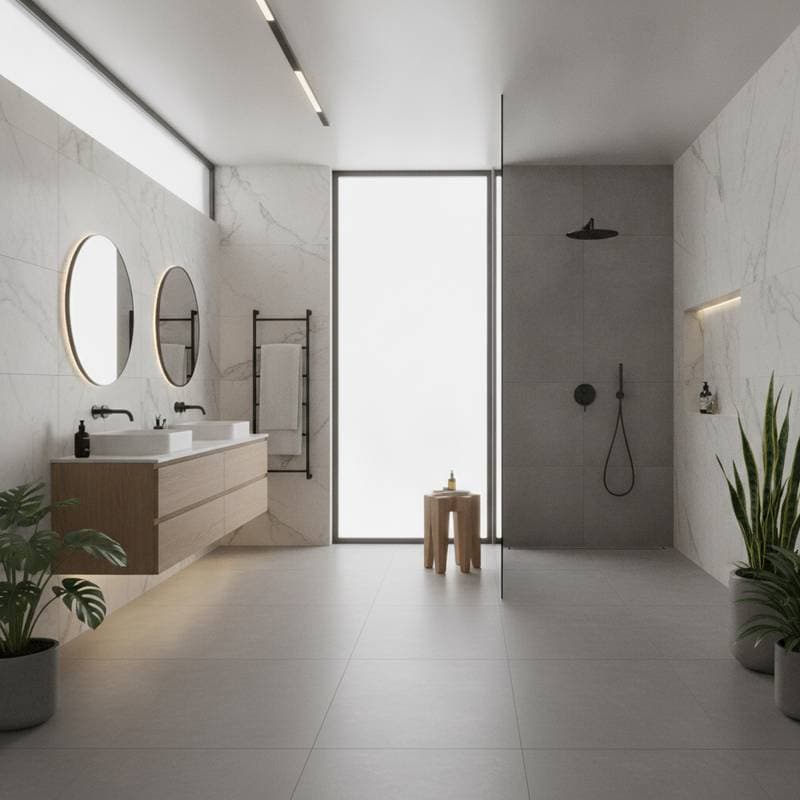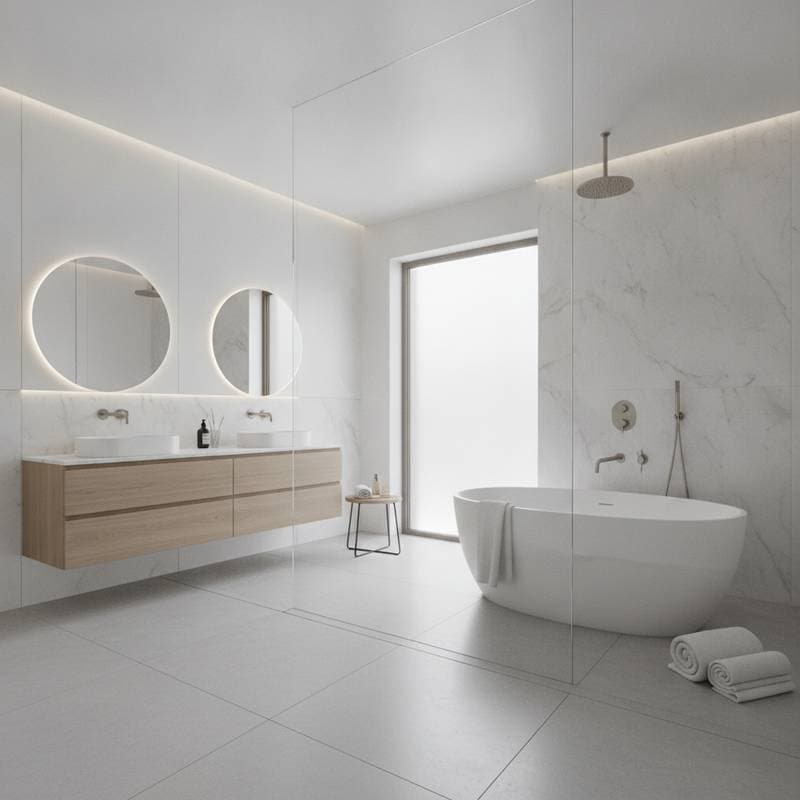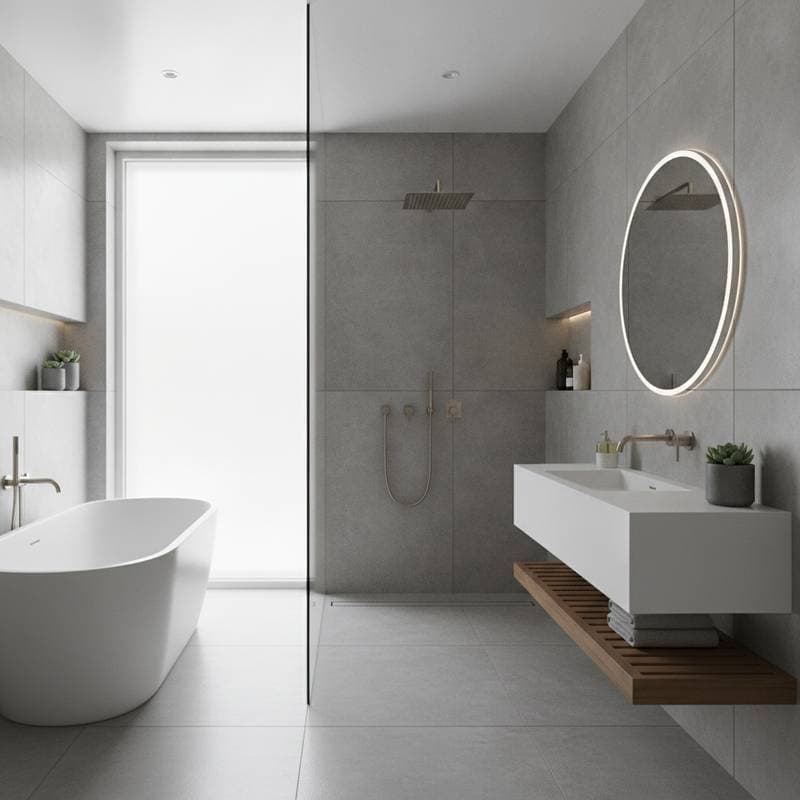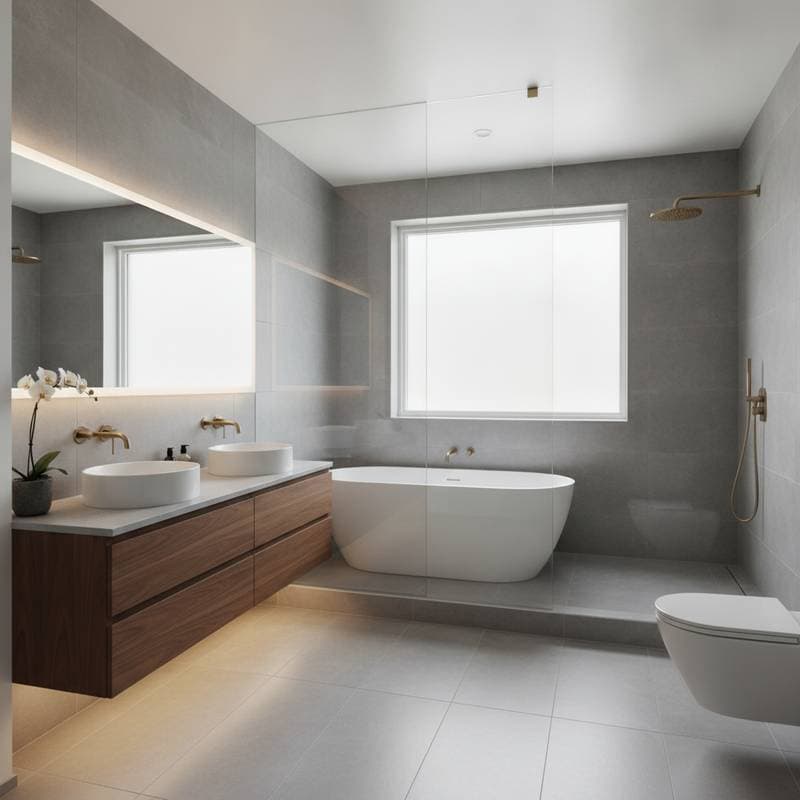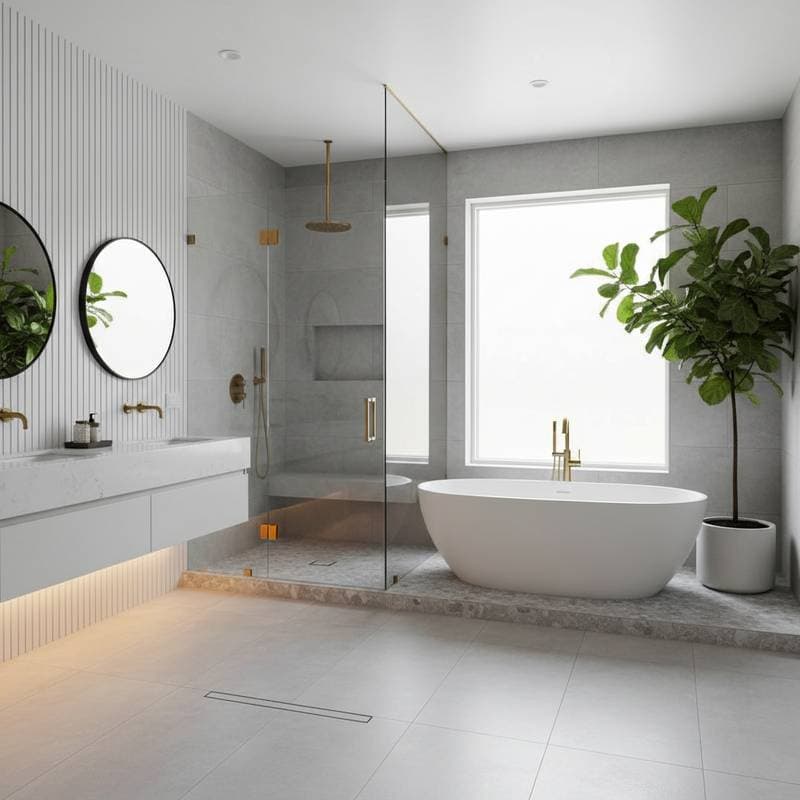
Understanding Wet Rooms and Their Appeal
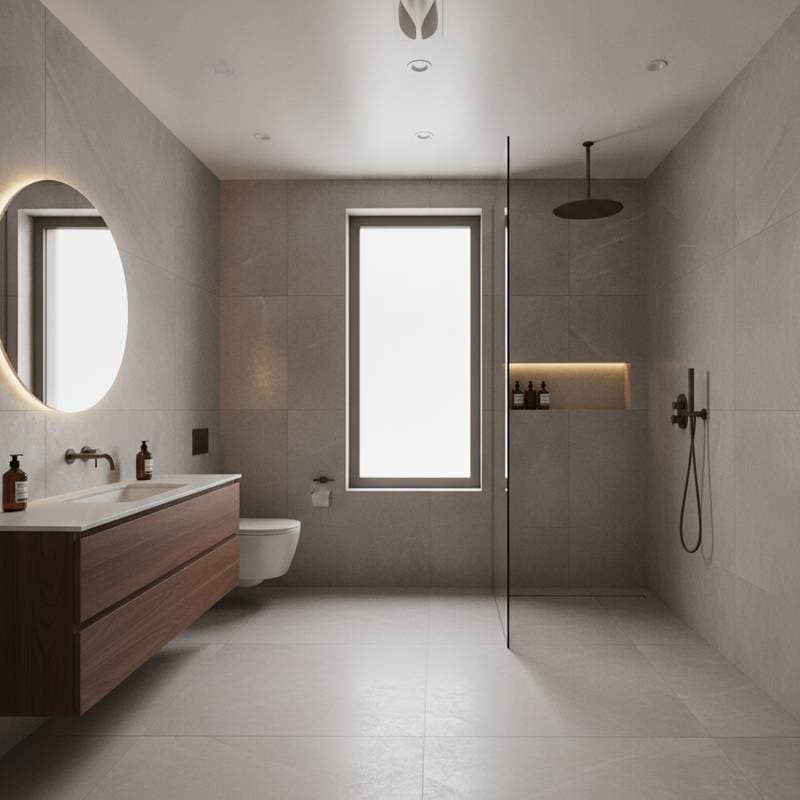
Wet rooms represent an innovative approach to bathroom design, featuring fully waterproofed spaces where the shower integrates seamlessly with the floor level. This eliminates the need for bathtubs or elevated shower trays, creating an open and fluid environment. Homeowners increasingly select wet rooms for their enhanced accessibility, simplified cleaning routines, and contemporary aesthetic, particularly in compact spaces, aging-in-place modifications, or comprehensive remodels aimed at maximizing property resale potential.
Advantages and Drawbacks
Advantages
- Enhances property resale value and broadens market attractiveness to potential buyers
- Simplifies cleaning efforts due to minimized seams, edges, and junctions
- Promotes greater accessibility and reduces safety hazards for users
- Expands the perceived size of smaller bathrooms through uninterrupted flooring
- Offers extensive flexibility in layout configurations and material selections
Drawbacks
- Demands meticulous waterproofing techniques and efficient drainage systems
- Involves higher expenses compared to basic bathtub replacements
- Poses risks of moisture-related problems if sealing proves inadequate
- Often necessitates professional expertise and adherence to permitting regulations
- Results in cooler floor surfaces unless supplementary heating elements are incorporated
DIY Installation Versus Professional Services
Constructing a wet room involves intricate work in plumbing, tiling, and waterproofing, making it unsuitable for novice attempts. Individuals with advanced remodeling experience may undertake DIY projects, but such endeavors carry significant challenges.
Project Difficulty: High
Estimated Timeline: Three to seven days when handled by professionals
Required Tools: Tile cutting saw, waterproofing membrane materials, specialized drain assemblies, precision leveling tools, and mixing equipment
Potential Risks: Substantial, including water leaks or mold growth if drainage slopes or seals fail
Opt for professional assistance in scenarios such as:
- Relocating or modifying existing plumbing lines
- Integrating underfloor heating systems
- Mounting fixtures directly to walls
- Addressing structural elements in homes with multiple levels or subflooring
Although professional services incur greater initial costs, they safeguard against costly future repairs from water damage.
Ongoing Maintenance and Expected Durability
Maintain tile surfaces and grout lines through weekly cleaning with a gentle, non-abrasive solution. Inspect sealant applications biannually for signs of wear. Reapply grout sealant every two to three years to preserve integrity. Regularly clear drains to avoid water accumulation and related issues.
A properly constructed wet room endures for 20 years or longer under diligent maintenance. Numerous waterproofing solutions include 10-year warranties; review specific warranty conditions prior to acquisition to ensure comprehensive coverage.
Comparable Bathroom Options
Tub-Shower Combination Units
These provide a more economical installation suitable for family-oriented households, yet they offer limited accessibility and a dated appearance compared to wet rooms.
Curbless Shower Enclosures
These mimic wet room aesthetics using pre-manufactured bases, facilitating simpler assembly and reduced expenses while maintaining a barrier-free entry.
Steam Showers
These deliver a luxurious spa-like experience but introduce elevated humidity levels and more demanding upkeep requirements.
Enclosed Showers with Glass Panels
This serves as a budget-friendly alternative that achieves a refined look, though it lacks the expansive openness and adaptability of wet rooms.
Regional Considerations for Installation
Local climate influences aspects such as drying periods and humidity management. In areas with high humidity, incorporate a robust exhaust fan to promote air circulation. Colder regions benefit from underfloor heating to ensure user comfort on tiled surfaces.
Municipal building codes differ significantly; certain jurisdictions mandate plumbing permits for drain adjustments or waterproofing evaluations prior to tiling commencement. Consult local authorities early to confirm compliance and avoid delays.
Regional variations in labor expenses are common, with urban centers commanding premium rates and rural locations offering more affordable options. Factors like tile sourcing and contractor availability further impact overall project costs.
Return on Investment and Market Impact
Completing a wet room renovation can elevate a home's total value by as much as 11 percent, drawing from nationwide trends in interior design preferences. Prospective buyers view such upgrades as desirable enhancements, particularly in markets prioritizing accessibility and stylistic innovation.
Properties featuring refreshed bathrooms attract quicker sales in saturated real estate environments. The highest returns materialize when wet rooms supplant obsolete bathtubs in compact or medium-sized bathrooms, aligning with buyer demands for functionality and modernity.
Essential Safety Measures
The primary concern remains waterproofing integrity; select membrane systems certified to ANSI A118.10 standards for reliable performance. Ensure the floor pitch achieves a minimum of one-quarter inch per linear foot directing toward the drain to facilitate proper runoff.
For electrical precautions, position outlets and controls beyond the splash zone. Equip all bathroom circuits with ground-fault circuit interrupter (GFCI) devices. When installing floor heating, confirm compliance with Underwriters Laboratories (UL) guidelines for damp locations.
Prioritize non-slip flooring by choosing tiles with a dynamic coefficient of friction (DCOF) rating of 0.42 or above. Incorporate support grab bars in areas frequented by elderly residents or those with mobility challenges to enhance stability.
Steps to Implement Your Wet Room Project
Converting a bathtub area into a wet room requires thoughtful preparation to yield lasting comfort and financial benefits. Early decisions regarding the extent of waterproofing and tiling responsibilities streamline the process. Obtain quotes from no fewer than three qualified contractors, confirming their proficiency in barrier-free installations, and scrutinize warranties alongside regulatory obligations prior to commitment.
Ultimately, a meticulously executed wet room redefines an outdated bathroom into an expansive, user-friendly haven that resonates with modern tastes. Verify permit stipulations and material certifications to proceed assuredly, securing enduring value from your investment.