Hidden Pantries: The Quiet Upgrade Raising Home Offers
Homes equipped with a hidden pantry typically draw offers 5 to 10 percent higher than comparable properties without one, based on the pantry's dimensions and quality of finishes.
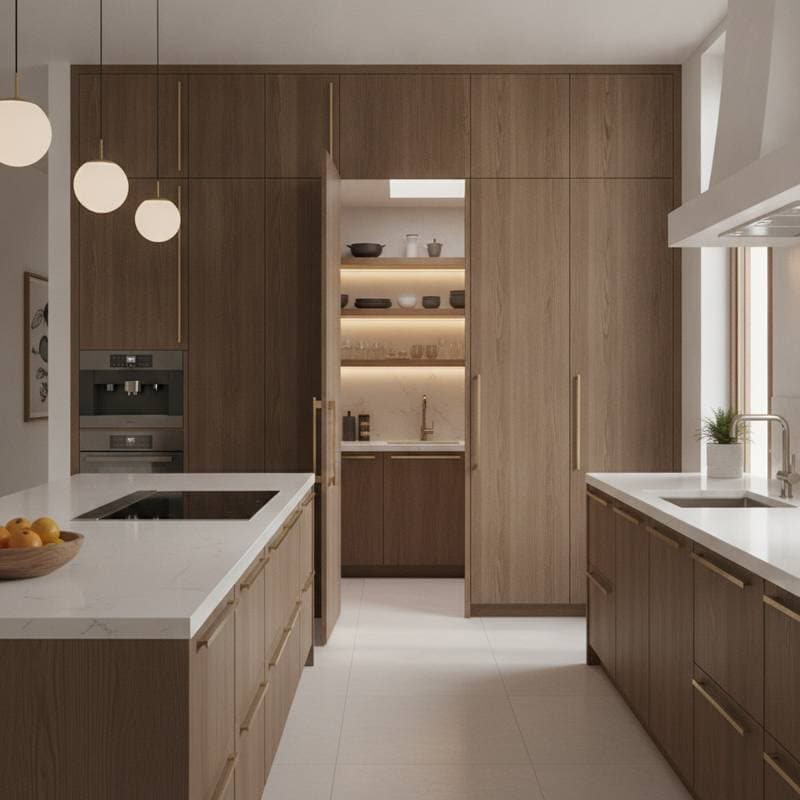
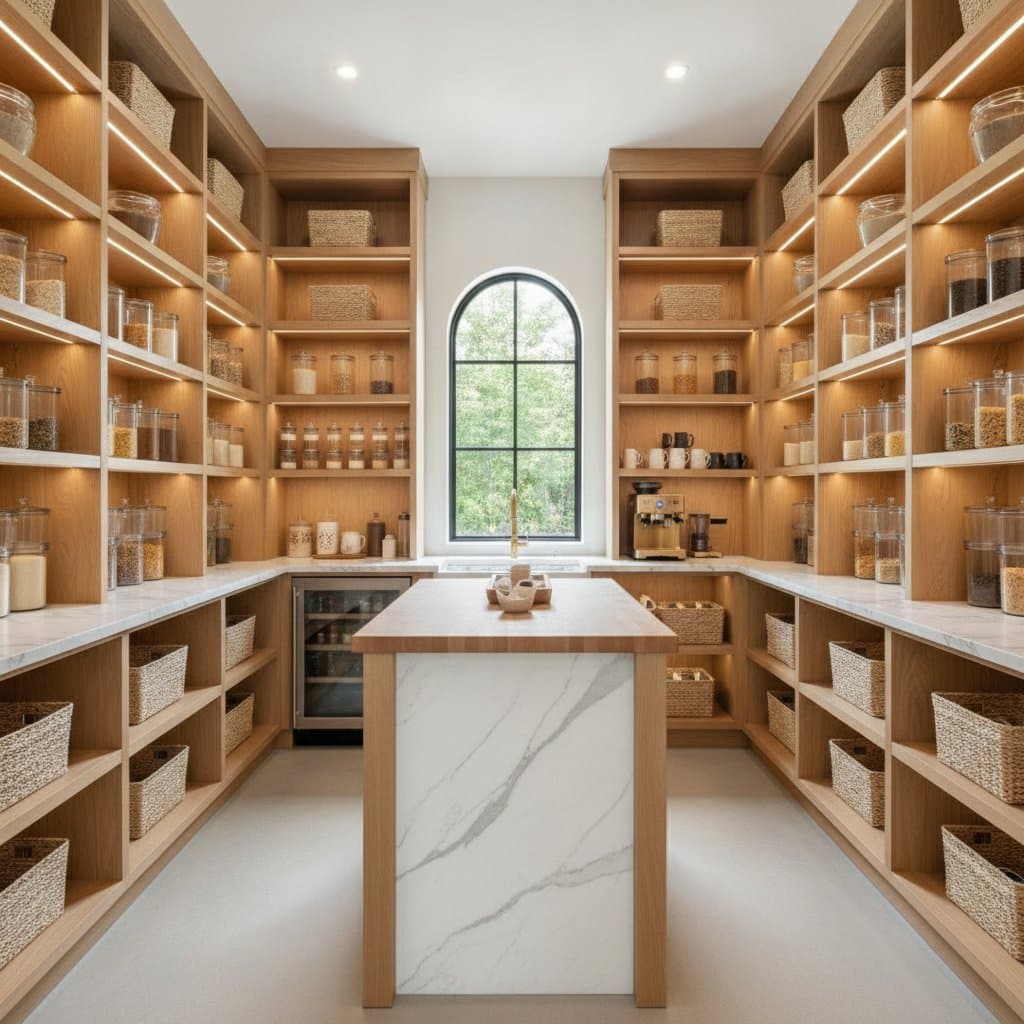
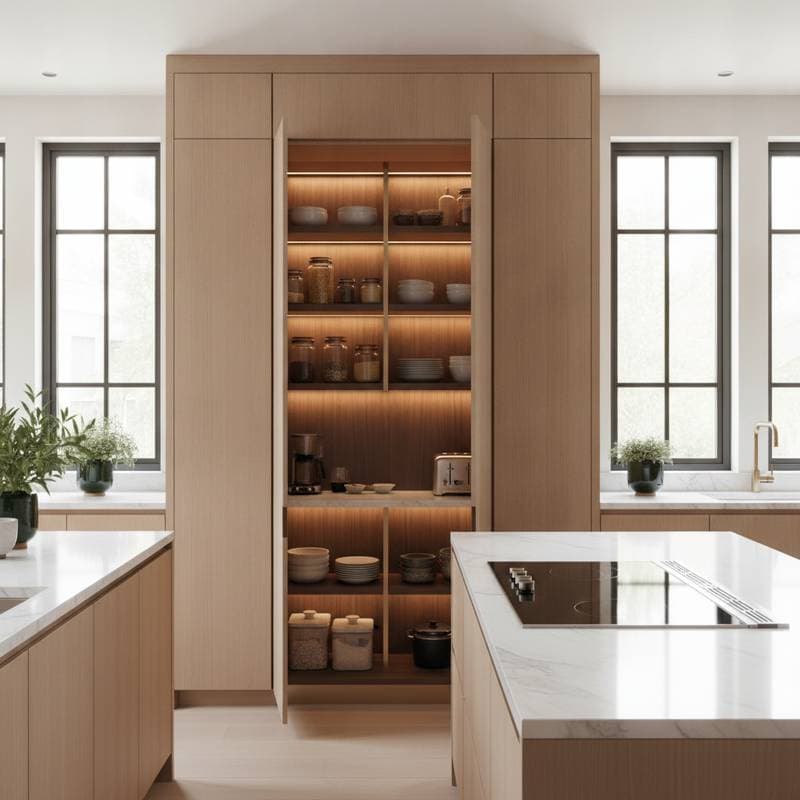
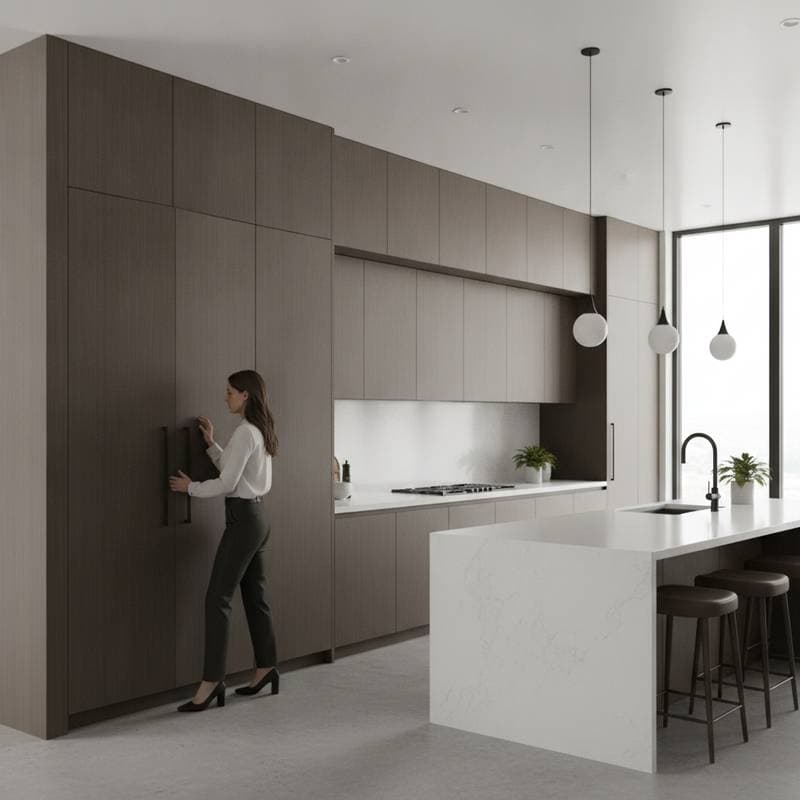
Homebuyers increasingly seek kitchens that maintain a clutter-free appearance. A hidden pantry, sometimes referred to as a butler's pantry or prep kitchen, achieves this by tucking away storage behind seamless doors. This addition enhances everyday usability and contributes to a more tranquil kitchen environment, thereby increasing overall property value.
Cost Factors
The expense of installing a hidden pantry fluctuates considerably, influenced by the project's scope, selected materials, and the kitchen's current setup.
Space and Layout
- Repurposing an existing closet or alcove generally costs between $3,000 and $6,000.
- Constructing new walls or incorporating plumbing extensions can elevate expenses to $18,000 or higher.
- Walk-in configurations featuring dual work areas frequently surpass $25,000.
Cabinetry and Shelving
- Basic stock cabinets range from $100 to $250 per linear foot.
- Semi-custom options fall between $300 and $600 per linear foot.
- Fully custom designs start at $800 per linear foot.
Doors and Panels
- A door that integrates flush with the wall or camouflages effectively costs $1,200 to $3,000, including installation.
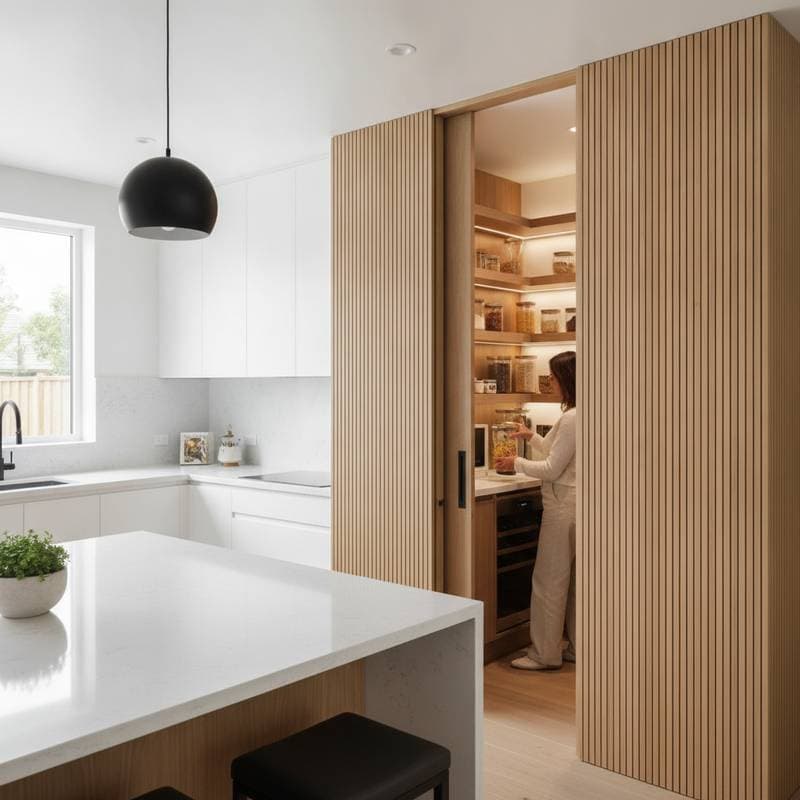
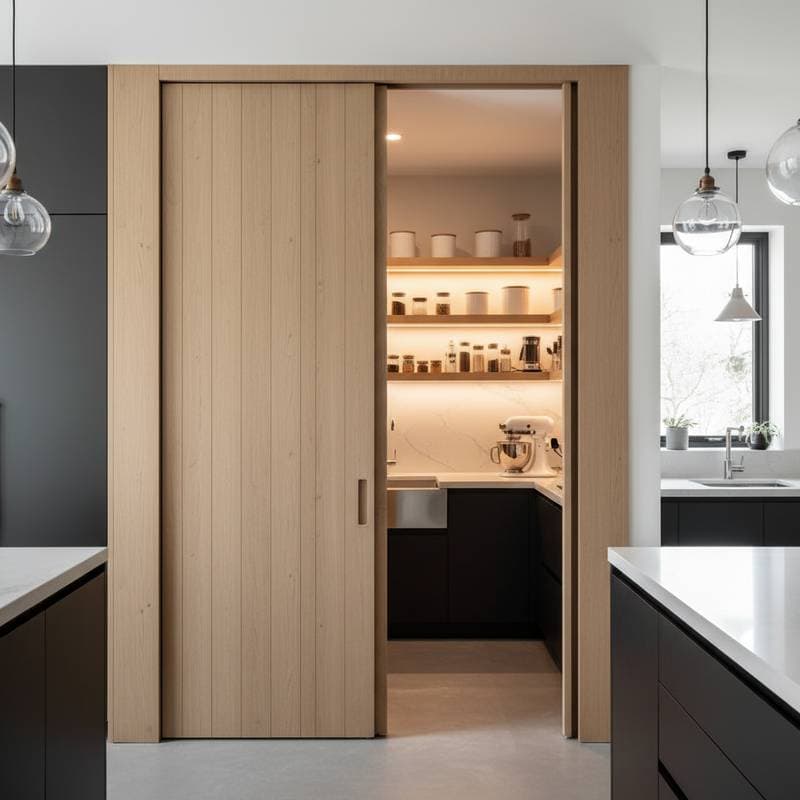
- Opt for sliding or pocket doors to conserve space, though they introduce additional hardware expenses.
Lighting and Ventilation
- Recessed LED lights total $200 to $400.
- A compact exhaust fan or ventilation system runs $500 to $1,200.
- Inadequate airflow can lead to moisture problems, particularly in areas adjacent to sinks.
Labor and Permits
- Expert carpentry and finishing labor averages $70 to $150 per hour.
- Modifications involving electrical or plumbing work often necessitate permits, costing $300 to $800 extra.
Allocate 10 to 15 percent of the budget as a contingency, especially in older homes where unforeseen structural or electrical challenges may arise.
DIY Versus Professional Installation
While a hidden pantry may appear straightforward, it demands precise integration of multiple elements.
Suitable DIY Tasks
- Mounting open shelving or prefabricated storage systems.
- Applying paint, caulk, and trim details.
- Incorporating plug-in LED strip lighting.
When to Engage Professionals
- Situations requiring wall relocation or reframing.
- Extensions to plumbing or electrical systems.
- Custom cabinetry matching for the pantry door.
Undertaking DIY efforts can reduce labor costs by 30 to 40 percent, yet it heightens the chances of imperfect results and regulatory infractions. Consult a professional if you encounter wall seam cracks, ambiguous wiring paths, or unstable door frames.
Project Timelines and Cost-Saving Strategies
Hidden pantries deliver significant value, yet strategic planning optimizes both expenses and disruptions.
Lead Times
- Custom cabinet fabrication typically requires 4 to 6 weeks.
- Specialized hinges and hidden door mechanisms may extend the schedule by 1 to 2 weeks.
- Overall, anticipate 3 to 8 weeks from start to completion, encompassing inspections and final touches.
Timing Strategies
- Initiate planning during off-peak construction periods to negotiate lower labor fees.
- Procure hardware and lighting fixtures in advance to sidestep supply delays.
- Steer clear of high-demand renovation seasons, when contractors apply surcharge rates.
Ways to Reduce Costs
- Select modular shelving over bespoke cabinetry to cut $2,000 to $5,000.
- Employ standard door dimensions and camouflage with matching paint instead of custom panels.
- Retain existing flooring materials if they align with the pantry extension.
Reserve an additional 10 percent of the budget for unforeseen adjustments to appliances or finishes.
Safety Considerations and Code Compliance
Given their proximity to high-traffic kitchen areas, hidden pantries require attention to safety features and proper airflow.
Essential Safety Measures
- Don gloves, safety goggles, and a dust mask for demolition or painting activities.
- Disconnect power and water supplies prior to any wall or plumbing alterations.
- Verify that lighting circuits include grounding and GFCI protection, especially near water sources.
Permit and Building Code Requirements
- Electrical or plumbing modifications almost always demand permits.
- Load-bearing walls prohibit removal without engineering assessment.
- Certain locales mandate certification from licensed electricians or plumbers prior to final inspections.
Neglecting these protocols can result in costly penalties or inspection rejections down the line.
Upkeep and Warranty Management
To preserve the efficiency and cleanliness of a hidden pantry, regular maintenance proves essential.
Daily and Periodic Maintenance
- Clean shelves and inspect seals bimonthly.
- Ensure vent fans remain free of accumulated dust.
- Swap out LED bulbs promptly to maintain consistent illumination.
Addressing Potential Issues
- Hinge loosening can cause door misalignment; adjust biannually.
- Proximity to sinks may foster moisture that warps cabinet surfaces; install a vent or dehumidifier as needed.
- Interior door paint prone to scuffing benefits from satin or durable finishes.
Tips for Longevity
- Prefer plywood construction for cabinet interiors over particleboard to combat humidity.
- Install soft-close mechanisms to minimize hardware stress.
- File warranties for cabinets and lighting within the initial month post-installation.
The Appeal of Hidden Pantries to Buyers
Open-concept kitchens dominate modern designs, yet they offer scant space for disarray. Buyers desire unobstructed views alongside ample storage for appliances and pantry staples. Hidden pantries address these needs without altering the home's overall dimensions.
Aura of Sophistication
- A door seamlessly blended into wall paneling evokes bespoke craftsmanship, aligning with minimalist trends that prioritize hidden utility.
Practical Benefits
- Serve as an auxiliary preparation area where small appliances stay connected and accessible.
- During entertaining, contain dishes and spills away from primary sightlines.
Advantages in Resale
- Real estate professionals note that properties with thoughtfully designed hidden pantries yield superior listing photos and more competitive bids.
- This element underscores intentional planning and sustained practicality.
Optimized Space Utilization
- Compact homes benefit from converting corners or pass-throughs, yielding 20 to 40 cubic feet of added storage without external modifications.
Steps to Implement a Hidden Pantry
- Assess and Diagram the Space
- Confirm at least 30 inches of depth to accommodate functional shelving.
- Diagram clearances for door swings or sliding mechanisms.
- Define the Pantry's Purpose
- Determine if it will focus solely on storage or include prep capabilities with electrical and water access.
- Such enhancements typically raise costs by 15 to 25 percent.
- Incorporate Electrical Elements Upfront
- Position outlets at countertop level for appliance convenience.
- Select enclosed-space-rated LED lights with neutral tones for optimal visibility.
- Choose Inconspicuous Finishes
- Align door panel hues with surrounding walls for invisibility.
- Apply matte paints to minimize reflections and conceal smudges.
- Coordinate the Schedule Effectively
- Secure materials ahead of any demolition phase.
- Ensure all hardware arrives before cabinet assembly commences.
Advancing Your Kitchen Project
Consider a hidden pantry if your kitchen suffers from overcrowding or visual chaos; it enhances livability and marketability alike. Begin by evaluating potential spaces within existing walls or closets.
Reach out to a specialist in concealed cabinetry who understands structural regulations. Request a detailed quote delineating labor, materials, and allowances for contingencies.
Upon approval, prioritize sourcing appliances and lighting to prevent setbacks. Prioritize safety throughout the build, and verify compliance with local standards.
A meticulously constructed hidden pantry operates unobtrusively for years, concealing disorder, safeguarding kitchen serenity, and providing buyers with a compelling incentive for a higher offer.