The Rise of Hidden Pantries in 2025 Kitchen Design
Average home value increase: approximately 6% from installing a hidden pantry.
A hidden pantry combines elegant aesthetics with substantial storage capacity. This feature conceals everyday clutter, enhances kitchen efficiency, and provides the refined appearance that contemporary buyers demand. Careful project planning yields significant returns while keeping expenses manageable.
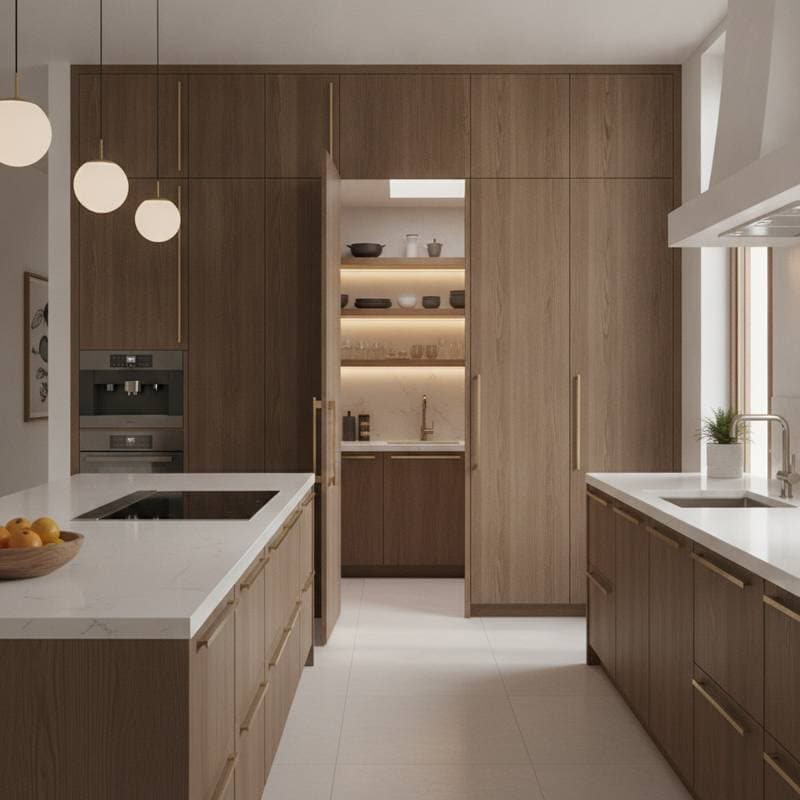
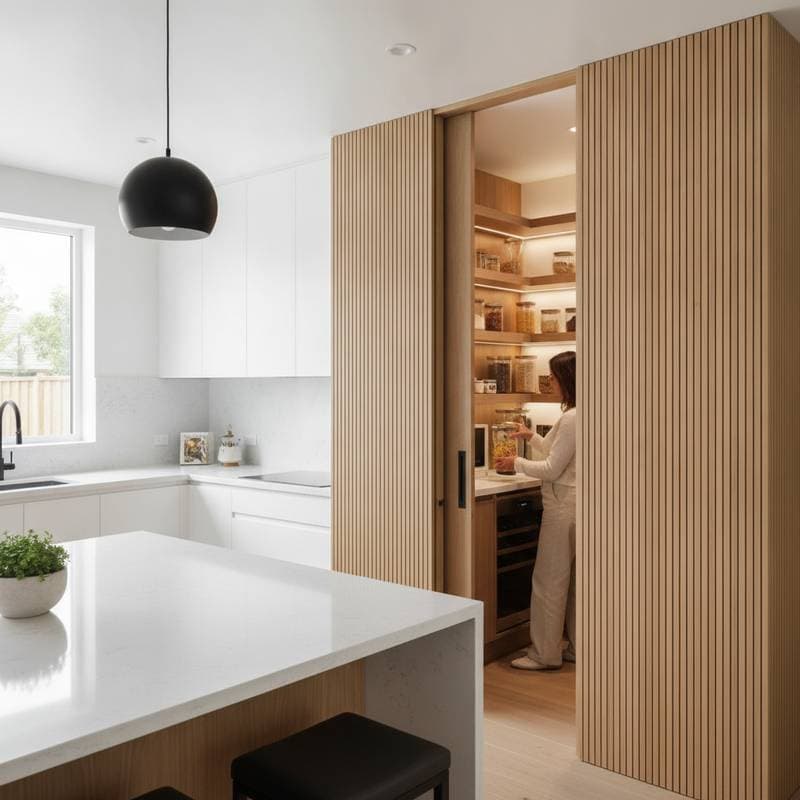
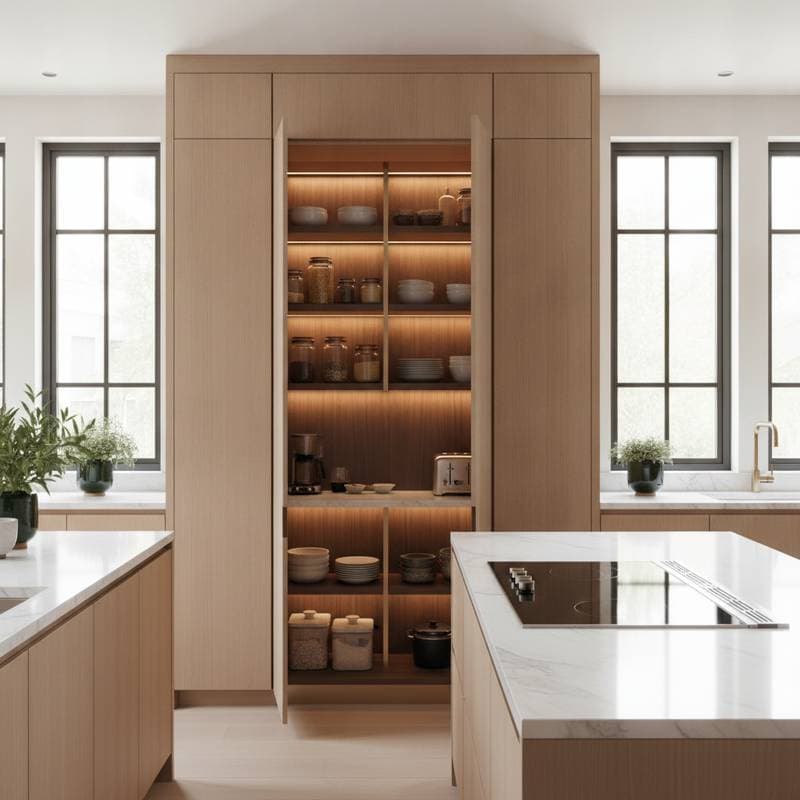
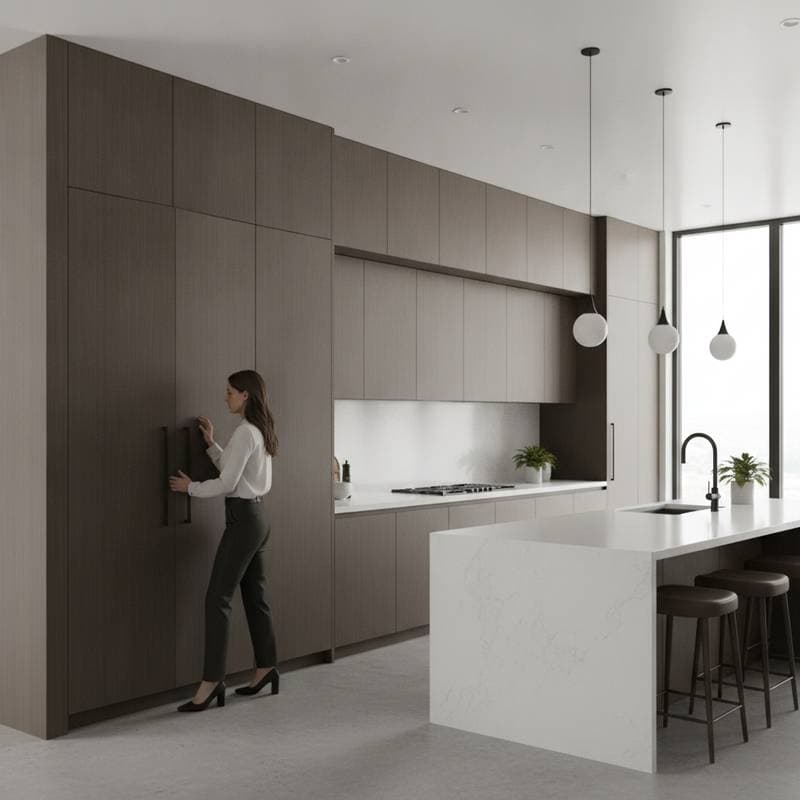
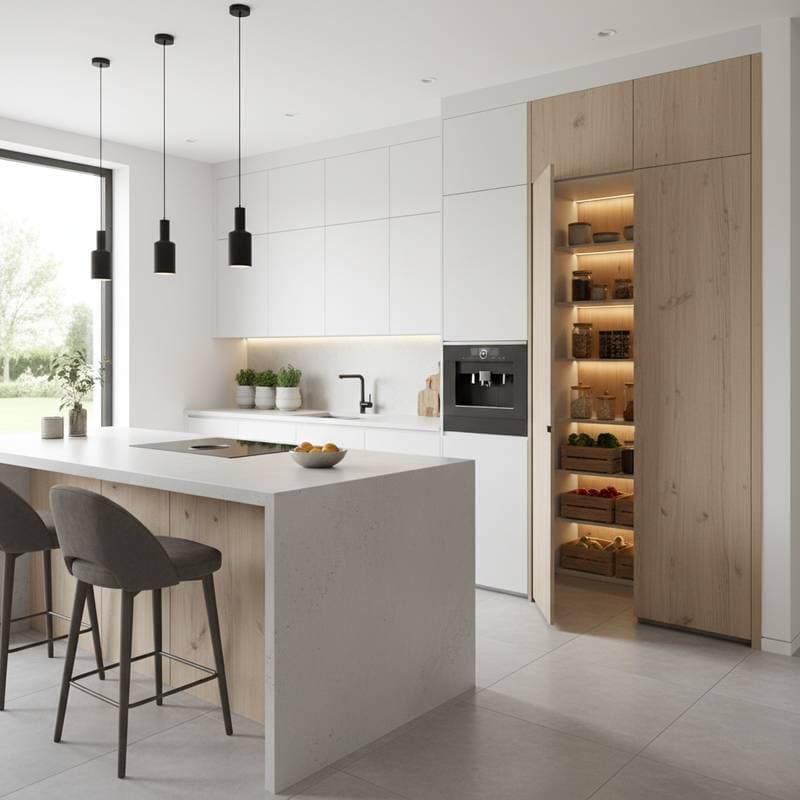
Homeowners appreciate how hidden pantries maintain a minimalist kitchen profile. These spaces tuck away appliances, dry goods, and utensils behind seamless cabinet fronts or disguised doors. The result supports daily routines and elevates the overall property appeal during resale.
Key Cost Considerations
Costs for hidden pantries fluctuate based on several elements, including structural modifications, material selections, and specialized hardware.
- Materials: Standard cabinetry typically ranges from $150 to $300 per linear foot. Custom options may cost twice as much. Concealed doors featuring flush finishes or pivot mechanisms add $600 to $1,200 to the total.
- Labor: Experienced carpenters bill $75 to $150 per hour. Rates tend to rise in urban areas with high demand.
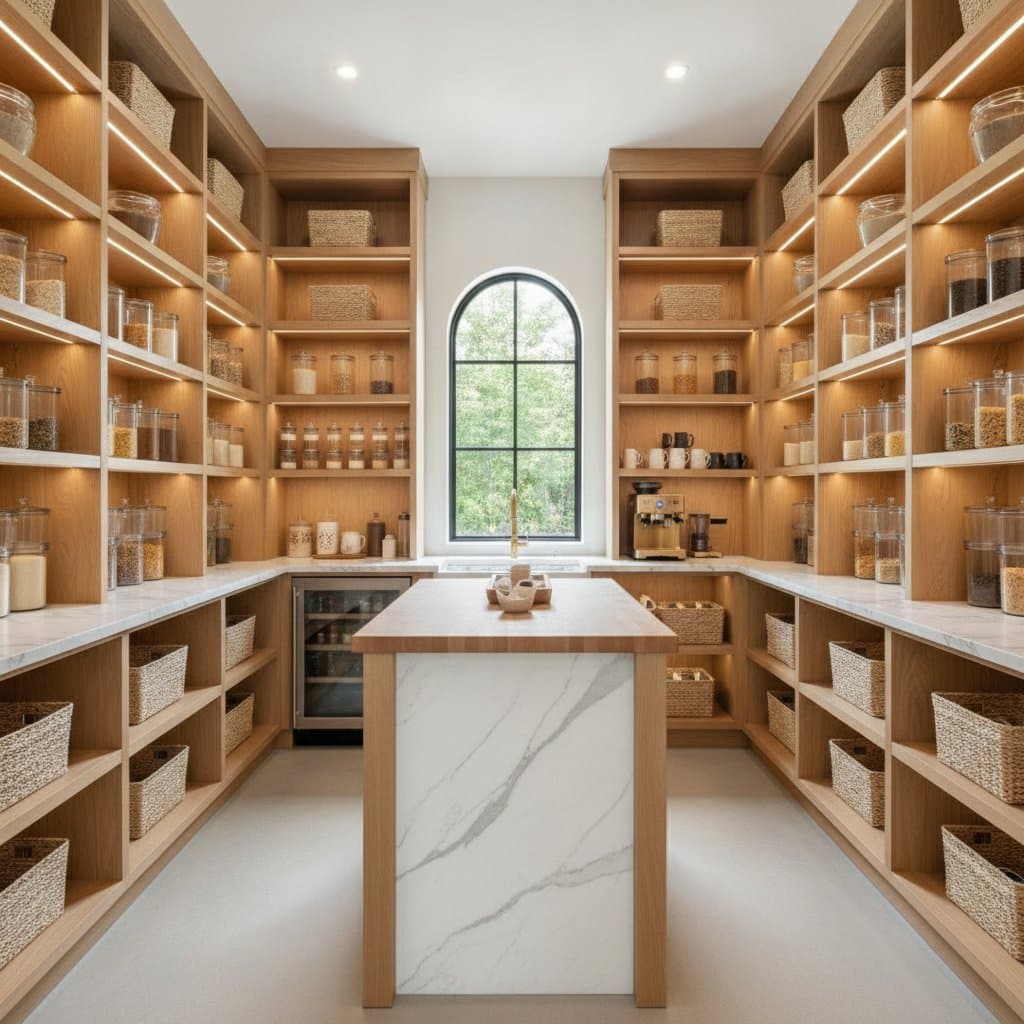
- Dimensions: A compact 5-by-6-foot pantry incurs lower expenses compared to a spacious walk-in equipped with integrated shelving and illumination.
- Accessibility Challenges: Existing plumbing, ventilation ducts, or electrical lines within kitchen walls may necessitate demolition and relocation, adding $1,000 to $3,000.
- Permitting Requirements: Basic retrofits frequently avoid comprehensive permits. However, alterations to electrical systems or airflow often demand local inspections.
- Enhancements and Finishes: Features such as soft-closing mechanisms, embedded lighting, and humidity-resistant coatings increase expenses by 10 to 20 percent. These upgrades promote longevity and ease of use.
Budget an additional 10 to 15 percent for contingencies, particularly in older residences prone to unexpected framing issues. Consulting a professional early helps identify potential cost escalations.
Ensuring Safety and Regulatory Adherence
Prioritize safety measures from the outset to avoid hazards and complications.
- Power Management: Disconnect electricity at the main breaker before relocating outlets or installing lights.
- Structural Integrity: Verify whether walls support building loads prior to any cutting or reinforcement.
- Personal Protection: Equip with gloves, respiratory masks, and eye protection during demolition phases.
- Airflow Essentials: Enclosed pantries can accumulate moisture, risking spoilage of provisions and deterioration of surfaces. Incorporate vents or fans as needed.
- Regulatory Obligations: Modifications involving electricity or water lines typically require certified specialists.
Neglecting permits or safety protocols may hinder future sales or invalidate manufacturer guarantees. Engage licensed professionals for complex tasks to ensure compliance.
Project Timing and Cost-Saving Strategies
Anticipate delays from material procurement and installer availability to streamline the process.
- Cabinet Fabrication: Allocate 3 to 6 weeks for production and shipping.
- Specialized Hardware: Hidden door components often demand 2 to 3 weeks for custom orders.
- Optimal Scheduling: Undertake framing during summer months when environmental humidity remains consistent, benefiting painters and installers.
- Incentive Programs: Certain energy-saving lighting options qualify for modest rebates through local utilities.
Integrate the pantry construction during broader kitchen renovations. This approach minimizes redundant labor on wiring and finishing details, preserving both time and budget.
Upkeep and Guarantee Details
Proper care extends the lifespan of a hidden pantry for many years.
- Hardware Inspection: Examine hinges and pivot points biannually to maintain proper function.
- Surface Protection: Refresh interior paint or sealant every few years to combat dampness.
- Lighting Maintenance: Monitor fixtures regularly to prevent overheating in confined areas.
- Air System Oversight: Ensure vents or shared fans remain unobstructed to sustain circulation.
- Coverage Periods: Cabinetry warranties generally span 5 to 10 years, whereas hardware protections last 2 to 5 years.
Wipe shelves using a gentle soap solution and minimize water exposure. Controlling humidity stands as the primary defense against premature wear.
Enhancing Resale Value and Investment Returns
Organized kitchens that conceal disarray rank high on buyer wish lists. Real estate professionals note that properties featuring hidden pantries attract offers more quickly and achieve elevated appraisals. This 6 percent average uplift stems from optimized space utilization and an aura of sophistication.
The investment proves particularly worthwhile in competitive markets. Buyers perceive these additions as markers of thoughtful design, justifying premium pricing. Long-term, the feature supports lifestyle needs while bolstering financial equity.
Practical Steps to Implement Your Hidden Pantry
- Assess Space Availability: Measure potential wall or corner areas. Note positions of electrical outlets, pipes, or ducts that might pose obstacles.
- Establish Financial Parameters: Determine a spending limit. Choose between a simple retrofit or an expansive walk-in design.
- Solicit Estimates: Obtain at least two proposals from qualified carpenters or integrated design firms.
- Procure Components Ahead: Order concealed doors and bespoke panels in advance, accounting for lead times.
- Phase the Construction: Complete framing prior to cabinet installation to avoid alignment problems.
- Verify Installations: Review wiring, ventilation, and access clearances against building codes before enclosing spaces.
- Incorporate Final Details: Select paints, lights, and trim to refine the appearance and functionality.
Implementing a hidden pantry delivers ongoing utility alongside tangible property enhancement. Through meticulous preparation, realistic budgeting, and adherence to safety standards, homeowners create an efficient, attractive kitchen that elevates market desirability.