How Hidden Pantries Add Value
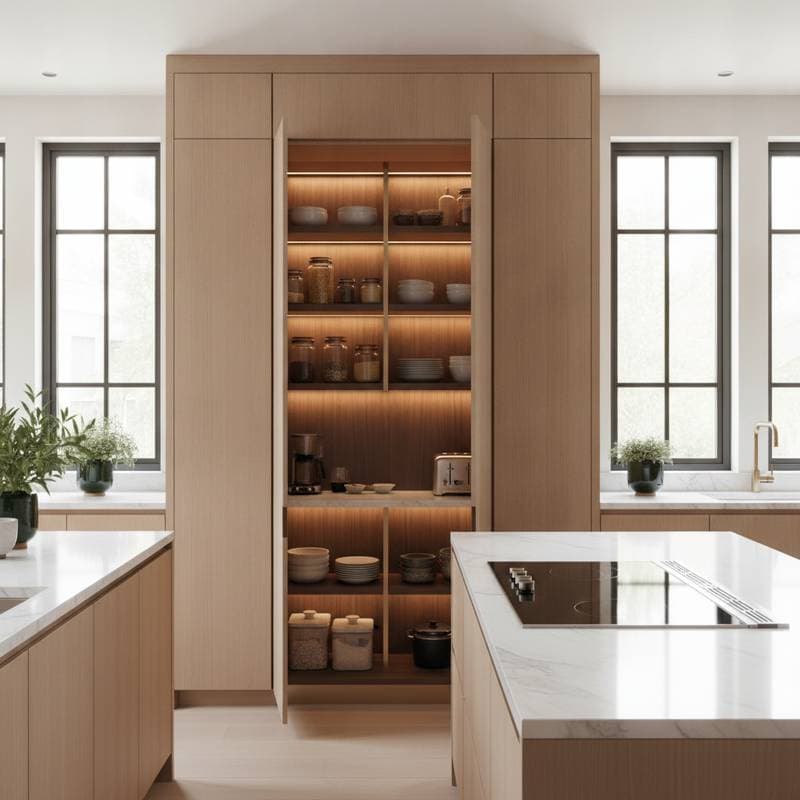
Homebuyers prioritize kitchens that combine functionality with a serene aesthetic. Hidden pantries address this demand by concealing storage while enhancing usability. These features can increase a home's resale value by 5 to 10 percent, according to real estate trends observed in recent years.
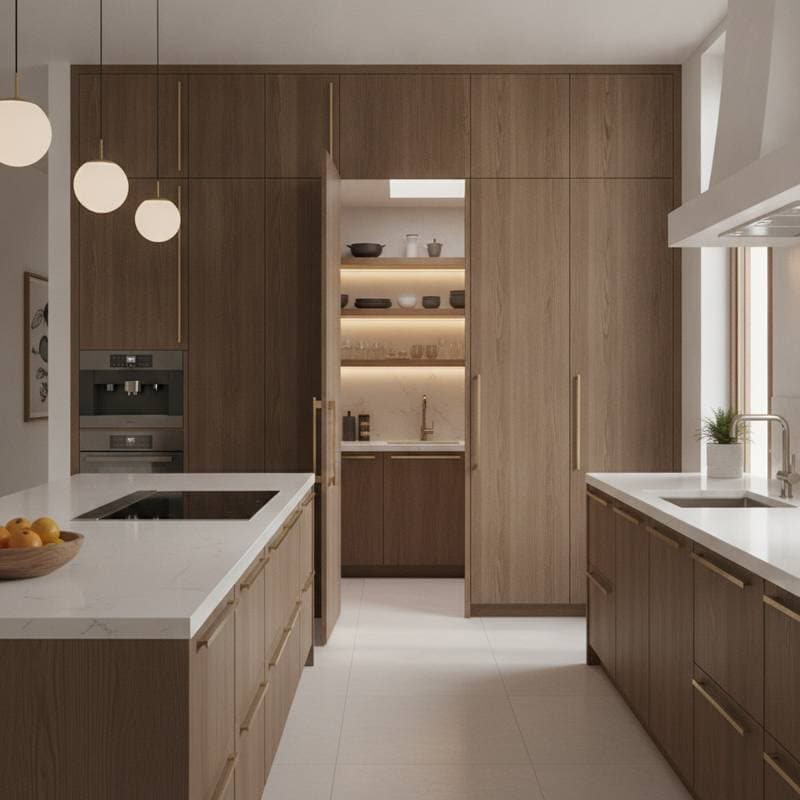
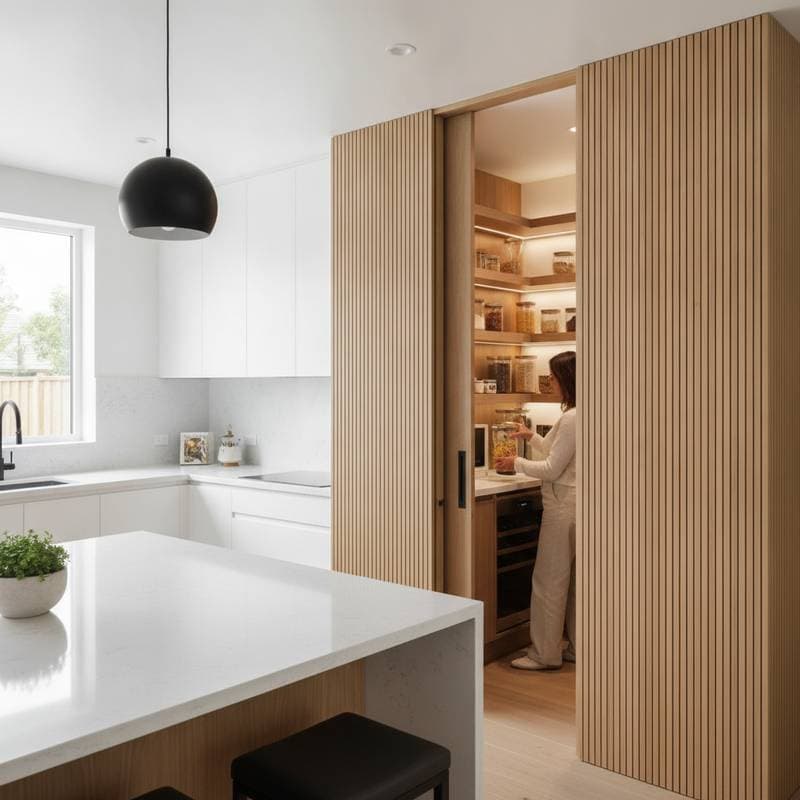
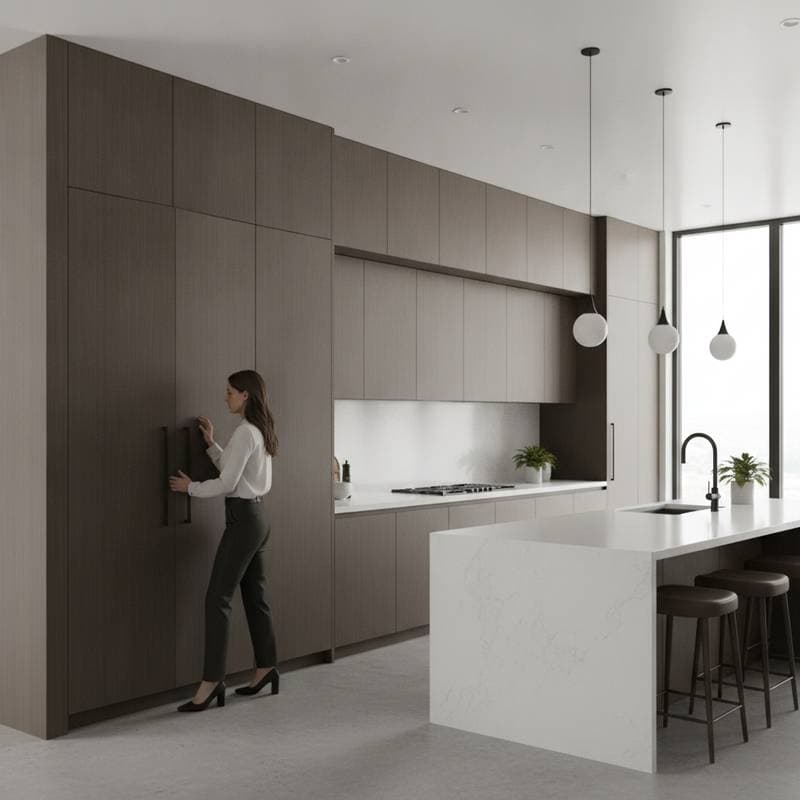
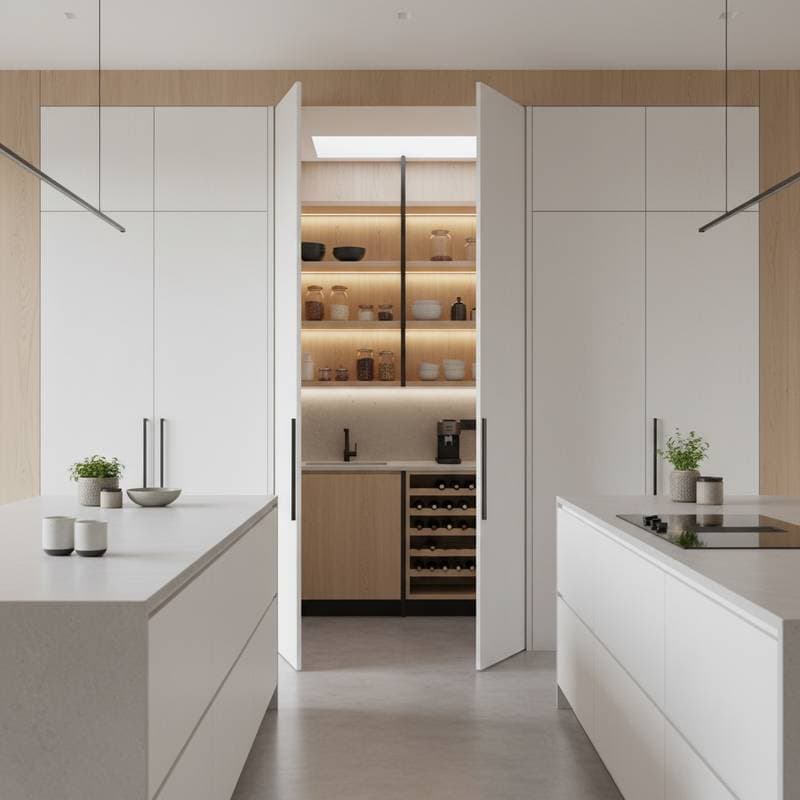
The appeal lies in their ability to eliminate visual clutter. A hidden pantry integrates seamlessly into cabinetry, creating a streamlined look that appeals to modern tastes. Beyond aesthetics, it offers practical benefits such as organized storage for appliances and dry goods, which reduces countertop congestion.
Real estate professionals note that properties with such upgrades receive more interest during showings. The investment signals thoughtful design, positioning the kitchen as a standout selling point. For sellers, this translates to quicker closings and potentially higher offers.
Good, Better, Best Options
Selecting the right level of hidden pantry depends on budget and kitchen size. Each tier builds on the previous, offering progressive enhancements in customization and features.
| Level | Description | Price Range | Key Upgrade |
|---|---|---|---|
| Good | Stock cabinets modified with hidden hinge doors for basic concealment | $6,000 to $10,000 | Prefinished shelving and plug-in LED strips for illumination |
| Better | Semi-custom cabinetry including pull-out drawers and adjustable shelves | $10,000 to $18,000 | Soft-close mechanisms and motion-activated lighting |
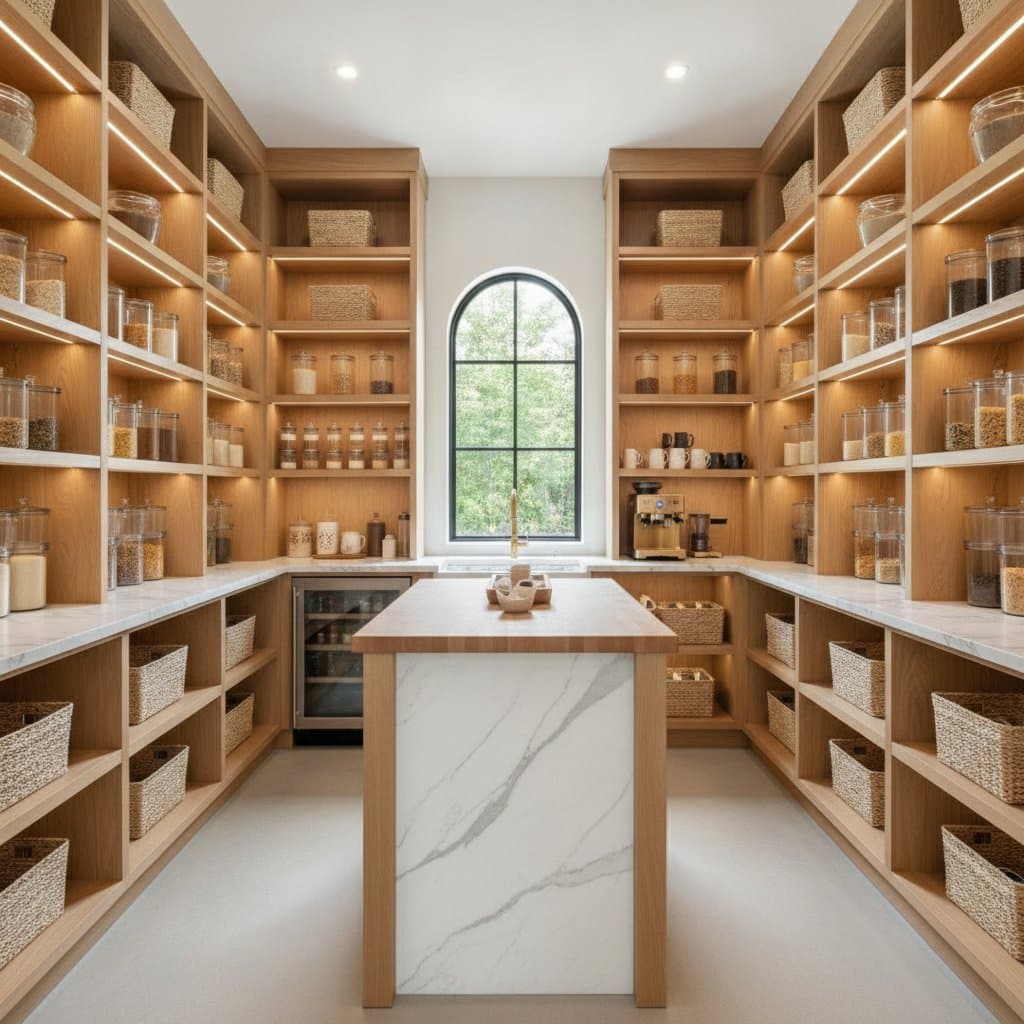
| Best | Fully custom walk-in space with integrated prep sink or beverage fridge | $18,000 to $25,000+ | Bespoke trim work, dedicated ventilation, and durable stone surfaces |
Focus on adjustable shelving regardless of level. This element accommodates evolving needs, such as storing bulk items or seasonal decor, and avoids the expense of future modifications.
DIY vs Professional Installation
Homeowners with skills can tackle certain aspects of a hidden pantry project. However, complexity often necessitates expert involvement to achieve a flawless result.
Tasks Suitable for DIY
- Constructing basic framing, provided prior carpentry knowledge exists.
- Applying paint, assembling shelves, and installing trim.
- Setting up LED strip lighting connected to standard plug-in sources.
Tasks Requiring Professionals
- Precise cabinet alignment: Even slight misalignments compromise the concealed appearance. Skilled cabinet makers or finish carpenters ensure perfection.
- Electrical and HVAC modifications: Building codes mandate licensed professionals for wiring, outlet relocation, or ventilation extensions.
- Moisture management: Professionals install vapor barriers or small vents to combat humidity, preventing material warping in damp environments.
Engage a professional if seamless cabinet integration is essential, electrical changes are involved, or appliances like a sink or refrigerator will be added. While DIY approaches reduce labor costs by 20 to 30 percent, errors in alignment or moisture control may halve the feature's durability.
Timing and Budget Considerations
Project timelines hinge on material availability, particularly custom cabinets. Expect 4 to 8 weeks from initial design to final installation. Delays arise from supply chain issues affecting hinges or door panels.
Strategies for Efficiency
- Order components ahead of time, especially during busy remodeling periods like spring and summer.
- Integrate the pantry into broader kitchen updates, such as cabinet refacing or new countertops, to minimize redundant labor.
- Schedule work during off-peak seasons when contractors offer discounted rates.
- Explore energy incentives for incorporating efficient LED systems or appliances within the pantry.
Allocate an additional 10 to 15 percent of the budget for unforeseen issues, common in older homes with atypical framing or wiring. Thorough planning mitigates these risks and preserves savings.
Market Trends for 2025
In 2025, hidden pantries emerge as a top trend in kitchen remodeling, driven by the rise of minimalist and multifunctional designs. Homeowners increasingly seek spaces that hide everyday essentials, aligning with the demand for clutter-free environments. This shift reflects broader preferences for wellness-oriented homes where calm aesthetics support daily routines.
Surveys from design firms indicate that over 60 percent of prospective buyers view concealed storage as a must-have. The feature pairs well with open-concept layouts, enhancing flow without sacrificing utility. As urban living intensifies, compact hidden solutions gain traction in smaller kitchens, offering big impact through smart space utilization.
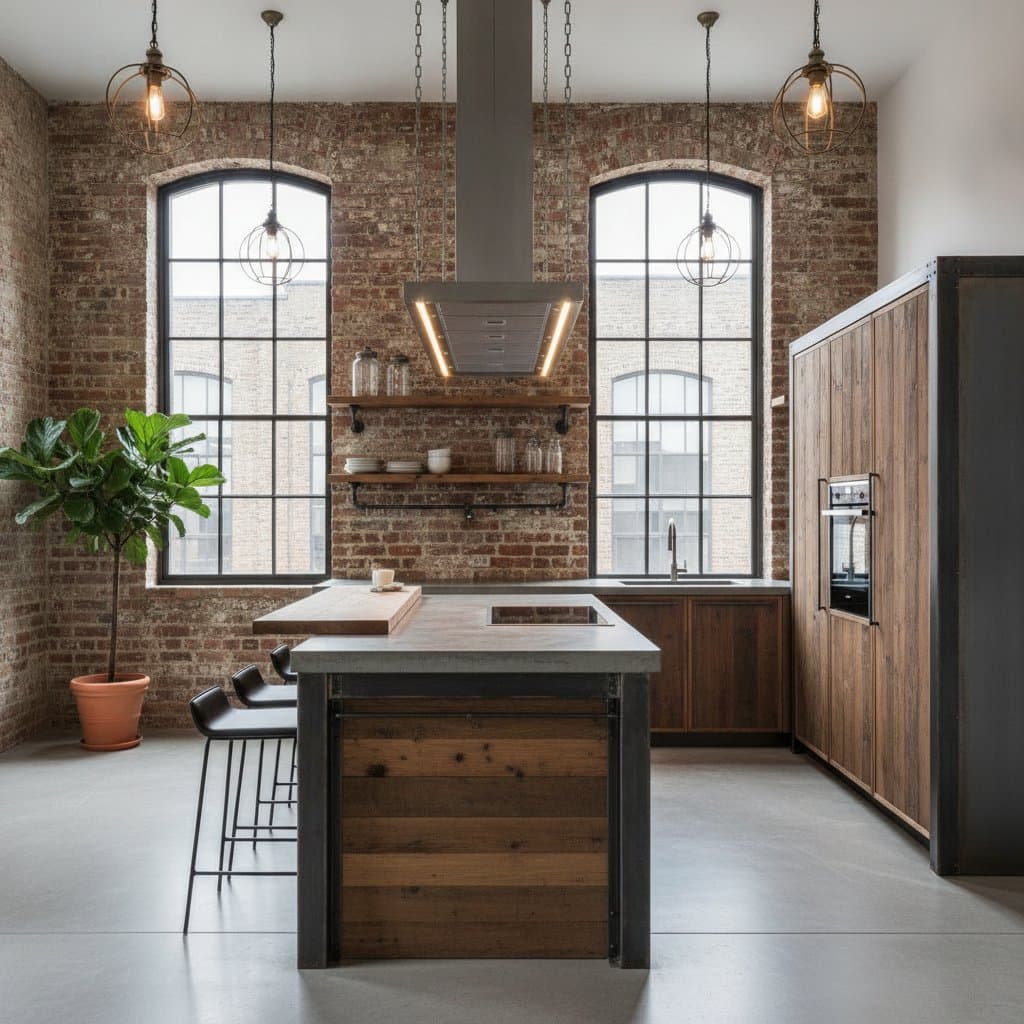
Sustainability plays a role too. Many 2025 installations incorporate eco-friendly materials like reclaimed wood or low-VOC finishes. This not only boosts resale appeal but also appeals to environmentally conscious buyers, further elevating perceived value.
Steps to Implement Your Hidden Pantry
Transforming your kitchen starts with informed decisions. Follow these steps to navigate the process effectively.
- Obtain quotes from at least three contractors. Evaluate not only pricing but also delivery timelines and material choices.
- Request physical samples of door fronts and lighting to visualize the final integration.
- Address electrical needs during the planning phase. Retrofitting outlets post-construction increases expenses significantly.
- Verify warranty details for cabinets and hardware, ensuring comprehensive written coverage.
- Time demolition to coincide with material arrival, preventing idle periods on site.
Maximize Your Kitchen's Potential
A hidden pantry delivers enduring benefits, from elevated resale value to enhanced daily living. It streamlines meal preparation and entertains guests with an impeccable presentation. Invest in this upgrade to create a kitchen that serves your lifestyle while appealing to future owners.