Heat Pumps: Cost, Value, and Installation Decisions
A heat pump installation typically costs about $12,000, with a common range of $7,000 to $20,000 before incentives. It can improve comfort and lower energy use, but home value depends on local buyer demand, system condition, and whether the equipment suits the house.
Project Snapshot
Typical installed cost: $12,000
Usual range: $7,000 to $20,000, before incentives
Timeline: 1 to 3 days for installation, with 2 to 8 weeks for planning and equipment lead time
Expected lifespan: About 12 to 20 years, depending on equipment, use, and maintenance
Best season: Spring or fall, when demand may be lower
DIY friendly: No. Hire a qualified heating and cooling contractor
Before work starts, clear the outdoor unit area and locate your electrical panel, existing equipment, and thermostat. Do not open refrigerant lines or work on high voltage wiring. Turn off equipment at the thermostat if you are checking filters or documenting the setup. A licensed professional should handle refrigerant, electrical connections, and any required gas work.
What a Heat Pump Can Add to Your Home
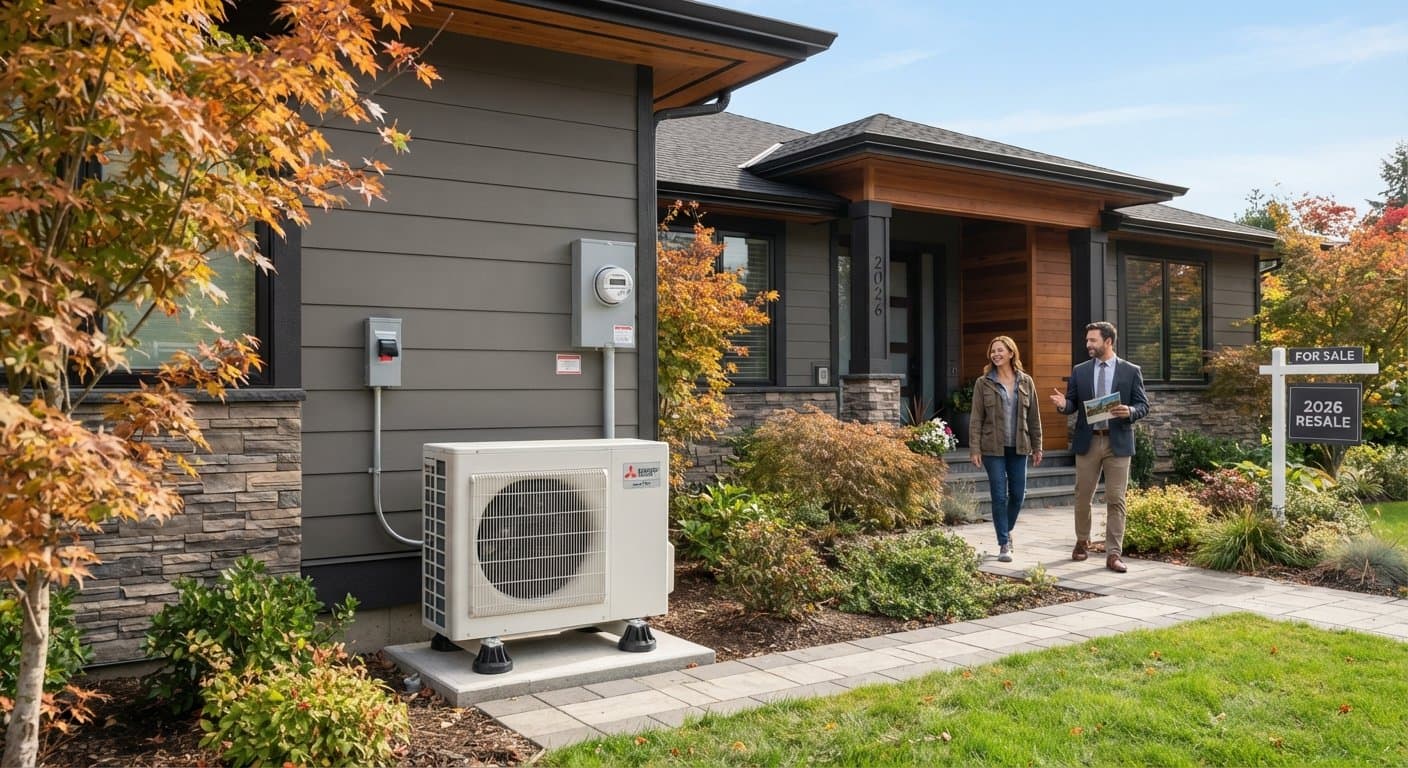
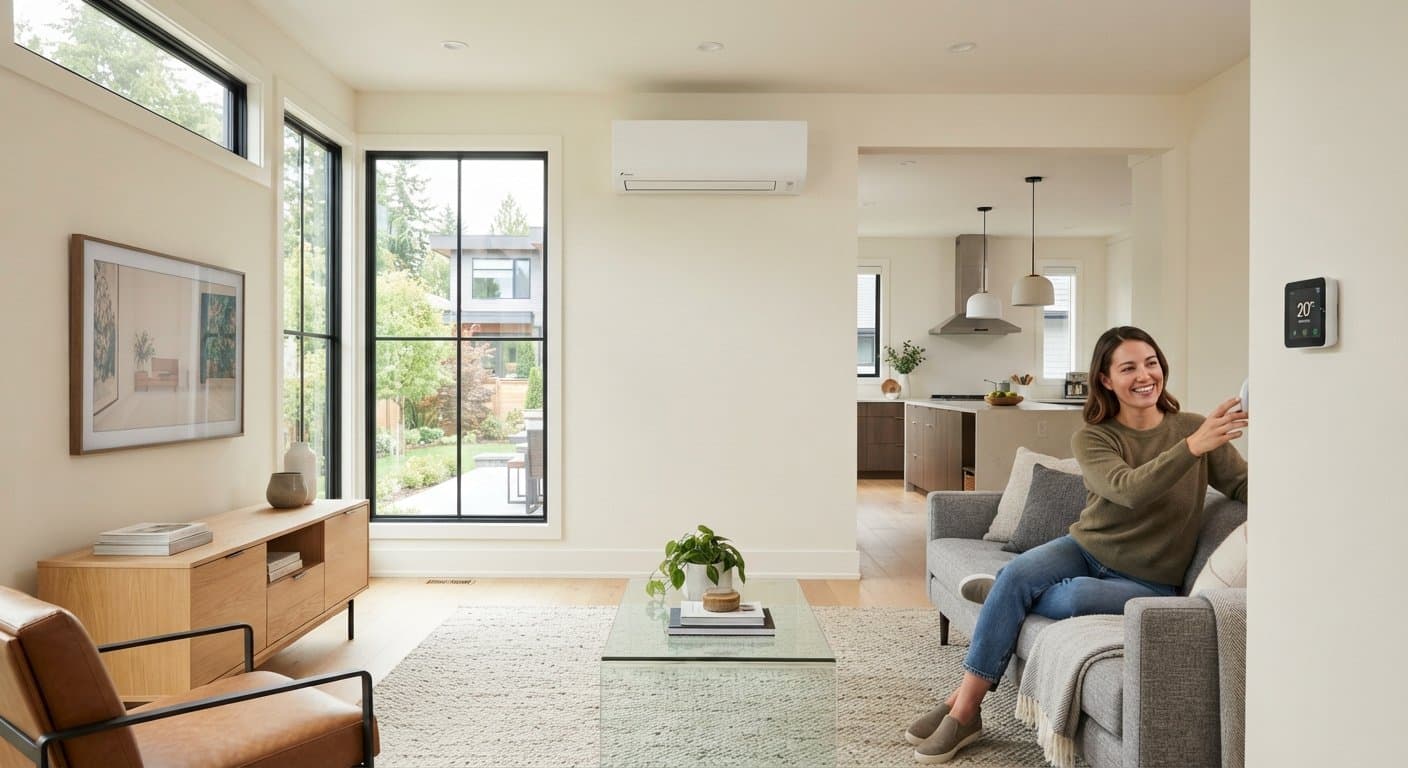
A heat pump provides heating and cooling by moving heat instead of creating it through combustion or electric resistance. In many homes, one system can replace a furnace and central air conditioner. Ductless models can serve rooms without ducts.
The value comes from several factors:
- Comfort: One system can cool and heat, and variable speed models can hold temperatures more evenly.
- Operating costs: A well sized system can use less energy than electric resistance heating. Savings compared with a gas furnace depend on local electricity and gas prices, weather, and equipment efficiency.
- Buyer appeal: Efficient, modern heating and cooling may be a selling point, especially where electric upgrades are common.
- Home readiness: Replacing old equipment can reduce the chance of a major repair for a buyer.
No installer can promise a specific increase in resale price. Appraisals and buyer offers reflect the whole property, including location, condition, utility costs, and competing homes. Keep invoices, equipment specifications, permits, and maintenance records so buyers can verify the upgrade.
Cost Factors
The quote depends on more than the outdoor unit. Ask contractors to list equipment, labor, electrical work, and exclusions separately.
| Cost factor | What changes the price |
|---|---|
| Equipment | Capacity, efficiency, variable speed features, and cold weather performance |
| Labor | Local rates, installation complexity, and whether old equipment needs removal |
| Home size | Larger homes may need more capacity or multiple indoor units |
| Access | Tight attics, long refrigerant lines, difficult roof access, or limited outdoor space add labor |
| Electrical work | A new circuit, panel upgrade, or wiring repair can add hundreds or several thousand dollars |
| Permits and disposal | Local permits, inspection fees, and hauling old equipment may be separate |
| Add ons | Duct repairs, new thermostats, condensate pumps, and backup heat can raise the total |
Equipment capacity is measured in British thermal units, or BTUs. Bigger is not automatically better. An oversized heat pump can cycle on and off too often, which may reduce comfort and efficiency. Ask for a load calculation based on the home size, insulation, windows, and layout. A quote based only on the old unit capacity is a reason to ask more questions.
For older homes, budget an extra 10 to 15 percent for surprises such as deteriorated ducts, electrical issues, or difficult equipment access. Confirm whether the quote includes sales tax, permit fees, removal, and startup testing.
Options: Good, Better, Best
Good: Basic ducted system
A single stage system offers straightforward heating and cooling and often has the lowest upfront cost. It can be a sensible fit for a smaller home or a limited budget. Ask how it performs in your area coldest conditions and whether it needs backup heat.
Better: Variable speed ducted system
A variable speed compressor adjusts output to match heating and cooling demand. It often provides steadier temperatures and quieter operation. The higher purchase price may be worthwhile if you plan to stay in the home and value comfort, but compare estimated operating costs rather than relying on a broad savings claim.
Best: Zoned or ductless system
Multiple indoor units can heat and cool separate areas, which helps homes with additions, converted garages, or rooms that never feel comfortable. This option may avoid major ductwork, but visible indoor units and more complex maintenance are tradeoffs. Confirm where condensate drains, how each zone is controlled, and what it costs to service.
DIY Versus Hiring a Pro
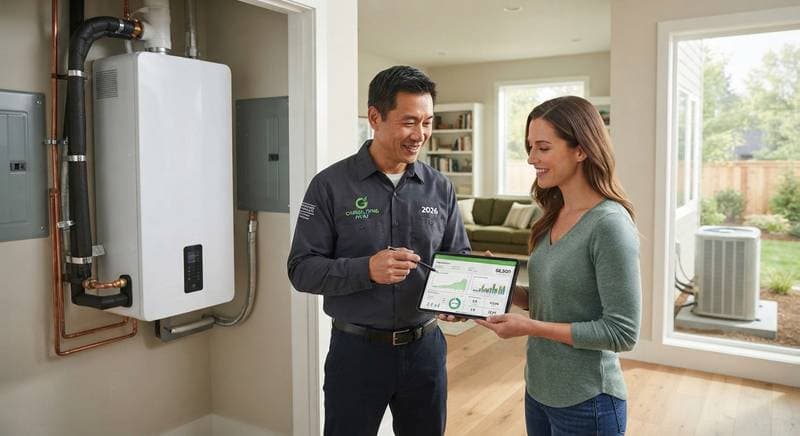
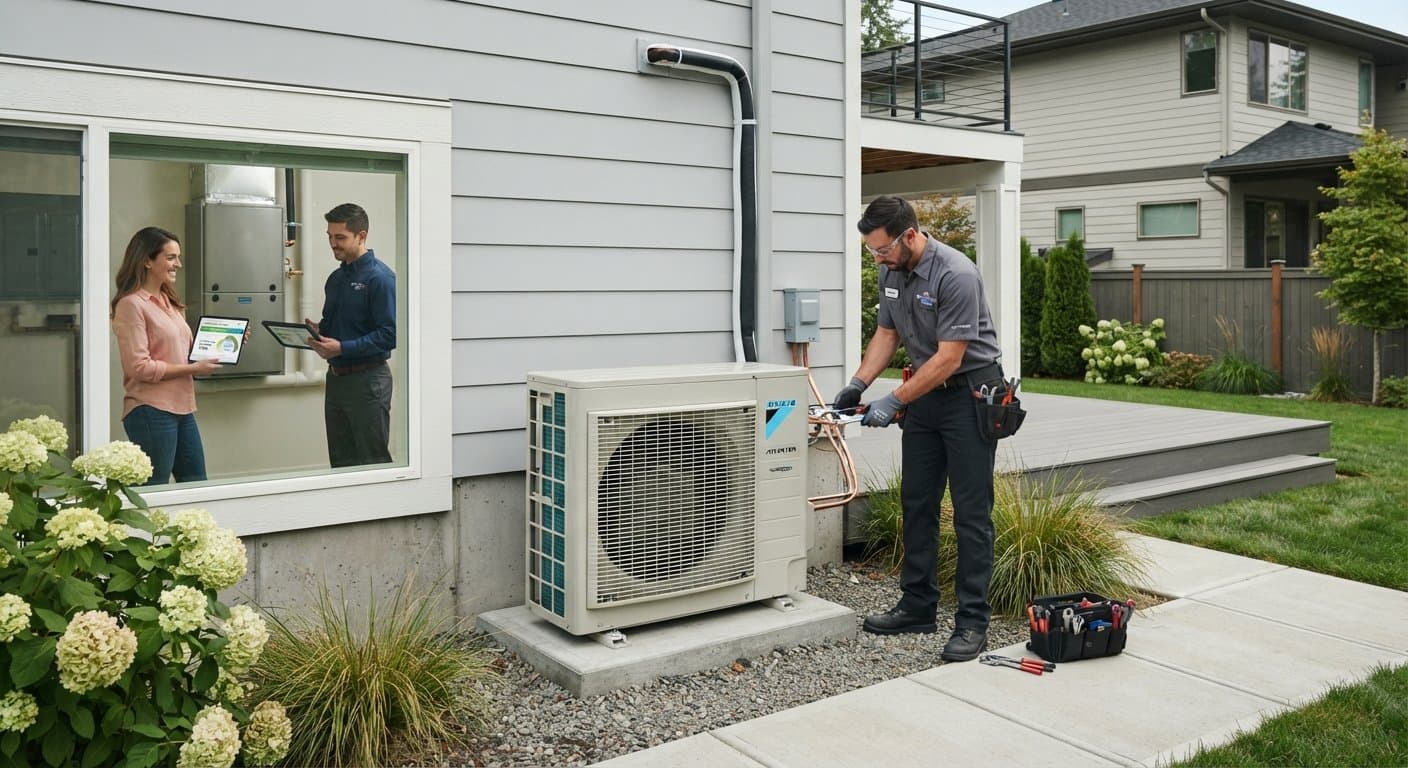
Hire a licensed heat pump contractor for sizing, refrigerant work, wiring, commissioning, and permit related installation. Refrigerant handling may require specific certification. Local rules can also require licensed electrical or plumbing work. Verify the requirements with your local building department before signing.
You can handle useful preparation:
- Photograph the existing equipment labels and electrical panel.
- List rooms with uneven temperatures and note drafts or noise.
- Clear access to the indoor and outdoor equipment.
- Compare at least 3 written estimates with the same scope.
- Ask whether the contractor will test airflow and verify system performance at startup.
A low quote may leave out electrical upgrades, duct sealing, permit costs, or disposal. Ask who will perform the work, what inspections are included, and how the company handles a failed inspection or startup issue. Get the warranty terms in writing.
Timing and Savings
Plan for 2 to 8 weeks from quote approval to installation. Equipment availability, permit review, electrical work, and contractor schedules can extend the wait. Installation itself often takes 1 to 3 days, longer if the project needs new ducts, a panel upgrade, or several indoor units.
Spring and fall may offer more scheduling flexibility than peak heating and cooling seasons. If your current system is failing, do not wait solely for a seasonal discount. Ask whether temporary repairs are safe and practical while you compare quotes.
Rebates and tax incentives change with location, equipment eligibility, household rules, and funding availability. Check current federal, state, utility, and local programs before signing a contract. Confirm the exact model number qualifies and whether the installer must submit paperwork. Do not subtract an incentive from your budget until you verify eligibility and payment timing.
To judge the upgrade, compare your current annual heating and cooling costs with the contractor estimate. Request the assumptions behind the estimate, including utility rates, weather, thermostat settings, and backup heat use. A heat pump may raise operating costs in a home with cheap gas, even as it improves cooling or reduces emissions. The financial case is strongest when equipment is due for replacement, electricity rates are favorable, and the home has good insulation and sealed ducts.
Repair or Replace?
Repair may make sense if the current system is reliable, the repair is modest, and it has years of useful life left. Replacement deserves a closer look when repairs keep returning, parts are hard to find, or the system struggles to heat and cool the home.
Compare the repair bill with the replacement quote, expected remaining life, and energy use. A $700 repair on a sound system may be better than spending $12,000. A costly repair on old equipment may be poor value if another failure could follow. Ask the contractor to explain the diagnosis and show the failed part or test result.
Maintenance and Warranties
Most heat pumps need routine filter care and professional service. Check the filter on the schedule recommended for your home, and keep leaves, snow, and stored items away from the outdoor unit. Do not bend coil fins or spray electrical parts.
Arrange periodic service to inspect coils, refrigerant performance, electrical connections, drains, and airflow. Dirty filters and blocked outdoor units can reduce performance and trigger avoidable repairs. If you notice ice that remains on the outdoor coil, repeated breaker trips, burning smells, or a sudden loss of heating, shut the system down if safe and call a technician.
Your Next Steps
- Write down your current heating and cooling costs, comfort problems, and equipment age.
- Get 3 quotes based on a load calculation, not a quick visual estimate.
- Compare total installed cost, model specifications, warranty coverage, permits, and exclusions.
- Check incentives directly with the program provider before counting them in your budget.
- Choose a system that fits your climate, utility rates, home layout, and plans for the property.