The Rise of Dark Walls in Home Design and Sales
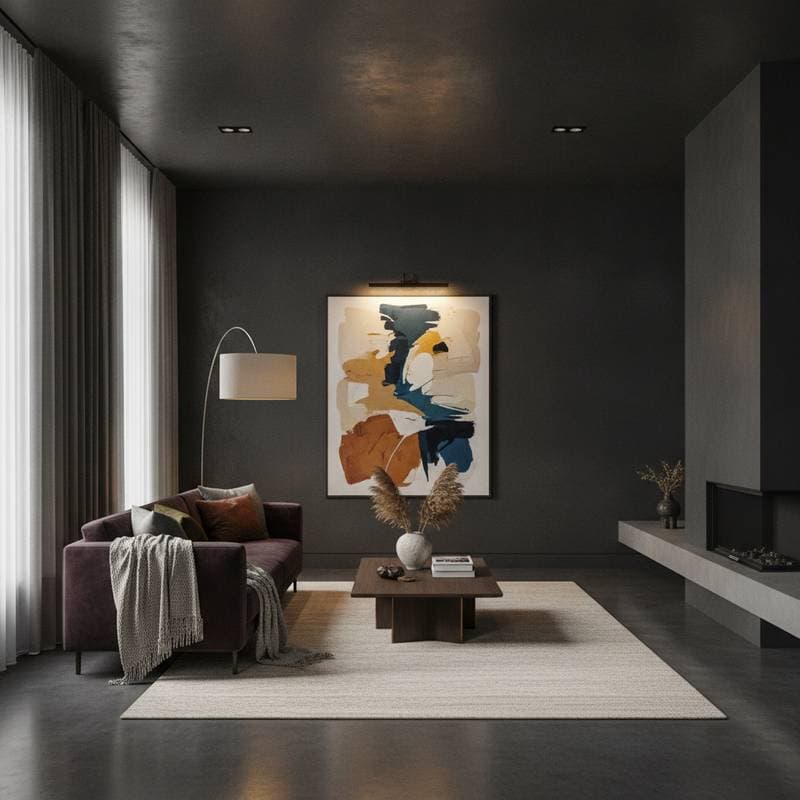
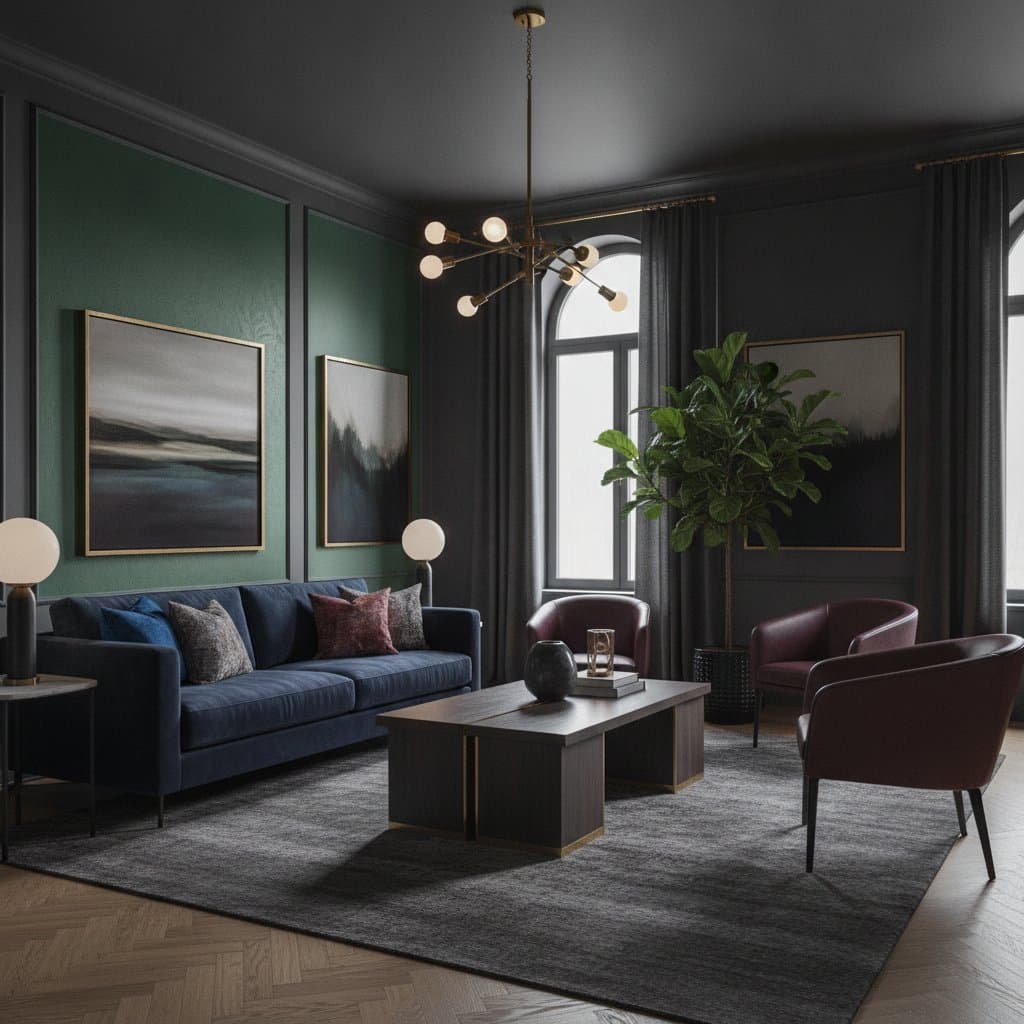
Dark interior walls emerge as a compelling trend in contemporary home styling. Shades such as charcoal, navy, and forest green supplant the once-dominant all-white palettes. For homeowners preparing to sell, these moody tones distinguish a property in a competitive market. Proper application of dark walls fosters warmth, depth, and visual intrigue that resonate with discerning buyers seeking modern sophistication.
This approach transforms ordinary spaces into inviting environments. Buyers increasingly favor homes that exude personality and polish. Dark walls achieve this by enveloping rooms in a cocoon-like ambiance, particularly when balanced with strategic lighting and accents. Sellers who embrace this trend often report heightened interest and expedited closings.
Defining the Dark Wall Trend
The dark wall trend involves applying saturated paint colors to interior surfaces for dramatic effect. These hues appeal to individuals desiring an upscale, bold aesthetic. They perform optimally in areas with ample natural or artificial light, or when paired with crisp white trim for contrast.
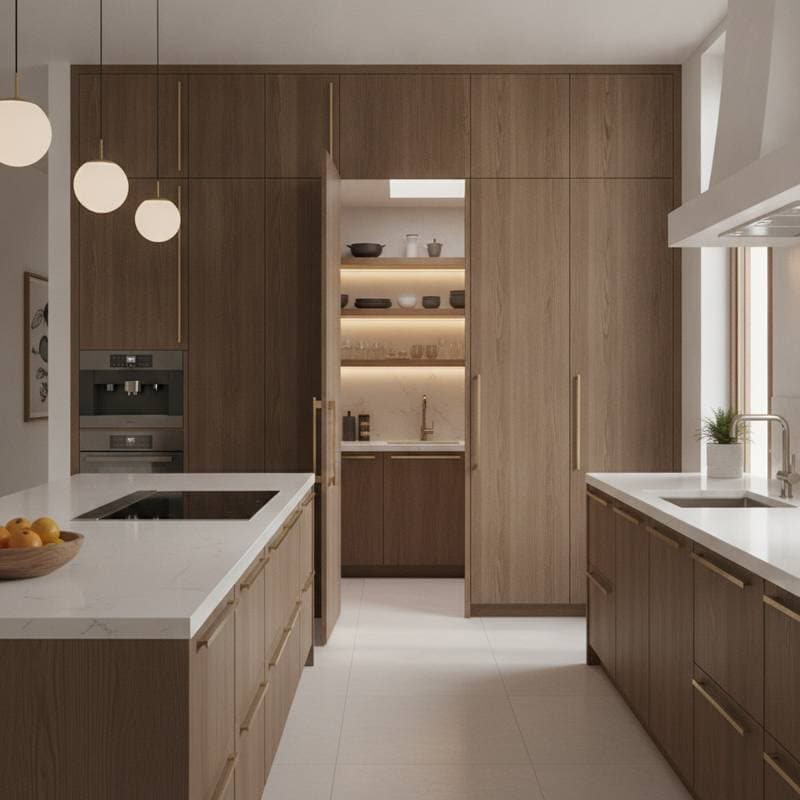
Consider a living room bathed in soft navy walls: the color recedes slightly, drawing the eye to furniture and artwork. In contrast, a kitchen with forest green cabinets against lighter walls maintains openness. The versatility of dark walls allows customization to suit various architectural styles, from mid-century modern to rustic farmhouse.
Homeowners experiment with these shades to personalize spaces without permanent alterations. The trend aligns with broader movements toward biophilic design and emotional wellness, where deeper colors promote relaxation. For sellers, this means staging that feels authentic rather than contrived.
Breaking Down the Costs
The expense of painting interior walls typically falls between $2 and $6 per square foot. For a standard 12-by-14-foot room, expect to pay $350 to $800, covering materials and labor. Opting for high-end paints or extensive surface preparation can elevate the total to $1,200 or higher.
Several elements influence these figures. Paint quality determines durability and coverage; premium brands offer better pigmentation for fewer coats. Wall condition plays a role: smooth surfaces require less prep than textured or damaged ones. Larger rooms or vaulted ceilings increase material needs and labor time.
Regional labor rates vary significantly; urban areas command higher fees than rural ones. Additional features, such as accent walls or eco-friendly low-VOC coatings, add to the budget. To manage costs, obtain multiple quotes from licensed painters and prioritize value over the lowest bid.
Weighing the Advantages and Drawbacks
Advantages
Dark walls cultivate a luxurious, contemporary vibe that elevates everyday spaces. They make light-colored trim, rugs, and furnishings stand out vividly, enhancing overall decor cohesion. Imperfections on walls, like small dents or uneven plaster, become less noticeable under deeper tones.
From a resale perspective, these walls signal thoughtful design investment, potentially justifying a premium price. They absorb light in a way that softens harsh glare, creating a more comfortable atmosphere. In well-lit homes, dark walls can even make rooms appear larger by adding perceived depth.
Drawbacks
In compact areas, dark shades may compress the sense of space, making rooms feel confined. Without sufficient illumination, the effect turns somber rather than inviting. Touch-ups become more apparent on dark surfaces, demanding meticulous application.
Resale challenges arise if buyers prefer neutral palettes; dark walls might necessitate repainting before listing. Maintenance requires care to prevent scuffs from showing prominently. Sellers must assess their target audience to avoid alienating conservative buyers.
Exploring Finish Options and Applications
Selecting the right finish enhances the performance of dark walls. Matte finishes deliver a velvety texture that conceals minor flaws, suiting bedrooms or studies with minimal wear. Eggshell provides a subtle glow and washability, ideal for family rooms where durability matters.
Satin finishes reflect light gently, perfect for high-traffic zones like hallways or dining areas. For bold statements, consider semi-gloss in moisture-prone spaces such as bathrooms, though it highlights imperfections. Accent walls limit commitment by featuring one dramatic surface, preserving brightness elsewhere.
Experiment with color variations: warm undertones in charcoal add coziness, while cool navy evokes serenity. Pair with metallic accents or wood elements for texture. These choices ensure the walls integrate seamlessly with existing fixtures.
DIY Painting Versus Professional Services
Applying dark paint demands precision, as inconsistencies appear more readily than with lighter shades. A DIY project spans one to two days, utilizing rollers for broad areas, brushes for edges, and painter's tape for clean lines. Plan for two to three coats to achieve uniform opacity.
Novices benefit from practicing on sample boards first. Essential tools include high-quality brushes to avoid bristle marks and extension poles for ceilings. However, if surfaces require repairs, heights challenge reach, or perfection is paramount, professionals excel.
Experts select appropriate primers, manage ventilation, and execute flawless cuts. They navigate obstacles like crown molding with ease. While DIY saves money, hiring ensures longevity and curb appeal, especially for high-stakes sales preparations.
Essential Painting Steps
- Relocate furniture to the center and shield floors with drop cloths or plastic sheeting.
- Wipe walls thoroughly to eliminate dust, grease, or residue using a mild detergent solution.
- Repair cracks or holes with spackle, then sand smooth for a seamless base.
- Roll on a tinted primer matched to the paint color to minimize layers needed.
- Use an angled brush to 'cut in' along ceilings, baseboards, and corners.
- Apply the base coat with a roller in a W-pattern for even distribution.
- Allow full drying time, typically four to six hours, before the next layer.
- Examine for missed spots or lap marks, then address with targeted touch-ups.
- Peel away tape at a 45-degree angle while paint remains tacky, and rinse tools immediately.
Follow these steps methodically to yield professional results. Test paint in the actual space to account for lighting shifts throughout the day.
Upkeep and Longevity
With proper care, dark walls endure five to ten years before requiring refresh. Clean surfaces gently using a soft cloth dampened with mild soap and water. Steer clear of abrasive cleaners that strip the finish prematurely.
Monitor areas exposed to sunlight for fading; apply UV-protectant sprays if necessary. Annual inspections reveal wear from furniture shifts or daily use. Prompt touch-ups maintain the polished look, preserving the investment's value.
In humid climates, ensure good airflow to prevent mold behind dark veneers. Regular vacuuming below baseboards keeps dust from accumulating. These habits extend the walls' appeal and functionality.
Complementary Design Choices
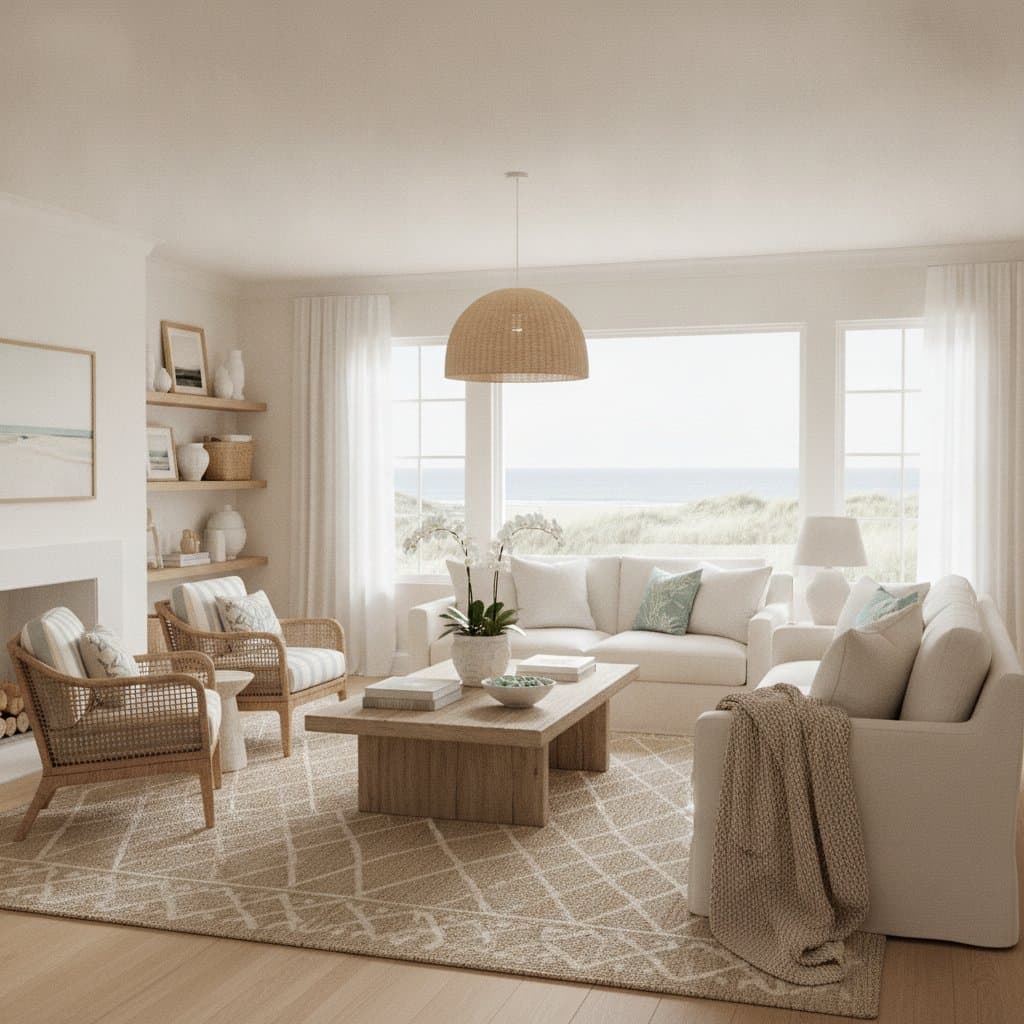
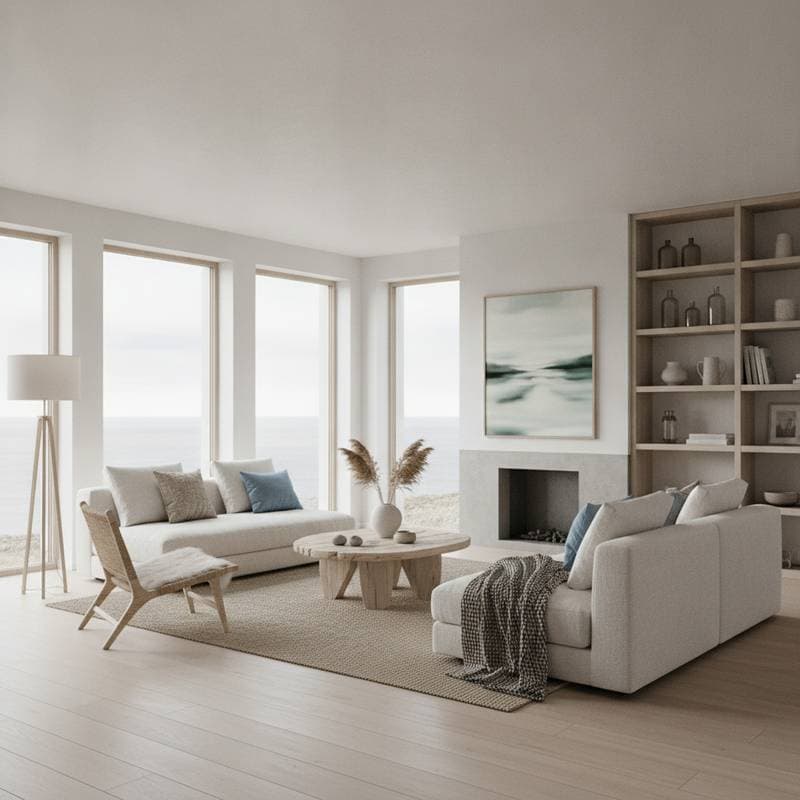
For those hesitant about full dark walls, mid-tone neutrals like greige offer a tempered elegance with broader resale compatibility. Two-tone schemes blend dark lower halves with lighter uppers, fostering height illusion.
Wallpaper introduces pattern and depth without paint commitment, ideal for renters or temporary updates. Textured options mimic dark paint's richness while adding tactile interest. Combine with sheer curtains to filter light softly.
Regional Considerations for Implementation
In sun-drenched locales, dark walls thrive by contrasting abundant natural light, preventing flatness. Cloudier areas demand layered lighting: recessed cans, floor lamps, and mirrors to bounce illumination. Coastal regions favor mildew-resistant paints due to salt air.
Inland zones benefit from earthier tones like deep taupe. Local building codes often mandate low-VOC paints to curb emissions; verify compliance during purchase. Labor expenses fluctuate: expect premiums in high-demand cities versus affordable rates in suburbs.
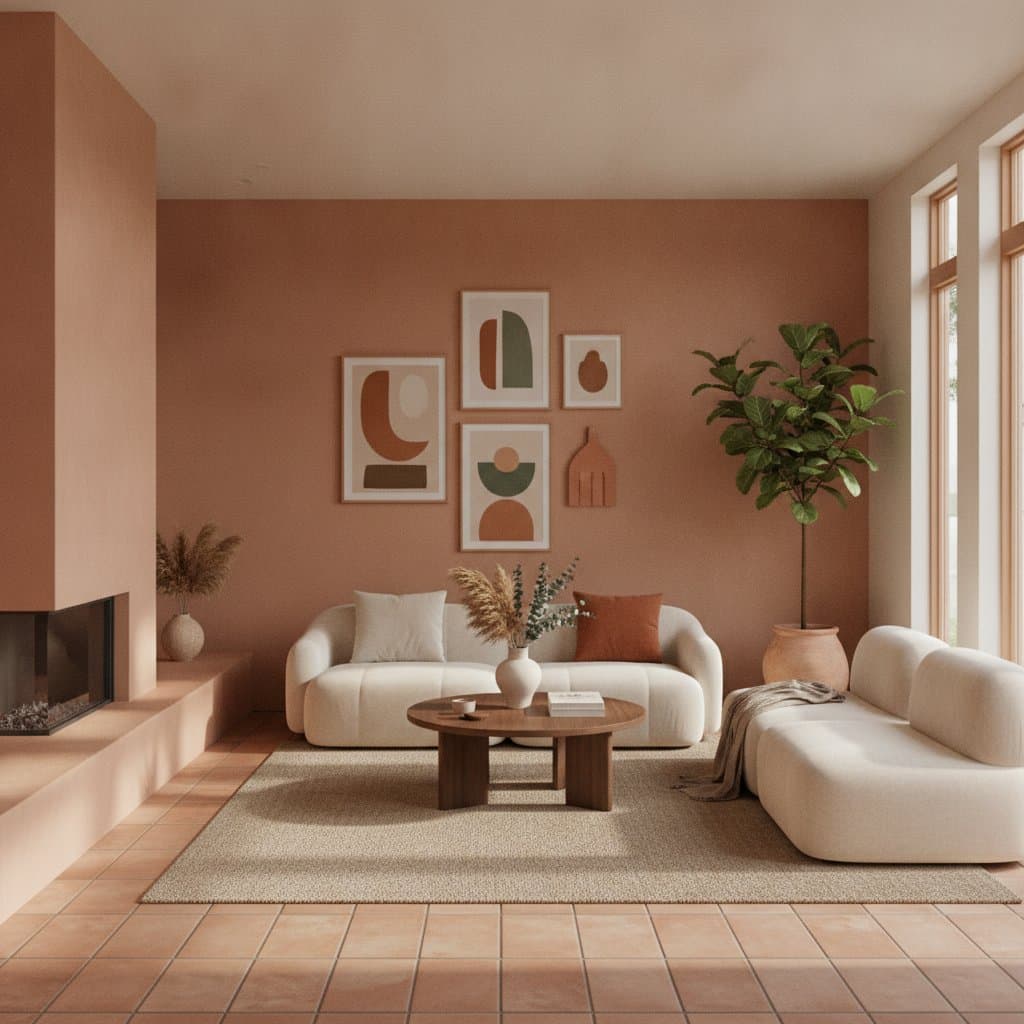
Tailor choices to climate and architecture. For example, adobe homes in arid Southwest pair well with terracotta-infused darks, enhancing regional charm.
Realizing Return on Investment
Dark walls boost listing photography by creating dynamic shadows and highlights, captivating online browsers. Buyers view these spaces as curated and move-in ready, prompting swift inquiries. The primary gain lies in reduced market time rather than inflated prices.
Data from recent sales indicates properties with moody interiors linger 10 to 20 percent less on the market. Staging experts recommend virtual tours showcasing lighting transitions. This strategic upgrade yields tangible efficiency in the selling process.
Prioritizing Safety During Painting
Maintain ventilation by opening windows and using exhaust fans to disperse fumes. Wear protective gloves, goggles, and masks when handling primers or sanding dust. Keep children and pets away from work zones.
Follow disposal guidelines for leftover paint and rags to avoid fire hazards. Store materials in well-ventilated sheds. These precautions ensure a safe transformation without health risks.
Implementing Dark Walls Effectively
Start by applying sample swatches to multiple walls and observe them across lighting conditions, from morning sun to evening lamps. Consult color wheels to harmonize with flooring and cabinetry. Enlist an interior designer for bespoke advice if budget allows.
Document the before-and-after to track impact. This methodical approach guarantees dark walls enhance rather than overwhelm, positioning your home for optimal buyer attraction and a streamlined sale.