Dark Academia Adds 11% Premium to Homes
Dark Academia design has evolved from a niche aesthetic into a significant driver in the real estate market. Homes incorporating this moody, scholarly style now command an average premium of 11 percent upon sale. Buyers gravitate toward its layered textures, deep colors, and classic materials, which create a sense of grounding and personalization absent in stark, white-dominated modern interiors.
This approach appeals to homeowners who value warmth over minimalism. It seamlessly blends historical elements with everyday comfort. The style adapts well to older homes, condos with high ceilings, and even new constructions seeking added depth and character.
Cost Snapshot
Average Project Range: $9,000 to $45,000 for a complete room redesign.
Typical Range: $15,000 to $25,000 for transforming a living room or study.
Low-End Projects: $3,000 to $7,000 for targeted updates such as paint, lighting, and textiles.
High-End Projects: $50,000 or more for bespoke millwork, built-in shelving, or authentic antique furnishings.
Factors Influencing Cost:
- Selection of premium materials like solid wood, brass hardware, and natural stone.
- Custom carpentry, including built-in shelving and cabinetry.
- Sourcing of genuine antiques or high-quality reproductions.
- Installation of specialty lighting with multiple layered fixtures.
- Fees for professional design consultations.
For many homeowners, custom millwork and cabinetry represent the largest investment. However, more affordable changes like paint applications and lighting enhancements yield substantial visual impact.
Variations in Dark Academia
Dark Academia manifests in several distinct variations, each tailored by tone and emphasis. Consider these common interpretations:
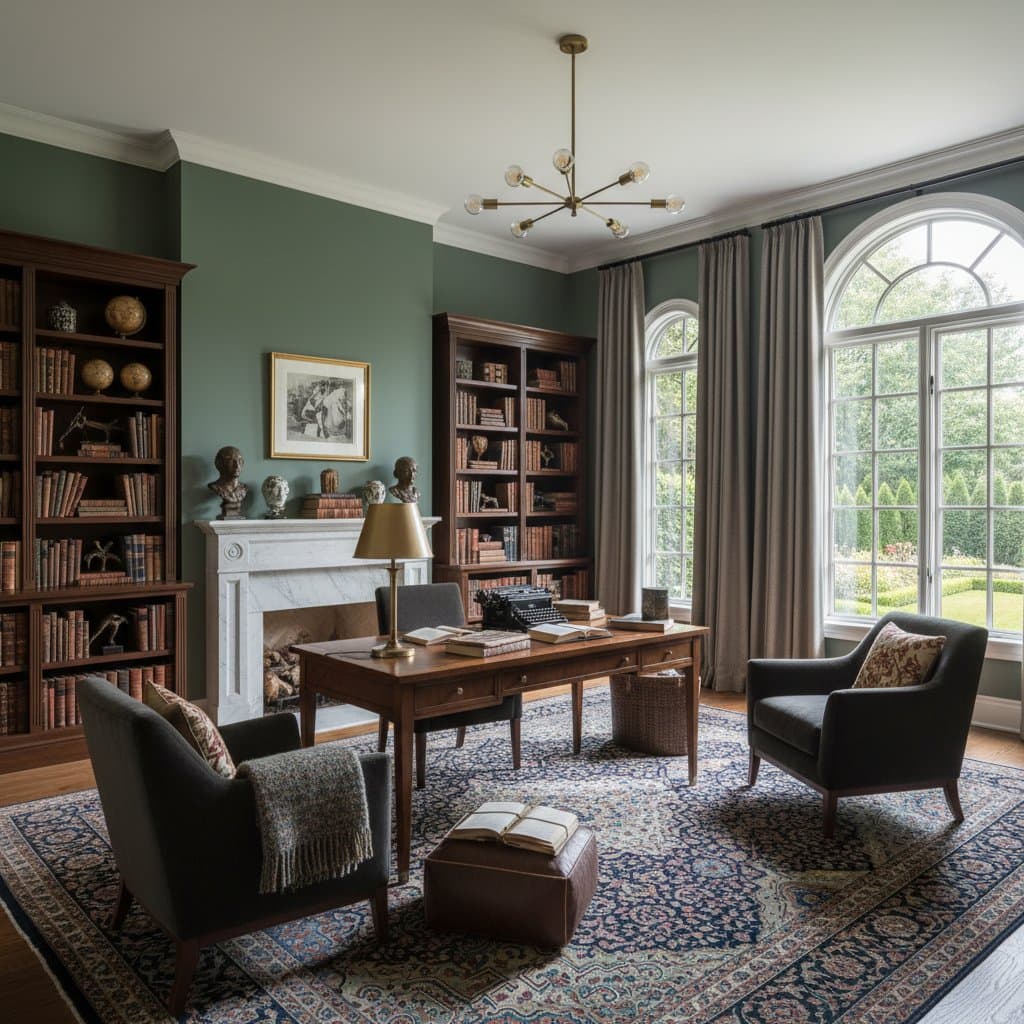
- Classic Scholarly: Features deep mahogany woods, leather-bound chairs, and intricate Persian rugs. This suits dedicated studies or libraries where intellectual pursuits take center stage.
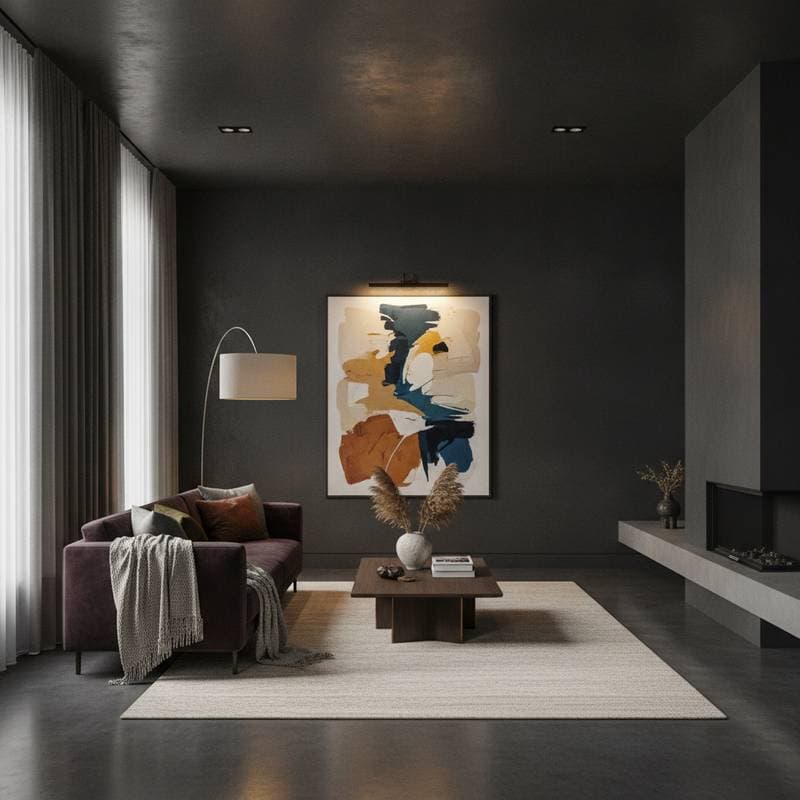
- Modern Academic: Incorporates dark wall paints paired with sleek lines and up-to-date lighting solutions. It thrives in compact apartments, maintaining elegance without overwhelming the space.
- Eclectic Vintage: Blends pieces from various eras, including thrifted artwork and multifaceted textiles. Creative individuals find it perfect for infusing personality into everyday areas.
- Gothic Influence: Includes arched mirrors, wrought-iron details, and stone accents for dramatic flair. Historic properties or those aiming for bold statements benefit most.
- Soft Academia: Employs lighter wood tones, subdued neutrals, and flowing romantic fabrics. Bedrooms and creative studios appreciate its gentler, more inviting vibe.
Every variation relies on strategic use of texture, color depth, and lighting to foster immersion while preserving livability.
Step-by-Step Implementation Guide
- Develop the Color Palette. Select three to four foundational colors, complemented by a single accent shade to guide the overall scheme.
- Prepare the Space. Remove clutter, repair wall imperfections, and apply primer to ensure a smooth base.
- Apply Finishes. Introduce deep matte paints or textured wallpapers to establish foundational depth.
- Set Up Lighting. Integrate a combination of wall-mounted sconces, tabletop lamps, and ceiling fixtures for versatile illumination.
- Select and Place Furniture. Prioritize sturdy wooden pieces, leather upholstery, or items inspired by vintage designs for durability and style.
- Incorporate Textiles. Layer curtains, area rugs, and throw blankets in harmonious tones to enhance softness and cohesion.
- Curate Decorations Intentionally. Arrange bookshelves with volumes, framed artwork, and meaningful personal items to evoke scholarly ambiance.
- Assess and Refine Balance. Tweak lighting levels or color contrasts to prevent any sense of oppressiveness.
- Establish Maintenance Routines. Regularly dust surfaces, polish metallic elements, and condition leather to sustain the aesthetic.
These steps allow the atmosphere to develop progressively, resulting in a unified and purposeful environment.
Comparable Design Alternatives
For those who find Dark Academia overly intense, explore these kindred styles that capture similar essence with adjusted intensity:
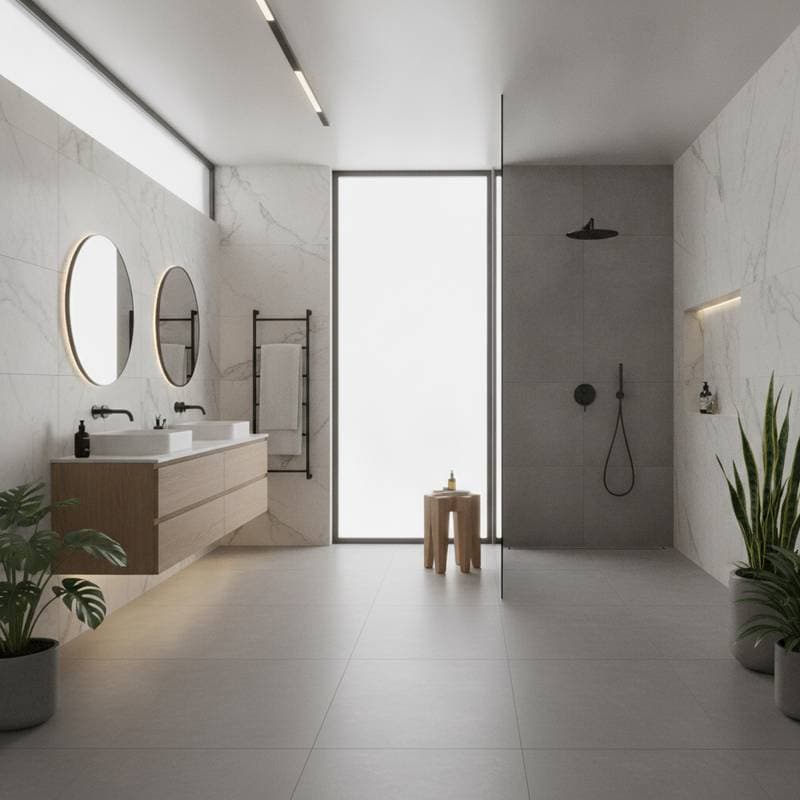
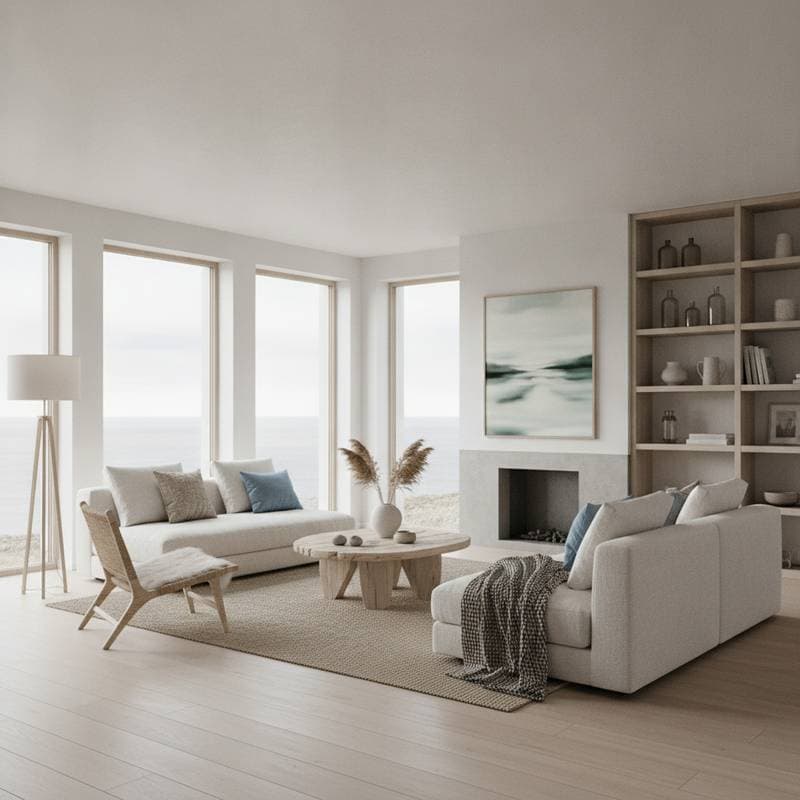
- Japandi: Merges Scandinavian simplicity with Japanese harmony, delivering serene and luminous spaces.
- Industrial Loft: Leverages metals, concrete surfaces, and exposed brick to convey raw, urban toughness.
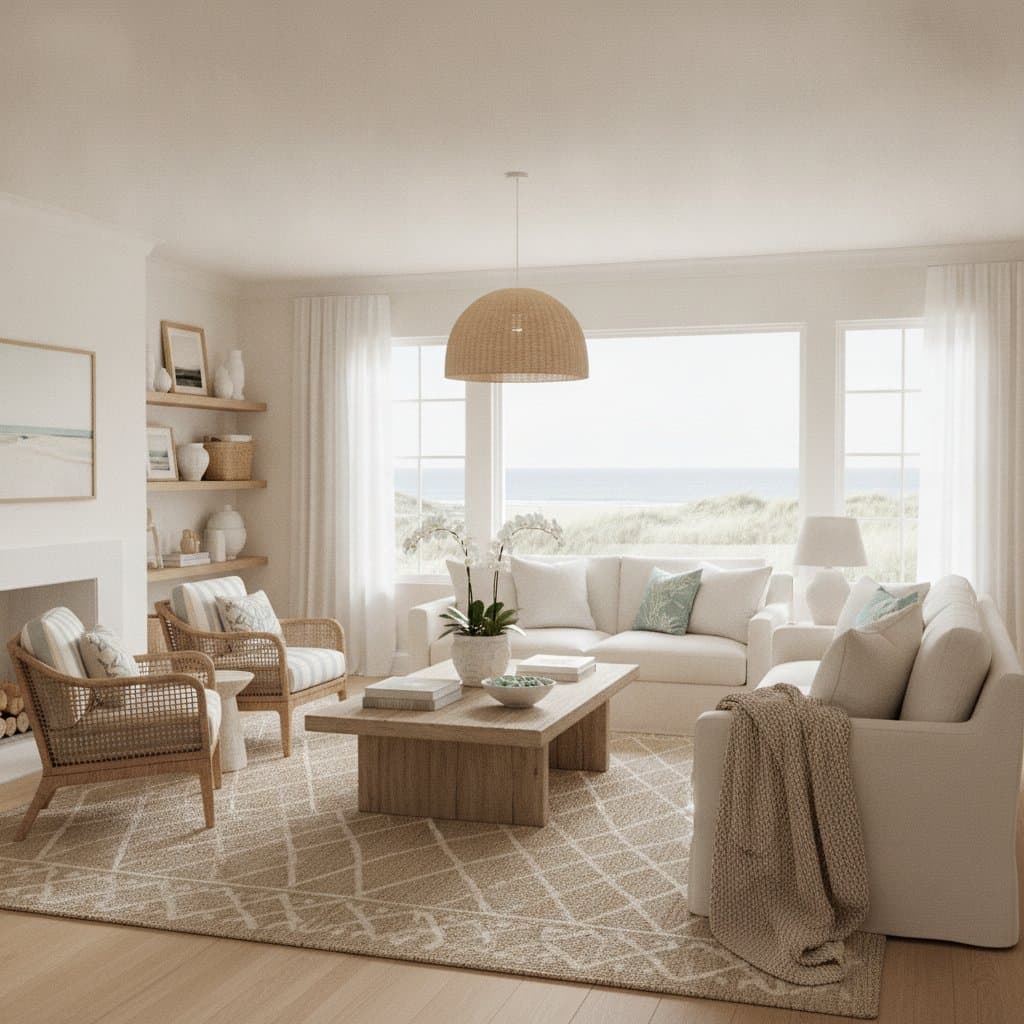
- Transitional Classic: Harmonizes contemporary forms with enduring materials, providing versatile adaptability.
- Cottagecore: Adopts a gentle color range infused with nostalgic elements, suited to compact, brighter interiors.
Each option delivers warmth and substance akin to Dark Academia, yet with varying degrees of visual heft.
Return on Investment and Resale Benefits
A thoughtfully executed Dark Academia interior enhances resale potential, particularly in properties boasting historical or distinctive architecture. The 11 percent average premium stems from the perceived superior quality and unique character. Prospective buyers value the evident craftsmanship and evocative mood beyond mere measurements of space.
Such designs excel in listing photography, distinguishing themselves from bland neutral or sparse minimalist competitors. To maximize resale value, concentrate enhancements on primary living zones, libraries, and offices. In bedrooms, opt for subtler tones to broaden market appeal.
Frequently Asked Questions
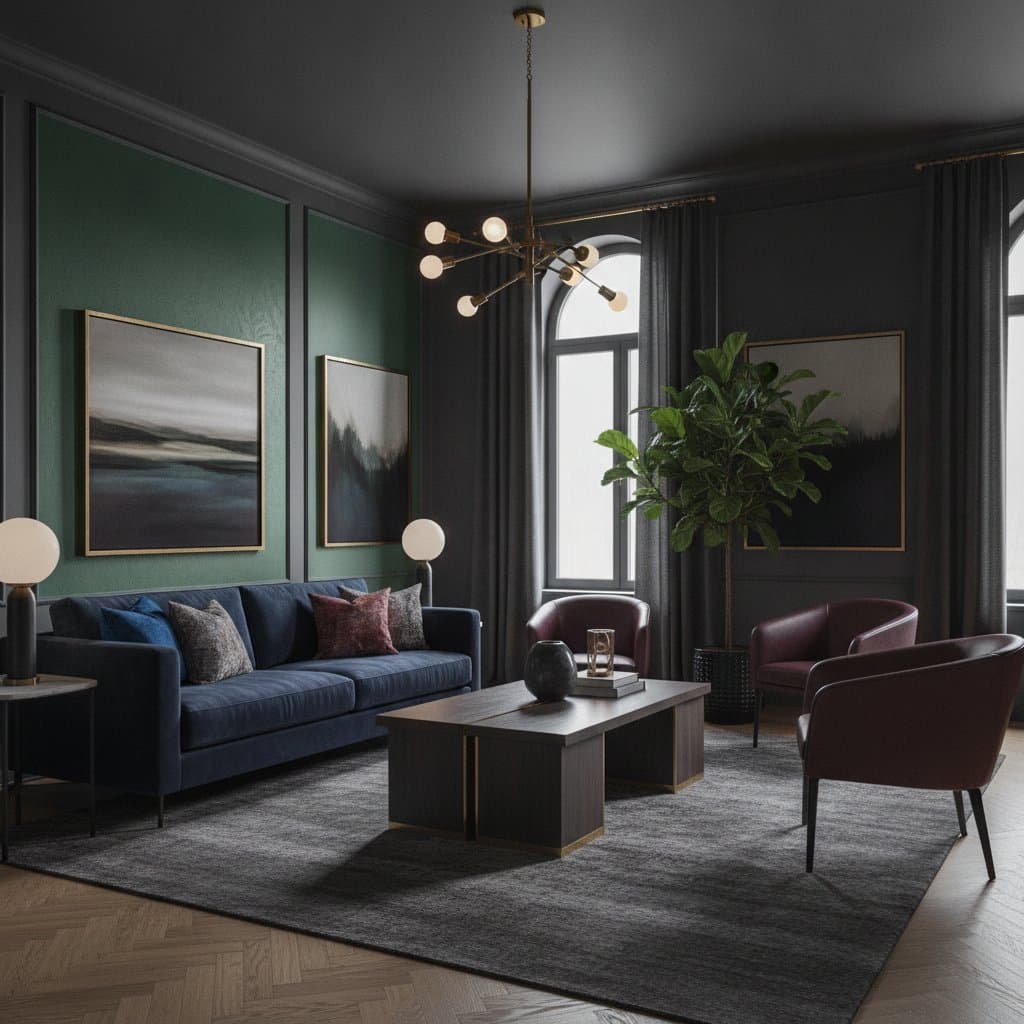
What colors characterize Dark Academia design? The core palette includes deep greens, rich browns, inky blacks, and velvety burgundies. Warm accents in gold or brass introduce subtle luminosity.
Does this style suit small rooms? Absolutely, provided balance remains paramount. Incorporate lighter trim work, expansive mirrors, and multifaceted lighting to ensure spaciousness and ease.
Is it feasible for rental properties? Yes. Select removable options like peel-and-stick wallpapers, plug-in lighting, and freestanding shelving units.
How demanding is ongoing maintenance? Minimal when materials receive thoughtful selection. Routine dusting and periodic polishing suffice in most cases.
Will this trend endure? Dark Academia draws from perennial materials and artisanal techniques, allowing gradual evolution while retaining enduring allure.
Implementing Dark Academia Effectively
Dark Academia delivers compelling returns in livability and property worth. It resonates with those who prioritize narrative and profundity in their surroundings. Begin modestly with paint and lighting adjustments, or commit to comprehensive overhauls featuring custom built-ins and period pieces.
Maintain equilibrium between shadowy palettes and inviting illumination. Consult local designers or contractors experienced in heritage elements for precise quotations. Test material samples under ambient light prior to full application. Through meticulous preparation, this introspective aesthetic transforms ordinary rooms into enduring assets of refinement and depth.