Understanding Wet Rooms
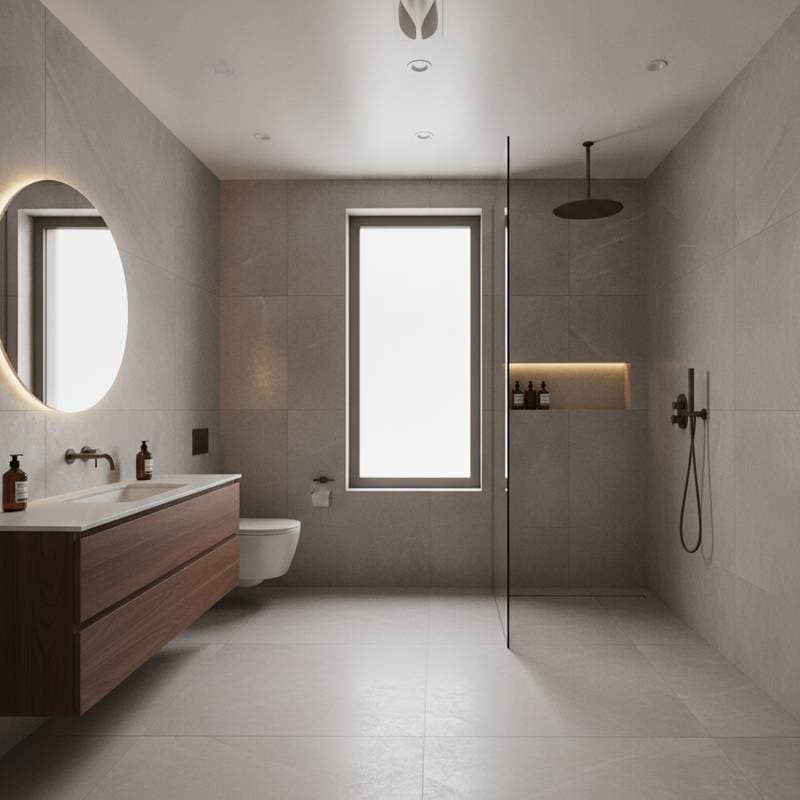
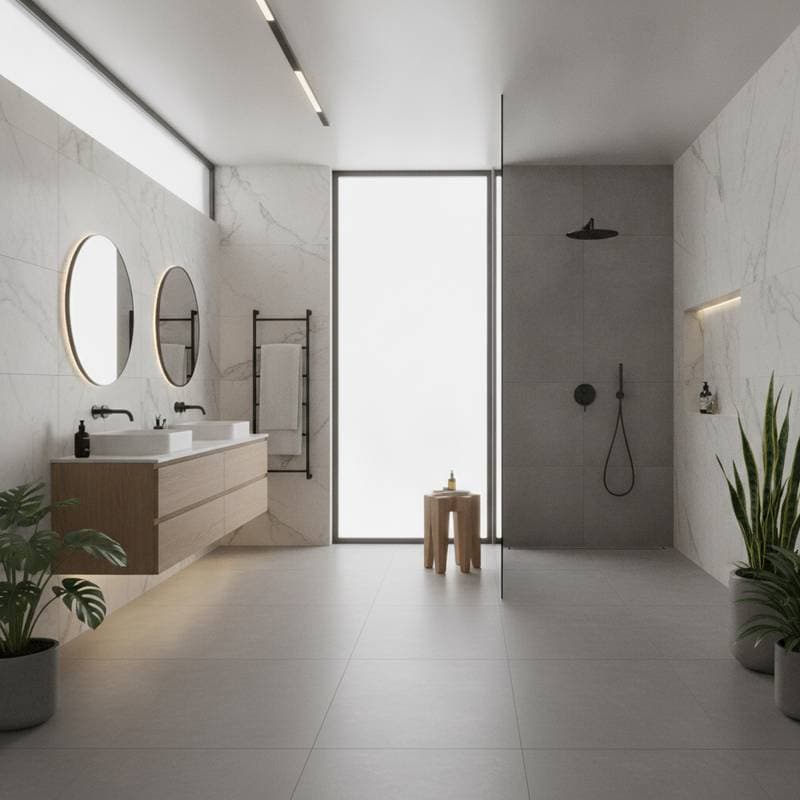
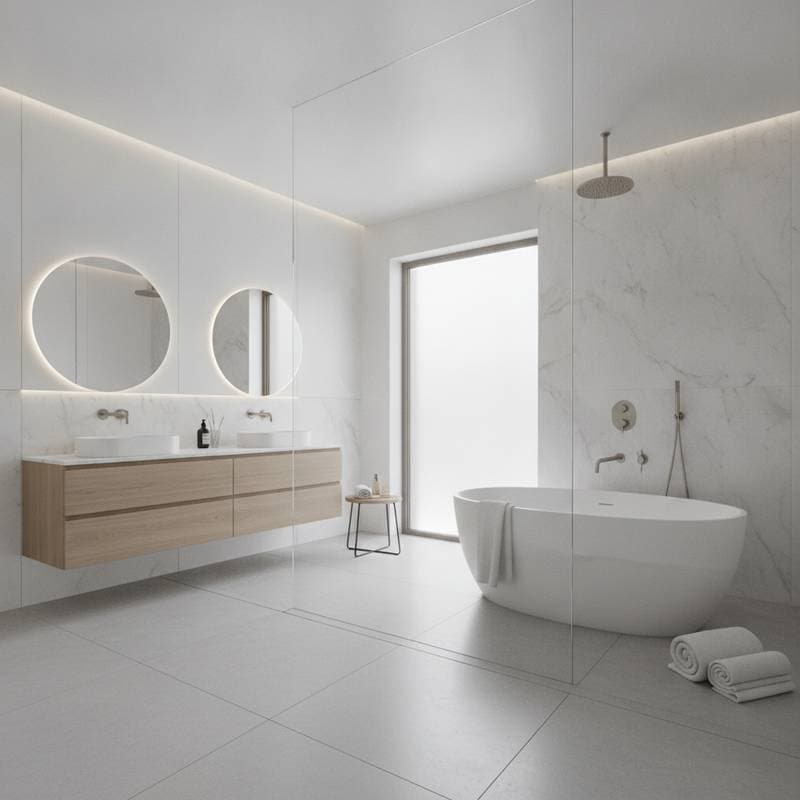
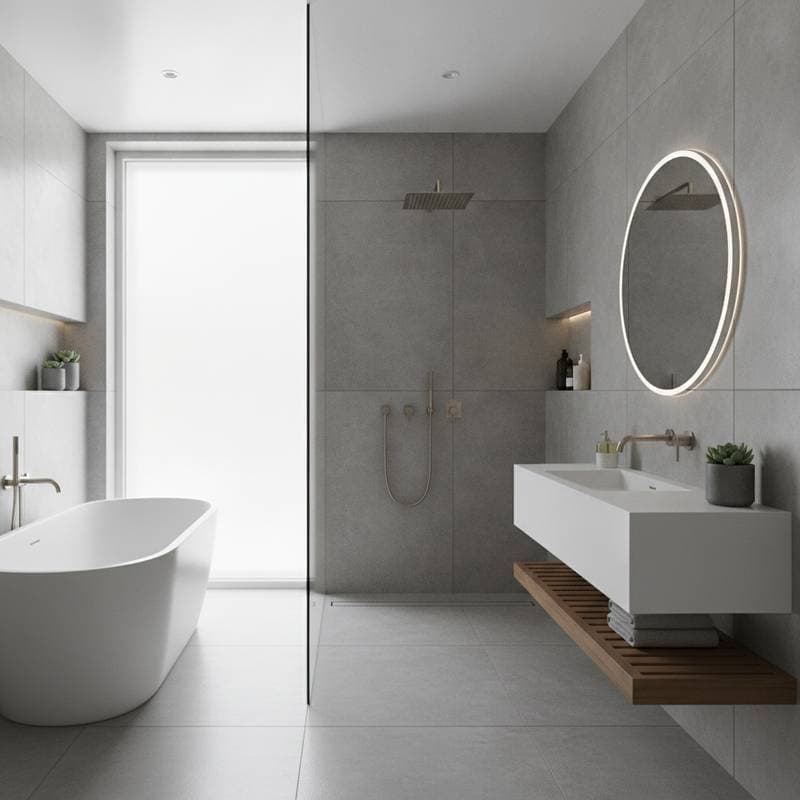
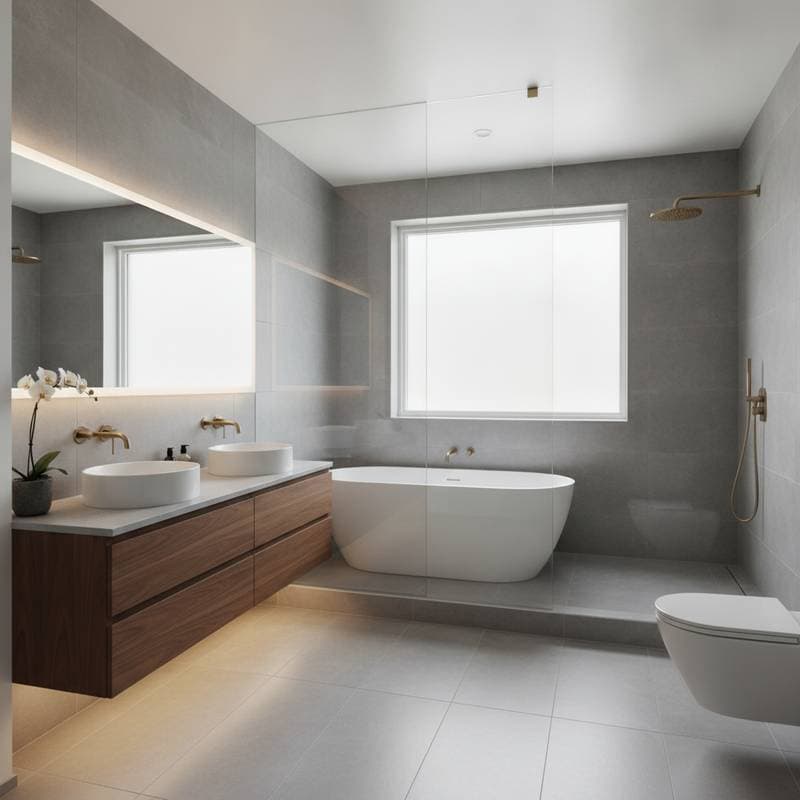
Wet rooms represent a shift in bathroom design, eliminating traditional shower trays and curbs for a fully integrated, waterproof space. This approach creates a seamless floor that slopes gently toward a central drain, allowing water to flow freely without barriers. Homeowners appreciate the open layout, which enhances both functionality and visual appeal in modern residences.
The concept originates from Scandinavian minimalism but has gained popularity worldwide for its practicality. In urban settings, where space is limited, wet rooms maximize usable area by removing partitions. They suit various lifestyles, from families seeking durability to aging individuals prioritizing ease of use.
Key Benefits of Wet Rooms
Wet rooms offer multiple advantages that extend beyond aesthetics. Their design promotes accessibility, making them ideal for universal design principles. Without steps or enclosures, movement within the space becomes effortless, reducing the risk of slips and falls.
Durability stands out as another strength. The fully tiled or sealed surfaces resist moisture damage, preventing issues like mold or rot that plague conventional bathrooms. This longevity translates to lower repair costs over time, providing financial benefits alongside practical ones.
The spa-like ambiance adds emotional value. Smooth lines and expansive flooring create a serene environment, often enhanced by features like rainfall showers or heated floors. Such elements elevate daily routines into indulgent experiences, increasing overall home satisfaction.
Accessibility Features
Level-entry designs accommodate wheelchairs and walkers, aligning with inclusive living standards. Grab bars and non-slip flooring integrate naturally, ensuring safety without compromising style. These adaptations future-proof bathrooms for changing needs, such as those arising from mobility challenges.
Professionals recommend incorporating adjustable showerheads and fold-down seats during planning. Such details maintain the room's fluidity while addressing specific requirements. This thoughtful approach appeals to a broad audience, including potential buyers valuing adaptability.
Low-Maintenance Advantages
Cleaning wet rooms proves straightforward due to the absence of grout lines in shower areas. Sealed surfaces wipe down easily, minimizing effort compared to traditional setups with caulked edges. Homeowners save time and resources on upkeep, freeing them for other priorities.
Advanced materials like porcelain tiles or vinyl composites enhance this ease. These options withstand heavy use and resist staining, maintaining a pristine appearance with minimal intervention. Regular maintenance involves simple tasks, such as applying sealants annually to preserve waterproof integrity.
Market Trends and Value Appreciation
Industry forecasts indicate wet rooms will command an 11% price premium in the real estate market by 2026. This projection stems from growing demand for low-maintenance, accessible features in homes. Buyers increasingly seek properties that blend luxury with practicality, driving up values for renovated spaces.
Data from recent surveys shows bathrooms rank among top renovation priorities, with wet rooms leading in return on investment. Properties featuring these designs sell faster and at higher prices, particularly in competitive markets. The trend reflects broader shifts toward sustainable, user-friendly living.
Urbanization fuels this rise, as compact homes benefit from multifunctional bathrooms. In regions with aging populations, the accessibility aspect proves especially valuable. Investors recognize these dynamics, positioning wet room upgrades as strategic enhancements for portfolio growth.
Planning and Installation Process
Successful wet room creation requires careful planning to ensure waterproofing and structural integrity. Begin by assessing the existing bathroom layout, identifying plumbing and drainage needs. Consult local building codes to confirm compliance, as regulations vary by location.
Select materials that balance aesthetics and performance. Waterproof membranes, such as liquid-applied systems, form the base layer, applied directly to subfloors. Combine these with durable finishes like large-format tiles, which reduce joints and simplify sealing.
Essential Materials
- Waterproofing membrane: Choose cementitious or sheet-based options for robust protection against leaks.
- Tiling: Opt for porcelain or glass mosaics that handle constant moisture exposure.
- Drainage systems: Linear drains along walls provide efficient water evacuation and a sleek profile.
- Sealants: Silicone-free alternatives prevent degradation in humid environments.
These components ensure the space remains dry and functional for years.
Step-by-Step Installation
Start with demolition, removing old fixtures and preparing the subfloor for a slight slope, typically one percent toward the drain. Install the waterproofing layer next, overlapping seams meticulously to create a continuous barrier. Test for leaks before proceeding to tiling.
Position the drain centrally or linearly, connecting it to existing plumbing lines. Lay tiles with thin-set mortar, using spacers for even gaps. After grouting, apply a final sealant to all joints, allowing full curing before use.
Professional involvement proves crucial for complex aspects, such as electrical integration for lighting or heating. Hire certified installers experienced in wet room projects to avoid costly errors. This expertise guarantees a flawless finish that enhances home value.
Waterproofing Best Practices
Layered protection forms the cornerstone of reliability. Apply primer to the substrate, followed by multiple coats of membrane, building thickness for high-traffic areas. Integrate wall protections up to shoulder height, using reinforced sheets for added strength.
Monitor curing times strictly, as premature exposure to water compromises seals. Annual inspections reveal wear, allowing timely reapplication. These habits extend the system's lifespan, safeguarding the home's structure.
Cost Analysis and Return on Investment
Initial costs for wet room conversions range from moderate to high, depending on size and materials. Basic setups start around essential updates, while luxury versions incorporate custom features. Budget for labor, which constitutes a significant portion due to precision requirements.
Despite upfront expenses, the 11% premium by 2026 offers substantial returns. Recoupment occurs through increased property appraisals and quicker sales. Factor in energy savings from efficient fixtures, further boosting long-term value.
Homeowners should weigh options against alternatives like standard showers. Wet rooms excel in versatility and appeal, justifying the investment for resale-focused renovations. Financing through home equity lines eases the process for eligible owners.
Realizing the Full Potential
Embracing wet rooms positions homes at the forefront of design innovation. The combination of style, accessibility, and durability creates spaces that serve immediate needs while appreciating in worth. Homeowners who prioritize these upgrades enjoy enhanced living quality and financial gains.
Consider integrating smart technology, such as motion-sensor lighting, to amplify convenience. These additions align with modern expectations, broadening appeal. Ultimately, wet rooms deliver a harmonious blend of form and function, transforming bathrooms into valuable assets.