Introduction to Wet Rooms
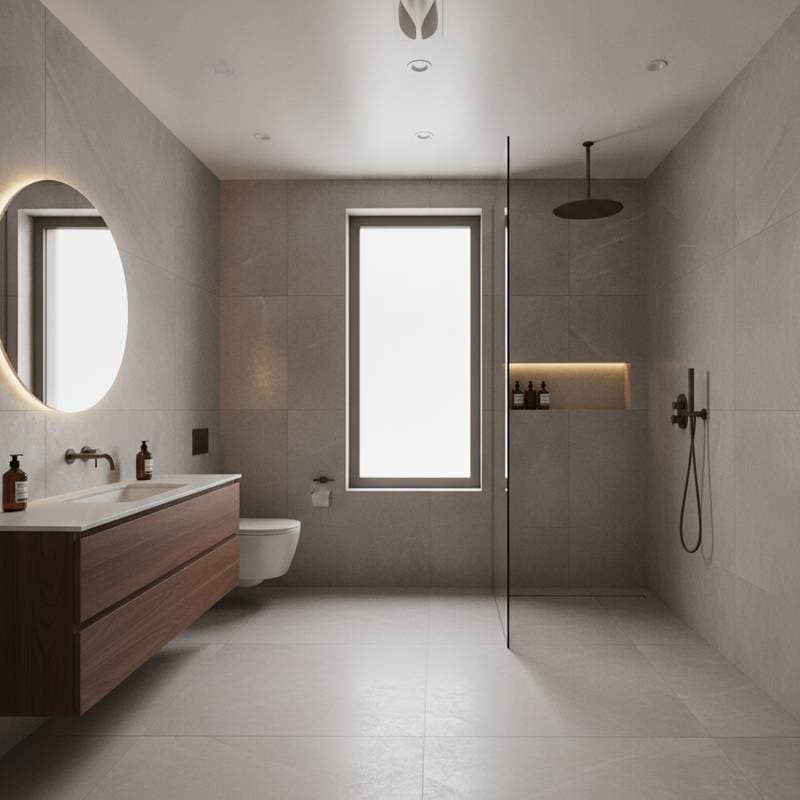
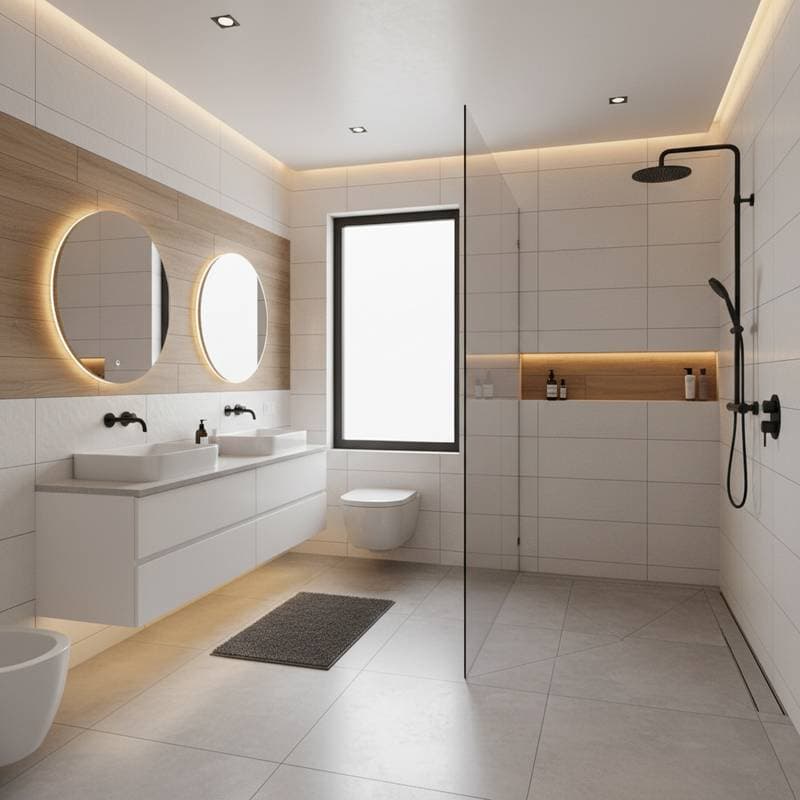
Wet rooms represent a modern approach to bathroom design, where the entire space functions as a waterproof shower area without traditional enclosures. This seamless integration eliminates barriers, creating an open, spa-inspired environment. In 2025, wet rooms gain prominence due to their emphasis on safety, accessibility, and aesthetic appeal, making them a strategic upgrade for homeowners.
The design relies on sloped floors that direct water to a central or linear drain, paired with impermeable wall and floor coverings. Materials such as porcelain tiles and specialized membranes ensure durability against moisture. Homeowners appreciate the minimalist look, which aligns with contemporary trends toward open-plan living.
Key Benefits for Safety and Resale Value
Safety stands as a primary advantage of wet rooms, particularly for aging-in-place scenarios. The absence of curbs reduces trip hazards, while nonslip flooring materials enhance stability. Integrating features like grab bars or fold-down seats further supports users with mobility challenges, promoting independence.
Resale value receives a significant boost from this upgrade. Real estate experts project an increase of up to 8 percent in home appeal, driven by the perception of luxury and practicality. Buyers in 2025 prioritize low-maintenance, accessible spaces, especially in markets with older demographics. A well-executed wet room signals thoughtful investment, differentiating properties in competitive listings.
Beyond monetary gains, wet rooms offer daily convenience. Cleaning becomes straightforward without grout lines in shower areas, and the open layout maximizes perceived space. These elements combine to deliver long-term value for both current residents and future owners.
Design Considerations and Costs
Designing a wet room begins with evaluating the existing bathroom layout. Ensure adequate space for water flow, typically requiring a minimum of 4 feet by 5 feet. Professional assessment confirms structural integrity, including subfloor strength and plumbing alignment.
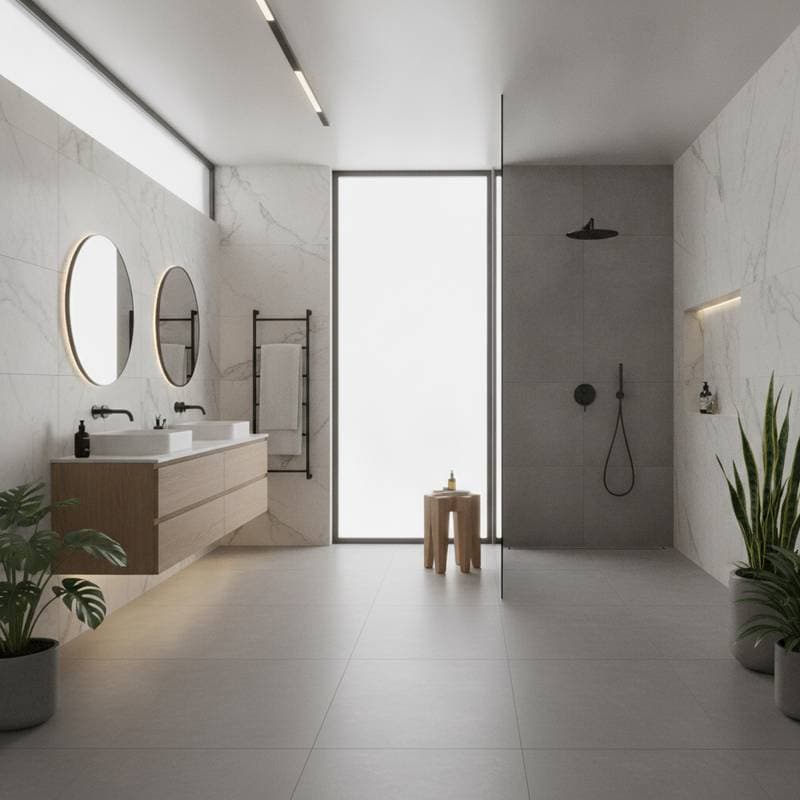
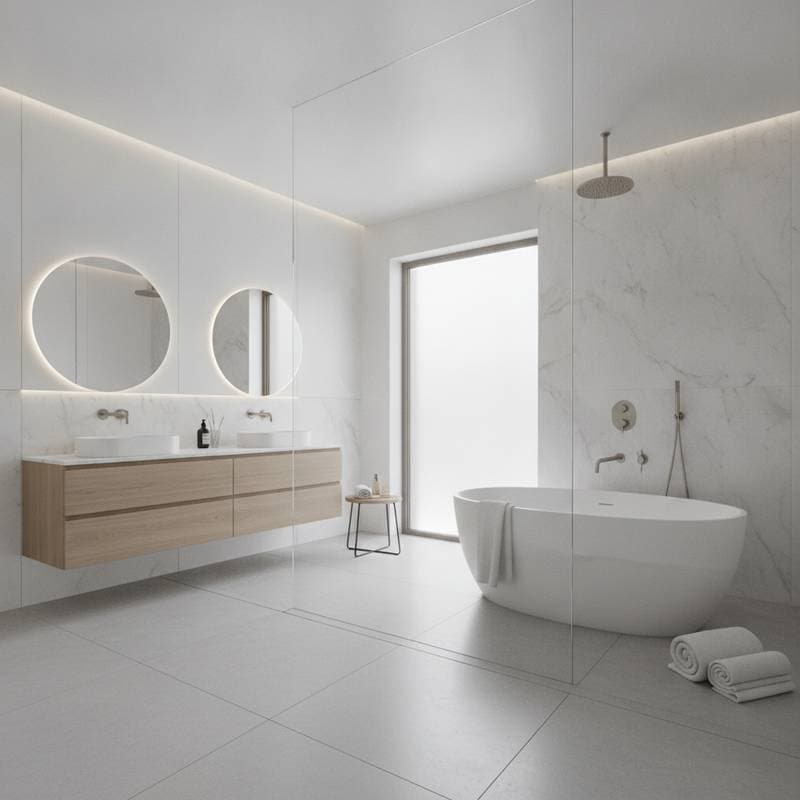
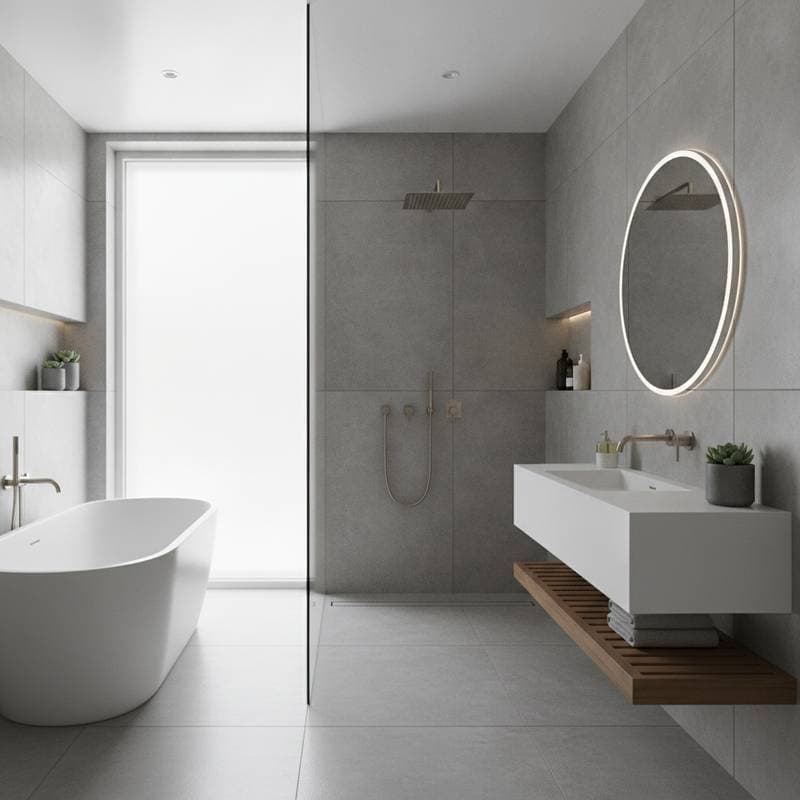
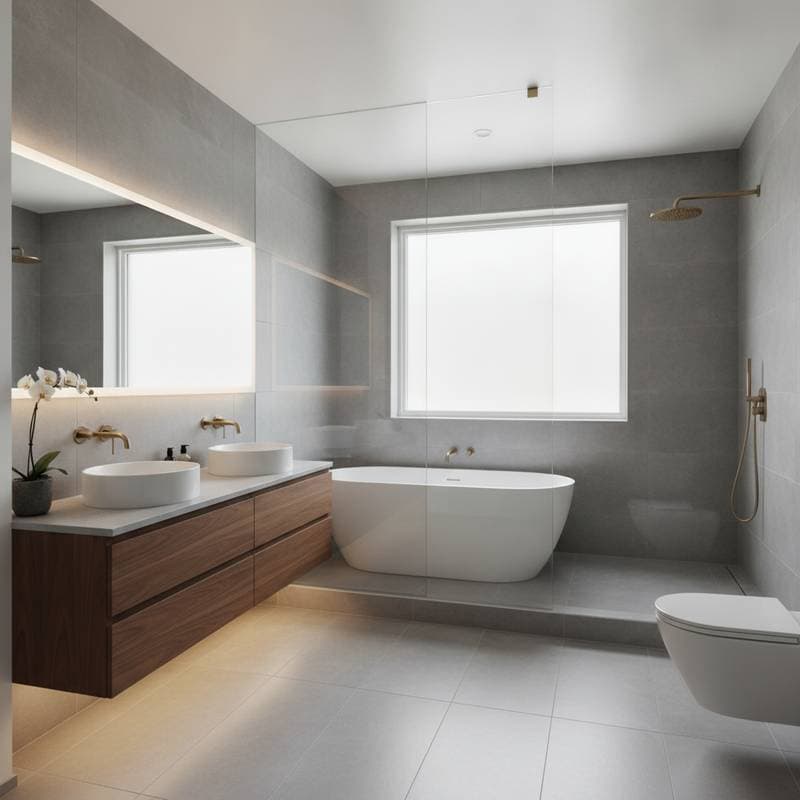
Popular design elements include large-format tiles for a seamless appearance, frameless glass partitions for subtle separation, and integrated lighting for ambiance. For added luxury, incorporate rain showerheads or body jets. Accessibility options, such as adjustable-height fixtures, enhance versatility without compromising style.
Costs vary based on scope and location. A basic conversion ranges from $10,000 to $20,000, covering waterproofing, tiling, and drainage modifications. Premium features like underfloor heating add $2,000 to $5,000. Labor constitutes 40 to 60 percent of the total, underscoring the importance of experienced installers. Budget for permits and potential plumbing relocations, which can increase expenses by 10 to 15 percent.
Maintenance Essentials
A properly constructed wet room requires minimal upkeep, yet regular attention prevents common issues like leaks or mildew growth. Establish a routine to maintain performance and longevity.
- Weekly tasks: Rinse walls and glass surfaces with water, then use a squeegee to remove soap residue and water spots.
- Monthly inspections: Examine grout lines and sealants for signs of wear or cracks; apply fresh sealant as necessary to preserve waterproofing.
- Annual reviews: Verify the floor's slope directs water efficiently to the drain; address any slow drainage, which may indicate clogs or membrane degradation.
- Every five years: Renew silicone seals around fixtures and reapply grout in high-traffic areas to counteract natural wear.
Warranty details:
Membrane systems typically provide 10-year protection against waterproofing failures when installed by certified professionals. Hardware components, such as faucets and drains, often include five-year guarantees against corrosion. Electric underfloor heating systems may offer lifetime coverage for electrical elements, provided installation follows manufacturer guidelines precisely.
Pitfalls to Sidestep
Avoiding errors during installation safeguards investment and ensures functionality. Many issues arise from overlooked fundamentals.
- Inadequate subfloor sloping: Water must drain effectively; flat surfaces lead to pooling and potential damage.
- Inappropriate wall substrates: Opt for cement board or waterproof foam panels instead of standard drywall to resist moisture.
- Incompatible materials: Use a single manufacturer's waterproofing kit to maintain warranty validity and system cohesion.
- Insufficient ventilation: Install a high-capacity exhaust fan designed for prolonged operation to control humidity levels.
- Omitted expansion joints: Account for tile movement due to temperature changes; proper gaps prevent grout cracking and tile displacement.
Neglecting these aspects invites costly repairs, such as mold remediation or structural fixes, which diminish the upgrade's benefits.
Strategic Timing for Installation
Timing influences both project success and financial outcomes. Align the renovation with broader home goals for optimal results.
- Prepare ahead of selling: Complete the wet room prior to listing; high-quality photos highlight its appeal and attract serious buyers.
- Monitor material costs: Delay if prices for tiles or imports rise; fluctuations can add thousands to the budget.
- Secure custom components early: Drains and specialty fixtures may require three to four weeks for delivery, so order promptly.
- Explore incentives: Investigate local programs offering rebates for water-conserving features, potentially offsetting 5 to 10 percent of costs.
Consult seasonal factors, such as avoiding peak renovation periods to secure better contractor availability.
Steps to Implementation
Transforming a bathroom into a wet room demands planning and professional input. Follow a structured approach to achieve a flawless outcome.
Begin with a thorough evaluation of the space, including drainage and structural assessments. Obtain detailed quotes from at least two licensed contractors, requesting breakdowns for materials, labor, and waterproofing.
For enhanced functionality, consider additions like radiant floor heating for warmth or linear drains for unobstructed flow. Select durable porcelain tiles in large formats to minimize seams and ease cleaning. Incorporate universal design elements, such as built-in benches, to broaden appeal.
The initial consultation or inspection, priced at $150 to $300, provides essential insights into subfloor conditions and drain positioning. This step informs precise design choices and budgeting, setting the foundation for a successful project.
Lasting Impact of Wet Rooms
A wet room transcends superficial renovation, delivering enduring safety, convenience, and market advantage. It adapts to evolving needs, from daily use to accommodating guests or family changes. In 2025, this upgrade positions homes as forward-thinking sanctuaries, blending innovation with practicality for sustained homeowner satisfaction.