Understanding the Grandmillennial Trend in 2025
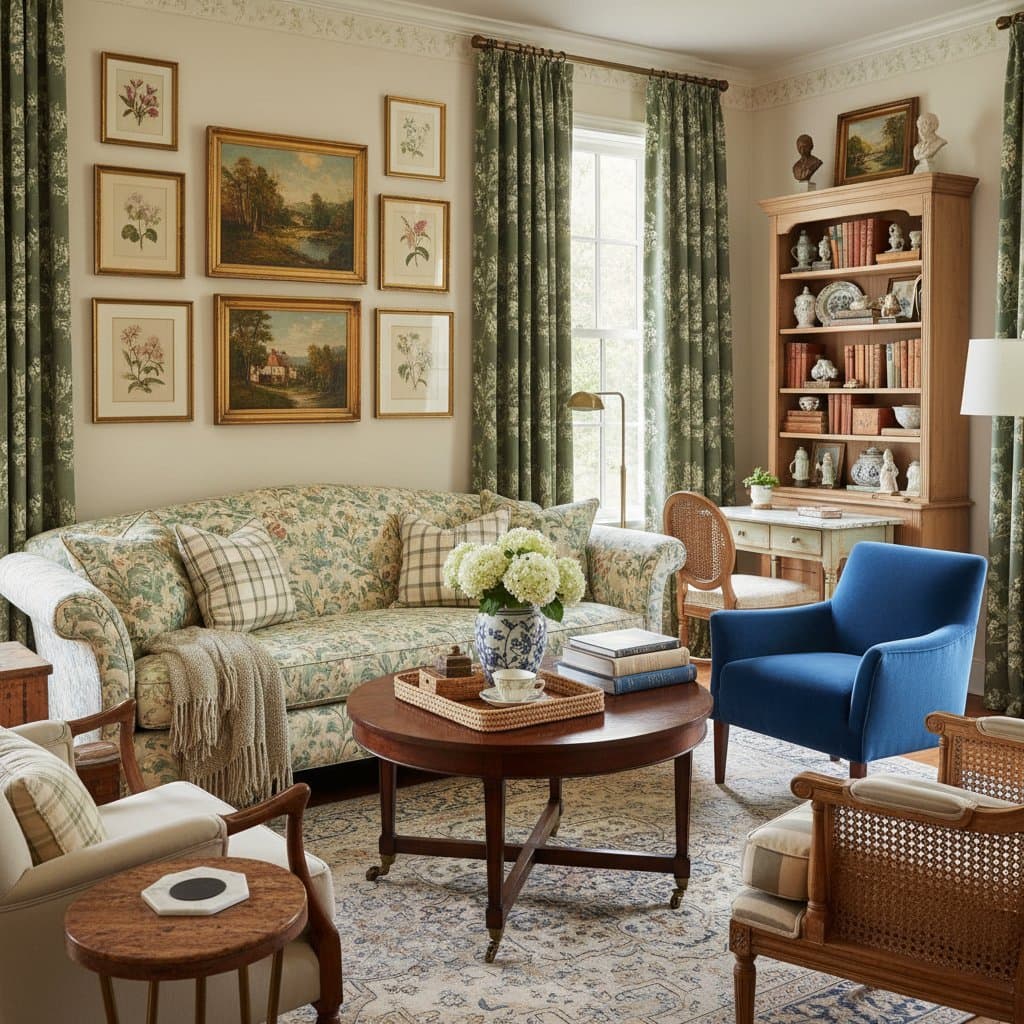
The grandmillennial style captures the essence of refined nostalgia, merging classic elements like floral patterns and ornate details with contemporary comfort. Homebuyers favor this approach for its ability to create inviting spaces that feel both timeless and personal. In 2025, this trend stands out for delivering high perceived value without excessive spending, making it ideal for updates that appeal to diverse tastes.
Expect to invest between $2,000 and $8,000 to transform an average-sized room into a grandmillennial haven. This range accounts for variations in material quality, labor involvement, and the extent of customization. Factors such as room size and sourcing strategy directly influence the final expense, allowing flexibility for different budgets.
Breaking Down the Costs
Costs in grandmillennial design stem from sourcing authentic or reproduction pieces that evoke heritage while ensuring durability. Budget allocation helps prioritize elements that yield the most visual and emotional impact. Below, examine key categories with specific estimates for a standard 200-square-foot living or dining area.
Materials and Furnishings
Vintage furniture forms the backbone of this style, offering unique character at varied price points. A restored armchair might cost $300 in fair condition, while a fully upholstered settee reaches $1,500 with premium fabric. Select pieces from estate sales or online marketplaces to stay within budget, focusing on solid wood frames that withstand daily use.
Fabrics play a crucial role in softening spaces and adding pattern. Patterned cottons for curtains run $40 per yard, whereas luxurious velvets climb to $90 per yard for intricate designs. Trim like tassels or braids adds $10 to $20 per yard, enhancing details without overwhelming the overall scheme.
Lighting and accessories complete the layered look. Reproduction brass table lamps start at $150, providing warm glows that highlight textures. Ceramic vases or brass candlesticks range from $200 to $600, chosen for their subtle patina that ages gracefully over time.
Labor and Custom Elements
Professional labor ensures precision in elements that demand skill. Reupholstering a large chair or sofa typically costs $600 to $1,200, covering fabric application and foam replacement for comfort. This investment pays off in pieces that maintain shape and appeal for years.
Wallpaper installation, a hallmark of grandmillennial walls, averages $3 to $6 per square foot. This includes surface preparation, adhesive application, and seam alignment to prevent bubbling. For a 150-square-foot room, anticipate $450 to $900, plus materials at $20 to $50 per roll.
Custom work like drapery sewing adds $500 to $1,500 per window treatment. Tailors handle pleating and lining to block light effectively while preserving fabric integrity. These details elevate the room's sophistication and functionality.
Scope, Room Size, and Additional Expenses
Smaller spaces, such as a powder room or reading nook, refresh for under $3,000 by focusing on wallpaper and a single statement piece. Larger areas, like combined living and dining rooms, escalate to $8,000 or more with full millwork and multiple upholstery projects. Scale ambitions to match available funds and desired outcome.
Permits rarely apply to pure decor updates, but structural changes like electrical wiring for new lighting fixtures require licensed electricians at $100 to $200 per hour. Prep work, including priming walls or repairing plaster, adds $200 to $500 depending on existing conditions.
Always reserve 10 to 15 percent of the budget for unforeseen issues. Delays in fabric delivery from international suppliers or restoration needs for antiques can inflate costs. This buffer maintains project momentum without financial strain.
Balancing DIY and Professional Efforts
Grandmillennial projects benefit from a mix of personal involvement and expert input, optimizing both cost and quality. Assess skills honestly to decide where to invest time versus hiring help. This approach maximizes savings while minimizing errors.
Opportunities for DIY
Tackle painting walls in soft pastels or hanging wallpaper if you possess steady hands and basic tools. These tasks save 30 percent over professional rates and allow customization, such as stenciling borders for added flair. Styling open shelves with collected antiques requires only an eye for symmetry, achievable in a weekend.
Small upholstery repairs, like creating slipcovers for ottomans, suit those with sewing experience. Use a staple gun for tufting cushions, ensuring even tension to mimic high-end results. Ownership of tools like levels and sanders facilitates these efforts without extra purchases.
When to Engage Professionals
Delegate electrical modifications, such as installing pendant lights over a dining table, to certified experts for safety and code compliance. Millwork, including crown molding installation, demands precision to avoid gaps or uneven lines that detract from the aesthetic.
Long-term upholstery projects warrant professional seamstresses to guarantee durability. Their techniques prevent sagging and fading, extending piece lifespan to a decade or beyond. This choice enhances resale value by signaling quality craftsmanship.
Weighing Skills and Risks
DIY initiatives cut expenses by 20 to 40 percent, fostering a sense of accomplishment in the finished space. However, inadequate preparation, such as skipping primer on walls, leads to peeling finishes that halve the decor's longevity. Professionals mitigate these pitfalls, delivering results that impress potential buyers and stand the test of time.
Ensuring Longevity Through Maintenance
Proper care preserves the investment in grandmillennial elements, keeping rooms fresh and functional. Establish routines that align with material needs to avoid premature wear. This proactive stance extends the style's appeal across seasons and years.
Upholstery demands weekly vacuuming to remove dust, with cushion rotation every month to distribute use evenly. Apply protective sprays annually to guard against sunlight-induced fading, selecting formulas safe for natural fibers. Spot clean spills immediately with mild soap solutions to prevent stains from setting.
Wood pieces benefit from quarterly polishing using non-silicone wax, applied in thin layers to nourish surfaces and prevent drying cracks. Avoid excess moisture during cleaning to maintain structural integrity. For antiques, consult specialists for periodic assessments to address hidden issues early.
Wallpaper maintenance involves gentle wiping with a damp microfiber cloth, steering clear of harsh chemicals that damage adhesive. In humid areas, ensure good ventilation to inhibit mold growth behind panels. Lighting fixtures require bulb replacements with soft-white LEDs every six months, preserving the warm ambiance without heat damage.
Quality installations yield impressive durability: drapery and upholstery endure 10 to 15 years under normal conditions, while wallpaper remains intact for 8 to 12 years before potential edge lifting. Warranties on reupholstery cover seams and foam for 3 to 5 years, providing reassurance during the initial period.
Implementing Your Grandmillennial Vision
Begin by selecting a single room to serve as your showcase, such as a living area or bedroom retreat. Draw inspiration from balanced classic designs that emphasize harmony over excess. Establish a cohesive color palette of neutrals accented by jewel tones early, guiding all subsequent choices.
Precise measurements prevent costly mistakes in custom orders; double-check dimensions for drapery rods and wallpaper rolls. If funds limit scope, prioritize textiles like curtains and rugs alongside statement lighting, as these elements transform ambiance instantly.
Source vintage items through local auctions or reputable dealers to secure authentic pieces at fair prices. Layer textures thoughtfully, combining woven rugs with embroidered pillows for depth without chaos. Integrate modern forms, such as sleek side tables, to ground the traditional motifs in everyday usability.
Safety remains paramount: secure heavy fixtures properly and use non-toxic materials in occupied spaces. Patience in curation rewards with a space that evolves naturally. Through disciplined budgeting, thoughtful sourcing, and meticulous execution, grandmillennial design delivers enduring warmth and elevates your home's market position.