Enhance Home Value by 11% with Doorless Wet Room Showers
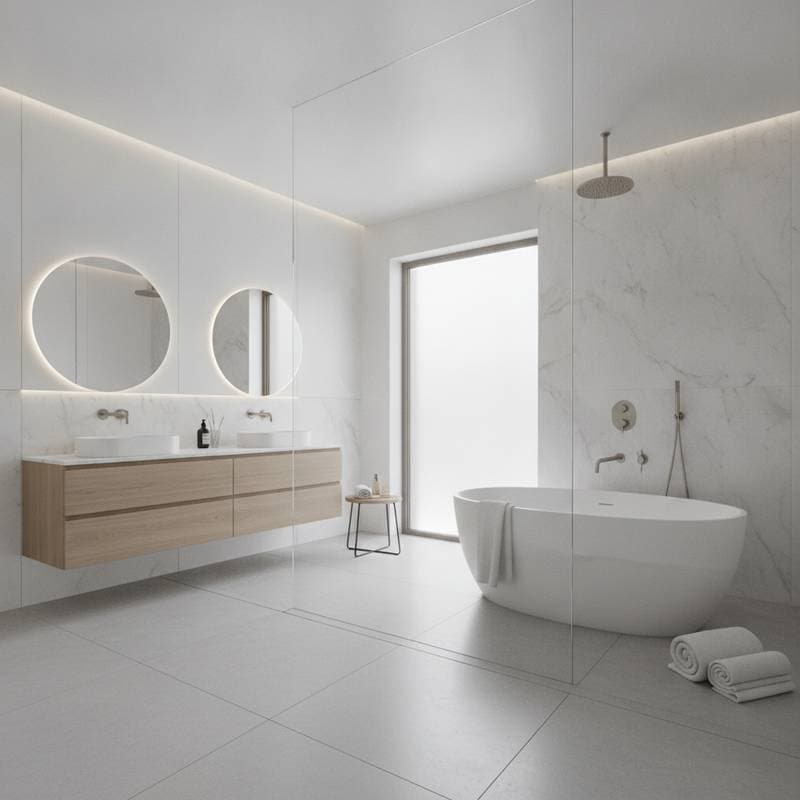
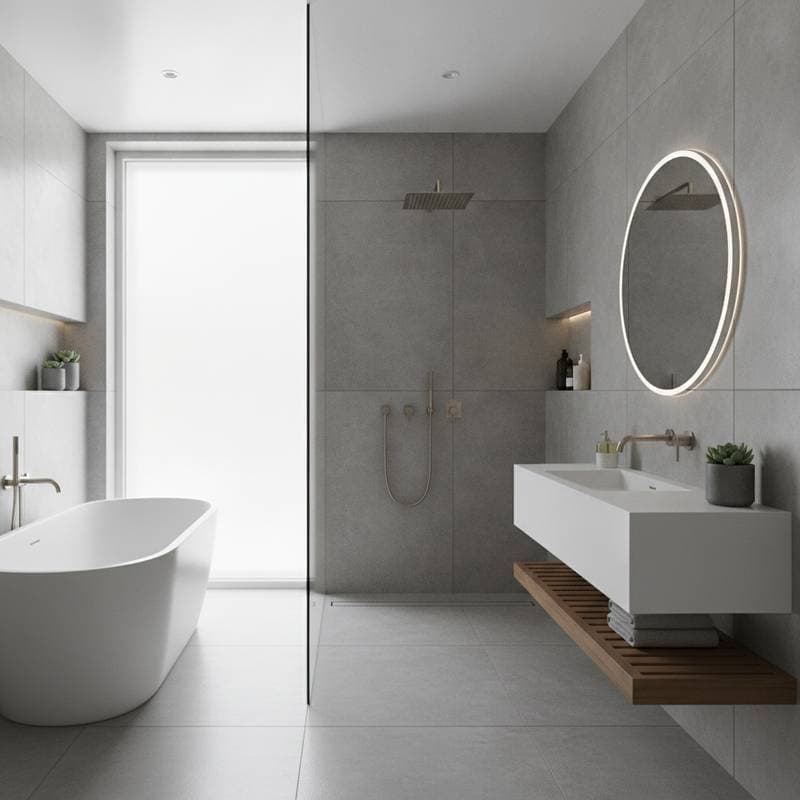
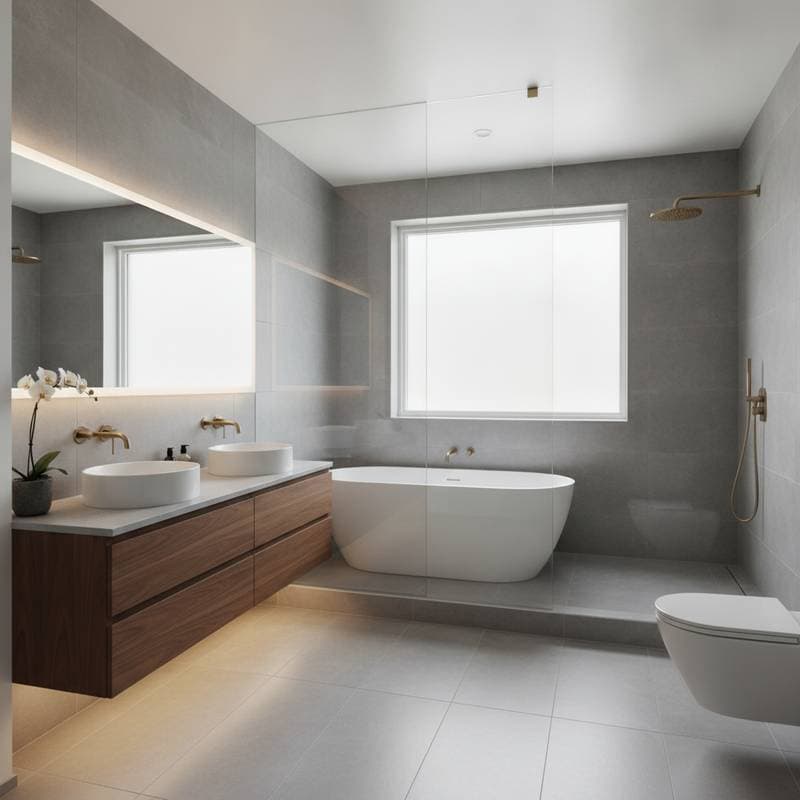
Doorless wet room showers represent a transformative upgrade for any bathroom, capable of increasing a home's overall value by as much as 11%. This modern design choice appeals to a wide range of buyers due to its sleek aesthetics, universal accessibility, and adaptability to both compact and expansive spaces. Homeowners who invest in this feature often report heightened buyer interest, as the open layout conveys luxury and forward-thinking functionality.
The appeal stems from the seamless integration of the shower area into the bathroom floor, eliminating traditional barriers like curbs or doors. This not only enhances visual flow but also promotes ease of movement, making it particularly valuable in aging-in-place renovations. Real estate experts note that such updates align with current trends toward minimalist, spa-like retreats, directly contributing to perceived property worth.
Understanding the Doorless Wet Room Shower
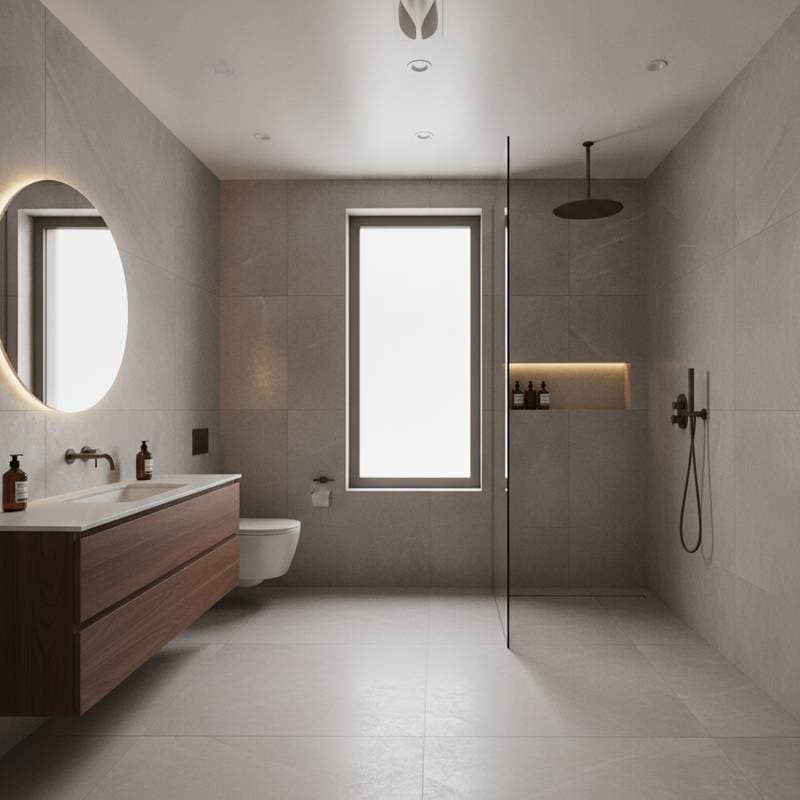
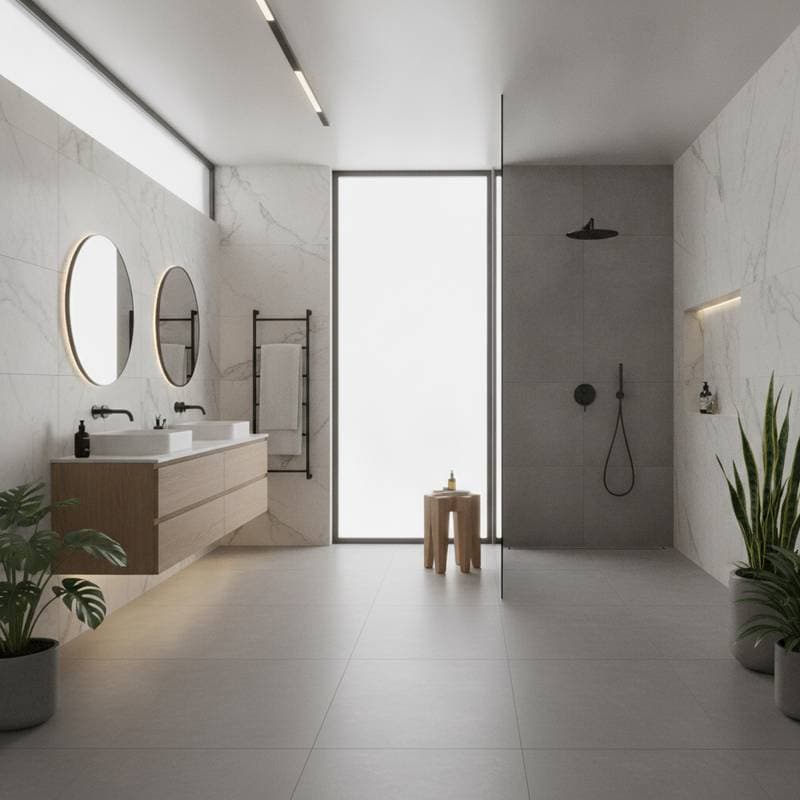
A doorless wet room shower forms part of a fully waterproofed bathroom environment where the shower zone merges imperceptibly with the surrounding floor. Without a raised threshold or enclosing door, water flows freely across a gently sloped surface toward an integrated drain, ensuring efficient drainage without pooling. This configuration fosters an airy, expansive atmosphere reminiscent of high-end hotel spas.
Key elements include a level-entry floor, robust waterproof barriers, and strategically placed fixtures to minimize water escape. The design prioritizes safety through slip-resistant materials and thoughtful drainage, while its versatility suits various architectural styles, from urban lofts to suburban homes. For those considering this upgrade, recognizing these components lays the foundation for a successful implementation.
Detailed Steps for Constructing a Doorless Wet Room Shower
Successful installation begins with meticulous planning to align the shower with existing plumbing and spatial constraints. Select a location, such as a corner or along a wall, that allows for unobstructed water flow and adequate clearance. Sketch the layout, indicating the drain position and slope direction, to visualize how the space will function daily.
Next, address waterproofing as the critical safeguard against moisture damage. Apply a high-quality waterproof membrane to all walls up to at least six feet and the entire floor surface, overlapping seams meticulously to create a continuous barrier. Liquid-applied systems offer flexibility for irregular surfaces, while sheet membranes provide durability in high-traffic areas; consult local building codes to ensure compliance.
Establishing the proper floor slope requires precision, typically a quarter-inch drop per linear foot toward the drain. Professionals use laser levels to achieve this gradient, preventing water stagnation that could lead to slips or structural issues. For DIY enthusiasts, rent specialized tools to verify evenness, but consider hiring for this step if experience is limited.
Install the drainage system early in the process, choosing between a linear drain along the wall for a streamlined look or a central point drain for balanced flow. Linear options simplify tiling patterns and reduce visible seams, enhancing the seamless aesthetic. Secure the drain assembly firmly, testing connections for leaks before proceeding.
Tiling follows once the base is prepared, selecting large-format, non-slip porcelain tiles that minimize grout lines and ease cleaning. Lay tiles in a running bond pattern for stability, using spacers to maintain uniformity, and apply sealant to all joints. Opt for rectified edges on tiles to achieve tighter fits, contributing to the polished, barrier-free appearance.
Finalize with fixtures that complement the minimalist design, such as rain showerheads mounted on the ceiling or wall-mounted controls for unobtrusive operation. Incorporate thermostatic valves to maintain consistent water temperature, reducing scalding risks. These elements not only elevate functionality but also underscore the room's luxurious intent.
Comprehensive Cost Breakdown
Understanding expenses helps budget effectively for this renovation. The table below outlines typical costs based on standard projects in urban areas.
| Task | Typical Cost Range | Factors Influencing Price |
|---|---|---|
| Design and Planning | $500 - $1,500 | Project scale, custom layouts, consultations |
| Waterproofing and Drain | $1,000 - $3,000 | Membrane type, drain complexity, materials |
| Tiling and Labor | $2,000 - $6,000 | Tile variety, installation intricacy, labor rates |
| Fixtures and Finishes | $800 - $2,500 | Brand quality, fixture specifications, hardware |
| Total Project | $4,300 - $13,000 | Location, permits, unforeseen adjustments |
Regional variations significantly impact totals; for instance, higher labor costs in coastal cities can add 20% to estimates. Material choices, such as premium imported tiles versus domestic options, further influence outlays. Always obtain multiple quotes to identify value-driven providers.
Project Timeline Expectations
Most doorless wet room installations span 7 to 14 days, depending on scope and unforeseen challenges. Initial demolition and preparation consume the first two days, followed by waterproofing and slope setting over the next three. Tiling and fixture integration require another three to five days, with final sealing and inspections rounding out the schedule.
Delays often arise from curing times for membranes, which demand 24 to 48 hours, or custom orders for specialized drains. In multi-story homes, coordinating with plumbers to avoid disrupting household routines extends timelines. Plan for minimal bathroom access during peak construction, arranging temporary facilities if necessary.
Evaluating DIY Versus Professional Installation
DIY approaches suit experienced renovators confident in handling waterproofing and precise sloping. Simple conversions, where plumbing aligns with the new layout, minimize risks and keep costs down. Gather all tools in advance and follow manufacturer guidelines strictly to avoid costly errors.
Professional involvement proves essential for complex scenarios, including major plumbing reroutes or adherence to stringent local codes. Licensed contractors provide warranties, often covering labor and materials for up to five years, offering peace of mind against defects. They also navigate permit processes efficiently, ensuring the project passes inspections without rework.
In regions with rigorous waterproofing regulations, pros mitigate liability through certified practices. Weigh your skill level against the investment; a flawed installation could lead to mold growth or water damage, negating the value boost.
Essential Tools and Materials List
Assemble these items for a smooth process:
- Waterproof membrane sheets or liquid-applied sealant
- Tile cutter, wet saw, and spacers for precise cuts
- Non-slip porcelain or ceramic floor tiles
- Laser level, trowel, and mixing bucket for slope and adhesion
- Linear or point drain kit with appropriate fittings
- Silicone-based sealant and grout in waterproof formula
- Grout float, sponge, and sealing applicator
Source materials from reputable suppliers to guarantee quality, checking for certifications like slip resistance ratings.
Considerations for Regional Climates and Regulations
Adapt the design to local conditions for optimal performance. In colder regions, integrate underfloor heating systems to prevent tile chill, using electric mats compatible with waterproof setups. This addition enhances comfort without compromising the level floor.
Humid climates demand robust ventilation, such as high-CFM exhaust fans with humidity sensors to expel steam promptly and curb mold. Verify local ordinances; many municipalities mandate permits for drain modifications or full remodels, with fines for non-compliance. Engage a local inspector early to clarify requirements.
Prioritizing Safety and Accessibility Features
The barrier-free nature of doorless showers inherently improves safety, particularly for individuals with limited mobility. Install fold-down grab bars in strategic positions, anchored into wall studs for stability. Select tiles with a high coefficient of friction, tested to exceed 0.6 for wet conditions.
Position electrical outlets and lighting with GFCI protection, maintaining distances from water sources per code. For families, incorporate anti-scald devices on faucets. These measures not only protect users but also broaden the home's appeal to diverse buyers, reinforcing the value proposition.
Expert Recommendations for Optimal Results
Conduct a 24-hour flood test post-waterproofing but pre-tiling, filling the sloped area to simulate usage and inspect for leaks. Lighter grout shades visually expand the space, while darker options hide dirt in high-use zones. Designate a three-foot buffer behind the showerhead to contain spray, using optional glass panels if splash concerns persist.
Align tile patterns with adjacent flooring for continuity, employing matching grout to blur transitions. Consult color theory when selecting palettes; neutrals promote timelessness, while bold accents add personality. Document the process with photos for future reference or warranty claims.
Frequently Asked Questions
Will a doorless shower lead to excessive water splashing? Proper execution minimizes this; a consistent quarter-inch per foot slope directs water efficiently to the drain, with well-placed fixtures further containing flow.
Which tiles offer the best performance? Porcelain tiles with textured surfaces provide superior grip and water resistance, available in various sizes to suit aesthetic preferences.
Is a small bathroom suitable for conversion? Absolutely, provided the entire floor receives waterproofing and sloping; compact linear drains maximize space without visual clutter.
How does this upgrade affect resale? Appraisers recognize the modernity and accessibility, often citing it as a premium feature that justifies the 11% value increase in comparable markets.
Realizing the Full Potential of Your Upgrade
Implementing a doorless wet room shower extends beyond aesthetics to deliver tangible benefits in usability and market positioning. This investment yields immediate enjoyment through a refined daily routine, while positioning your property favorably in competitive sales. Focus on quality execution to maximize returns, transforming a standard bathroom into a standout asset that resonates with discerning buyers.