The Rise of Moody Interiors: How Dark Walls Enhance Home Value by 6 Percent
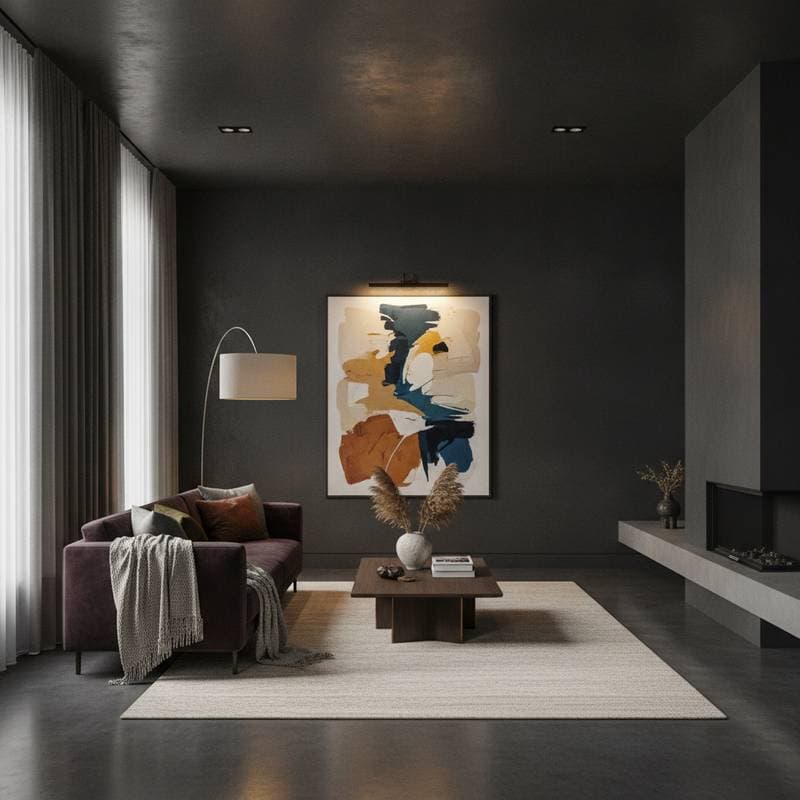
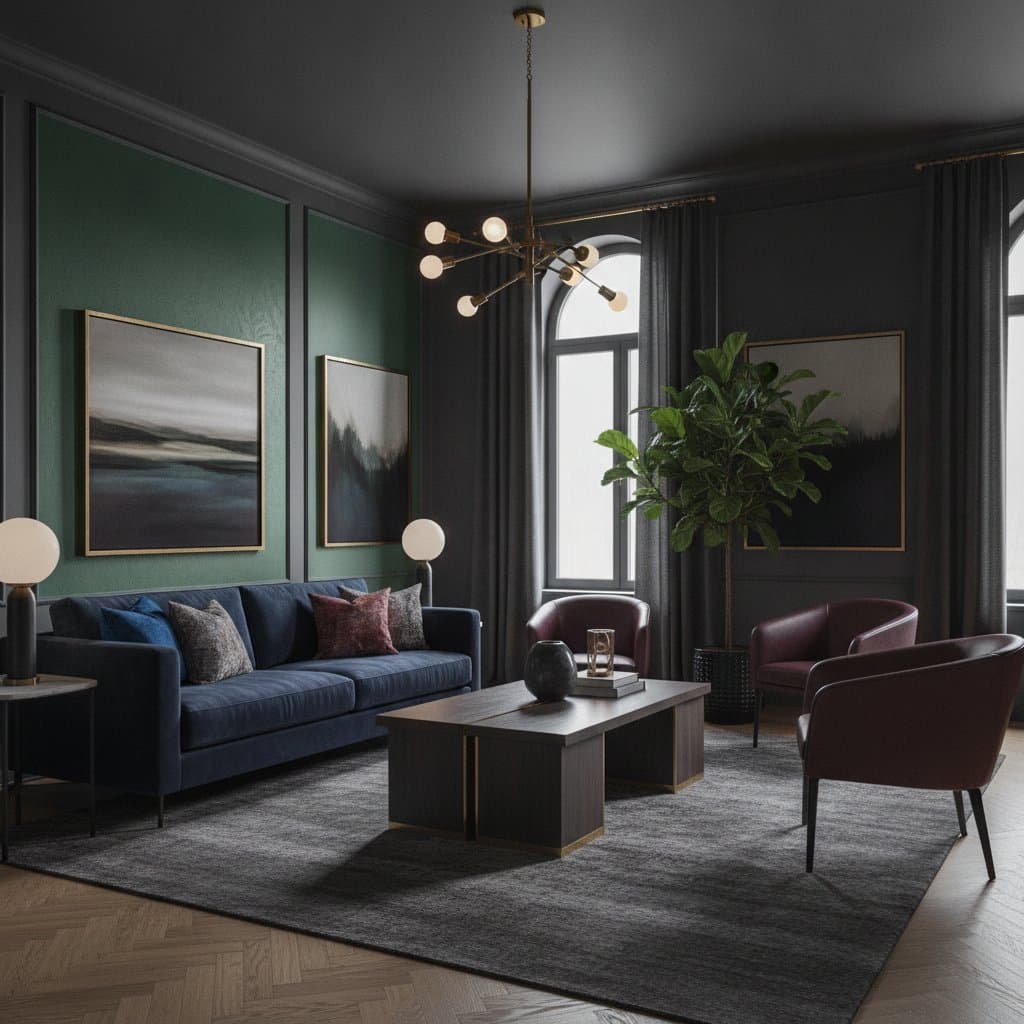
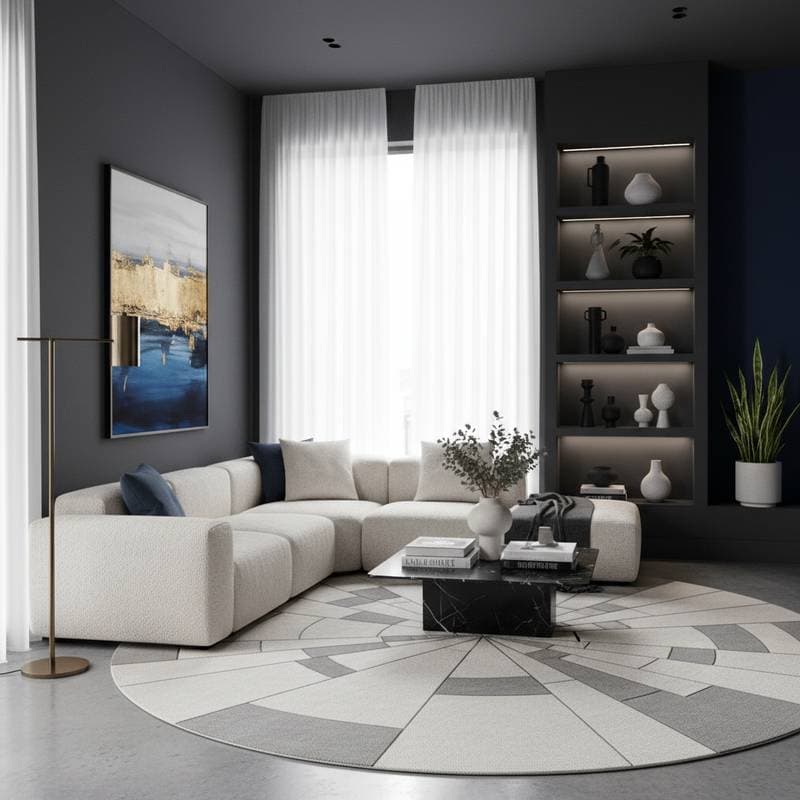
Dark wall colors have emerged as a powerful trend in residential design. Homeowners who incorporate these moody tones often see their properties sell for approximately 6 percent more than comparable homes with lighter palettes. This increase stems from the sophisticated, contemporary appeal that deep hues provide, aligning with buyer preferences for spaces that feel layered and inviting.
The shift toward darker interiors reflects broader changes in aesthetic tastes. Modern design emphasizes contrast, texture, and emotional depth, which dark walls deliver effectively. These colors create a sense of enclosure and luxury, particularly in homes where natural light can be balanced with strategic illumination. For sellers, this approach signals thoughtful curation, attracting discerning buyers who value ambiance over stark minimalism.
Studies from real estate analyses indicate that properties with bold interior features, including dark walls, command premium prices in competitive markets. The key lies in execution: when applied thoughtfully, these colors elevate perceived quality without overwhelming the space. Homeowners considering this update should evaluate their property's architecture and lighting to maximize the effect.
Benefits and Drawbacks of Dark Wall Colors
Dark walls offer several advantages that contribute to both daily living and market appeal. They transform ordinary rooms into focal points of style and comfort.
Key Benefits
- Elevates Perceived Value: The luxurious finish mimics high-end hotel or gallery aesthetics, suggesting meticulous attention to detail and potentially justifying a higher asking price.
- Enhances Depth and Interest: Deep tones add dimension to flat surfaces, making spaces feel more dynamic and engaging, especially when paired with neutral furnishings.
- Conceals Imperfections: Unlike light paints that highlight every blemish, dark shades mask scuffs, dents, and minor cracks, reducing the need for extensive surface preparation.
- Complements Diverse Materials: These colors harmonize with natural elements like wood flooring, metal fixtures, and stone countertops, creating cohesive, timeless interiors.
- Adapts to Various Styles: Dark walls suit minimalist modern setups as well as eclectic or traditional arrangements, offering versatility for different homeowner preferences.
Despite these strengths, dark walls present challenges that require planning.
Potential Drawbacks
- Highlights Dust and Smudges: Particles and handprints become more visible on darker surfaces, necessitating more frequent cleaning to maintain a polished appearance.
- Demands Precise Lighting: Poorly lit rooms can appear dim or oppressive; supplemental fixtures are often essential to prevent a claustrophobic atmosphere.
- Complicates Touch-Ups: Matching exact shades for repairs proves difficult over time, as fading or environmental factors alter the color slightly.
- Affects Spatial Perception: In compact areas, dark tones can make walls seem closer, potentially diminishing the sense of openness unless offset by mirrors or light accents.
- Requires Thorough Preparation: Achieving uniform coverage demands multiple primer coats and skilled application to avoid patchiness or bleed-through.
DIY Painting Versus Professional Services
Painting dark walls involves moderate to high difficulty due to the paint's opacity and tendency to reveal application flaws. A standard 12-by-12-foot room typically requires 4 to 8 hours of active work, plus drying time between coats.
Essential tools include high-quality foam rollers for smooth coverage, angled sash brushes for edges, painter's tape for clean lines, drop cloths for protection, a tinted primer, and at least two coats of premium paint. Budget for materials ranges from $100 to $300 for DIY projects, depending on room size and paint quality.
When DIY Makes Sense
- Walls feature smooth, clean surfaces with no major repairs needed.
- You possess prior experience in precise edging and rolling techniques.
- Ambient lighting permits clear visibility of overlaps or thin spots during application.
In these scenarios, DIY allows for cost savings and personal control over the process. Start by sanding glossy areas, applying primer, and testing a small section to gauge color accuracy.
When to Hire Professionals
- High ceilings, textured walls, or structural repairs demand specialized equipment and expertise.
- A flawless, streak-free result is crucial for resale staging.
- Specialty finishes, such as matte velvet or low-sheen eggshell, require advanced handling to achieve even results.
Professional services cost $500 to $1,500 per room, including labor and materials. Experts excel at selecting sheens that interact optimally with room lighting, minimizing shadows and ensuring durability. They also handle permitting if local regulations apply.
Longevity, Care, and Upkeep
With appropriate maintenance, dark walls maintain their vibrancy for 5 to 10 years. Premium paints from reputable brands resist fading and chipping when applied over properly primed surfaces.
Cleaning involves gentle wiping with a solution of mild soap and warm water; steer clear of harsh chemicals that could dull the finish. For spot repairs, use a small foam roller dipped lightly in paint to blend seamlessly and preserve uniform sheen.
Matte and eggshell sheens prove most forgiving, as they diffuse light and obscure everyday wear better than semi-gloss options. Many manufacturers offer warranties covering defects like peeling, provided installation follows guidelines. Regular inspections help catch issues early, extending the paint's service life.
Regional Considerations for Optimal Results
Environmental factors influence paint selection and performance, ensuring the finish withstands local conditions.
- High-Humidity Areas: Opt for mildew-resistant paints with antimicrobial additives to prevent mold growth in bathrooms or kitchens.
- Coastal Environments: Apply primers designed for salt-air resistance on trim and hardware to avoid corrosion and discoloration.
- Arid Climates: Select formulas with elastic binders that accommodate expansion and contraction, reducing crack formation from dry heat.
- Cold Regions: Allow extended curing periods with adequate ventilation to facilitate proper drying and adhesion in low temperatures.
Urban regulations may mandate low-VOC or zero-emission paints for indoor use, promoting healthier air quality. Consult municipal building codes and supplier specifications before purchasing to comply and select durable products.
Essential Safety Practices
While painting poses minimal hazards, adherence to protocols minimizes risks during the project.
Ventilate the workspace thoroughly by opening windows and using fans, especially with oil-based products; a respirator mask provides additional protection against fumes. Secure outlets, switches, and furniture with covers and tape to avoid electrical issues or spills.
Position ladders on stable, level surfaces and use extension poles for reach without overextending. Keep the area free from ignition sources, as paint vapors can be flammable. Follow disposal guidelines for rags, brushes, and leftover paint through designated hazardous waste facilities.
For homes built before 1978, test surfaces for lead content before sanding or scraping; professional abatement services ensure safe handling if present.
Selecting and Applying Dark Colors Effectively
To realize the full 6 percent value uplift, choose colors that harmonize with your home's architecture. Popular options include charcoal gray for versatile neutrality, navy blue for calming depth, and deep emerald for organic warmth. Test samples on multiple walls, observing them under morning, afternoon, and evening light to account for tonal shifts.
Focus on rooms with good natural light, such as living areas or entryways, where dark walls create dramatic impact without overwhelming. Accent walls serve as low-commitment entry points, allowing experimentation before full-room commitment.
Steps to Implement Your Dark Wall Project
Begin by assessing the space: measure square footage, evaluate lighting, and decide on one or two complementary hues. Gather supplies, including primer matched to the paint color for better opacity.
Prepare surfaces by cleaning, patching holes, and sanding uneven spots. Apply primer and allow full drying, then proceed with two thin coats of paint, working from top to bottom. Step back frequently to check for consistency.
If outsourcing, solicit quotes from at least three licensed contractors, specifying desired sheen, brand, and prep standards. Review portfolios for similar dark-paint projects to gauge quality.
Realizing Lasting Value Through Thoughtful Design
A well-executed dark wall scheme fosters an atmosphere of refined comfort that endures. It not only boosts resale potential by appealing to buyers who prioritize style but also enriches daily living with subtle elegance. Invest in quality materials and precise application to secure these benefits for years ahead.