Why Wet Rooms Lead 2026 Bathroom Trends
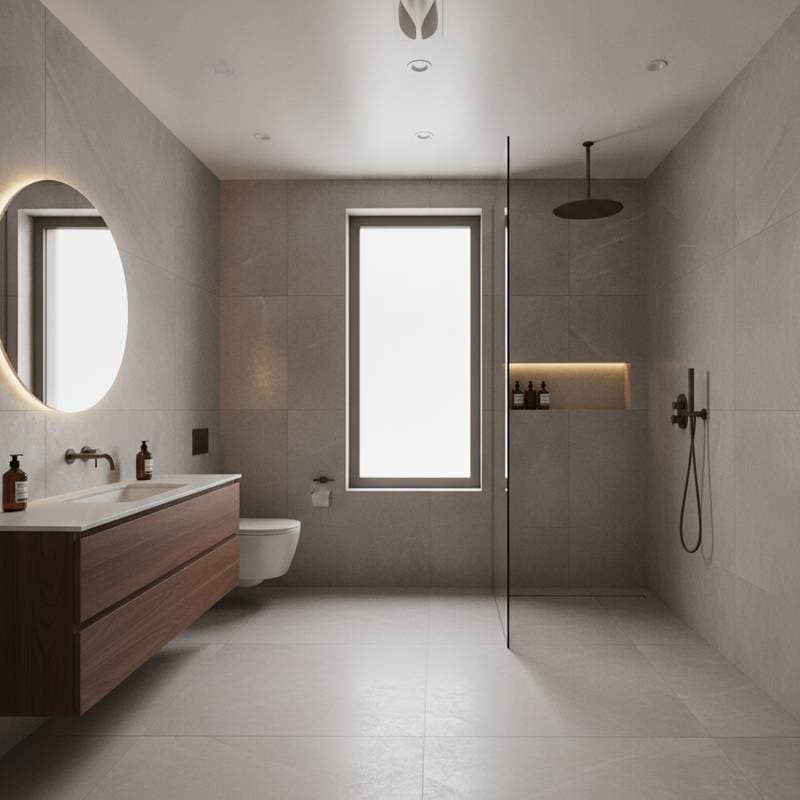
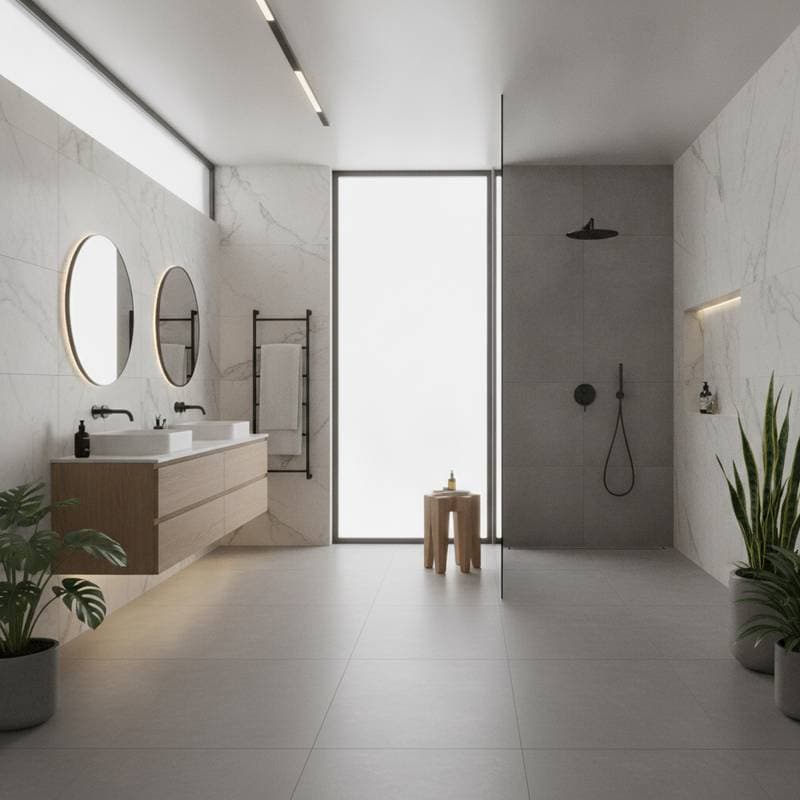
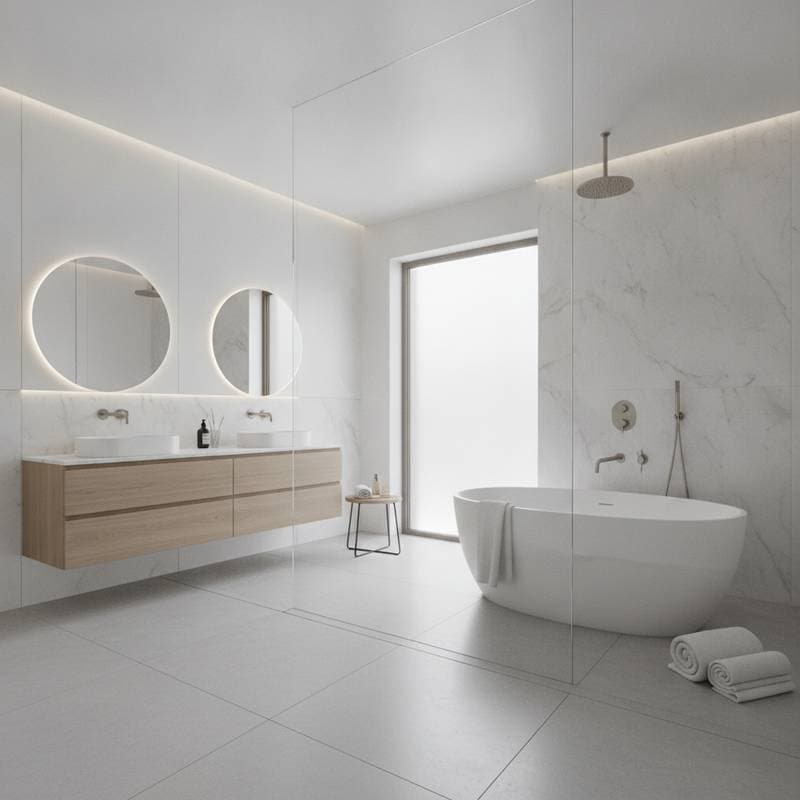
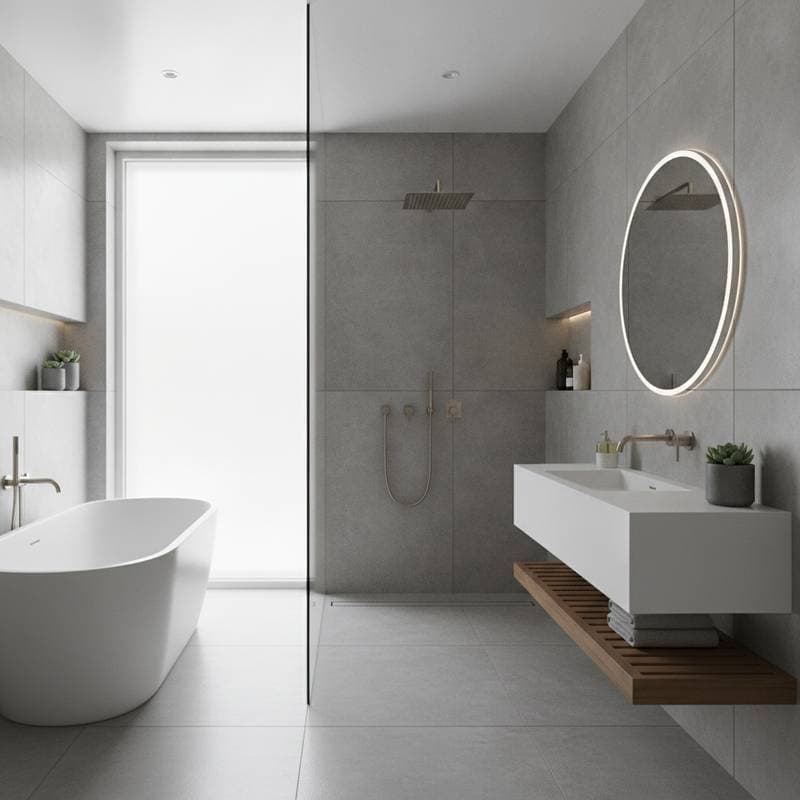
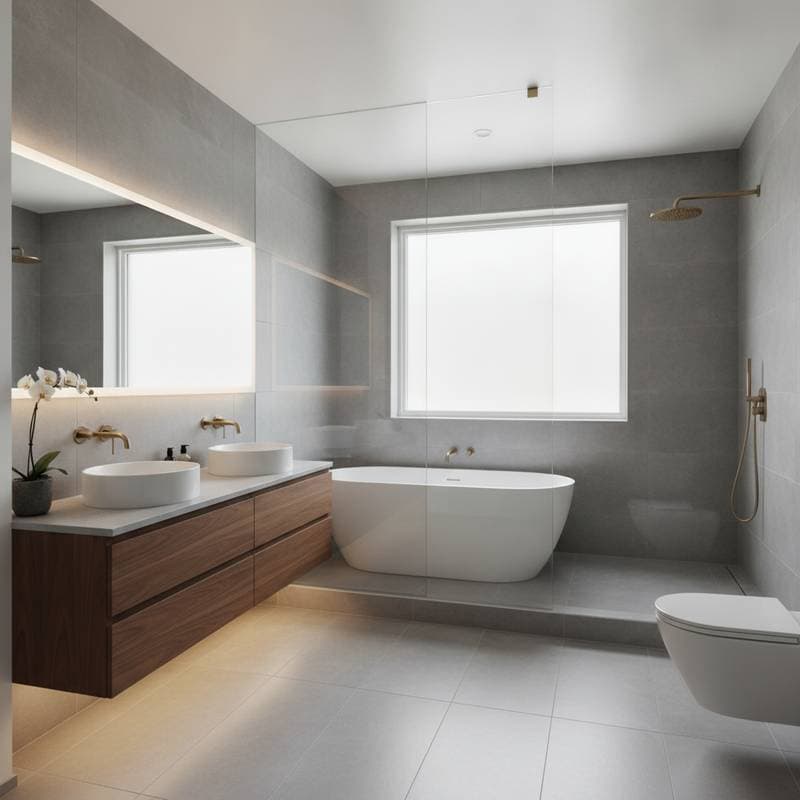
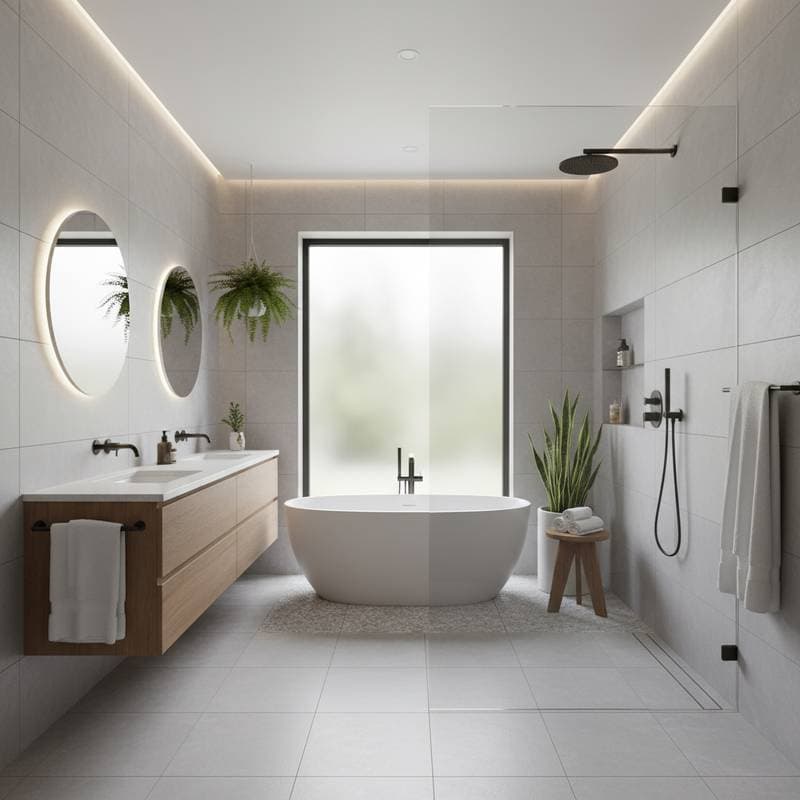
Wet rooms feature fully waterproofed spaces with level floors, open shower areas, and integrated drainage systems that eliminate the need for trays or enclosures. This approach delivers a streamlined appearance ideal for urban apartments or expansive contemporary residences. Property owners select wet rooms to achieve minimalist designs, simplify cleaning routines, and accommodate varying mobility needs.
Consider a wet room for projects seeking an unobstructed layout or barrier-free access, particularly during renovations of dated bathrooms or preparations to increase property appeal prior to sale.
Advantages and Drawbacks
Advantages
- Enhances perceived space. The absence of curbs or enclosures opens up the room visually.
- Simplifies cleaning efforts. Seamless surfaces minimize grout lines and mold-prone crevices.
- Supports universal accessibility. Level entry benefits individuals across all ages and physical abilities.
- Elevates contemporary style. This feature signals premium quality and enduring sophistication to potential buyers.
- Optimizes compact areas. It integrates efficiently into smaller bathroom footprints without sacrificing functionality.
Drawbacks
- Involves elevated initial investment. Specialized waterproofing and drainage components drive up expenses.
- Demands meticulous execution. Installation mistakes may lead to water infiltration or structural complications.
- Necessitates robust humidity management. Adequate airflow systems prove essential to prevent excess moisture.
- May require structural adaptations. Vintage properties often need subfloor reinforcements.
- Presents thermal challenges. Ceramic or stone flooring benefits from underfloor heating to counter chill.
Professional Installation Versus DIY Approaches
Wet room projects demand expertise in plumbing, membrane application, and tile setting, rendering them unsuitable for novices. Leaks pose significant hazards, and adherence to local regulations typically mandates professional involvement.
DIY complexity level: Advanced
Professional timeline: Four to seven days
Essential equipment: Wet tile cutter, notched trowel, liquid-applied waterproofing membrane, spirit level, offset drain assembly
Potential hazards: Water seepage, inadequate drainage pitch, membrane failure, subsequent mold proliferation
Engage a certified specialist if unfamiliar with floor preparation or sealing techniques. Professionals guarantee the precise 1/4-inch-per-foot slope toward the drain and full regulatory compliance.
Upkeep and Durability
With diligent maintenance, wet rooms endure 20 to 30 years. Focus efforts on drain hygiene and sealant integrity to sustain performance.
Daily and periodic tasks
- Dry surfaces promptly post-shower to avert residue accumulation.
- Remove debris from strainers each week.
- Apply fresh grout sealant annually or biennially.
- Inspect for tile shifts or fissures regularly.
- Operate exhaust fans consistently to regulate vapor levels.
Certified installations often include 10- to 15-year guarantees on membranes and drains. Retain records for warranty activations and enhanced marketability.
Regional Influences on Design and Cost
Environmental conditions, regulatory standards, and workforce expenses shape wet room feasibility and budgeting.
In cooler regions: Incorporate hydronic underfloor systems to boost warmth and curb moisture buildup.
In high-humidity zones: Integrate exhaust fans with humidity sensors alongside dehumidifying units.
Near saltwater environments: Select marine-grade hardware and penetrating sealants for fixtures.
In historic structures: Plan for joist reinforcement and enhanced vapor barriers.
In metropolitan settings: Account for premium labor charges and expedited permitting processes.
Consult jurisdiction-specific guidelines. Certain municipalities mandate pre-tiling evaluations of gradient, fixture positioning, and barrier efficacy.
Investment Return and Market Value
Wet rooms recoup 50 to 70 percent of installation expenses upon resale. Prospective purchasers prioritize updated, inclusive bathing areas that convey upscale refinement.
Primary-level wet rooms particularly attract downsizing seniors or families planning extended occupancy. Resilient finishes and effortless care features safeguard long-term equity.
To optimize financial gains, opt for versatile palettes and ample illumination. Steer clear of bold, trend-sensitive motifs that risk obsolescence.
Essential Safety Measures
Robust sealing and electrical safeguards form the foundation of secure wet rooms.
Critical implementation steps
- Retain qualified plumbers and certified electricians for all phases.
- Position GFCI-protected receptacles within 36 inches of water sources.
- Equip with moisture-activated fans to mitigate slick surfaces from vapor.
- Source membranes compliant with ANSI A118.10 for proven impermeability.
- Achieve a 1 to 2 percent declivity to direct flow and eliminate puddles.
Conduct a 24-hour flood simulation prior to surfacing. Identifying flaws at this stage avoids extensive future interventions.
Frequently Asked Questions
How does a wet room differ from a traditional walk-in shower?
Wet rooms encompass the entire bathroom as a watertight zone with no partitions, allowing water to flow freely across the floor. Walk-in showers, by contrast, rely on curbs, doors, or screens to confine spray within a designated zone.
Is a wet room feasible for a compact bathroom?
Absolutely. Space-saving configurations employ fold-down benches, targeted spray heads, and optional low-profile glass to direct water while preserving openness. Effective sloping and air circulation maintain usability.
Is underfloor heating mandatory for wet rooms?
It remains optional yet highly recommended. Such systems accelerate drying, enhance foot comfort, and integrate seamlessly with the waterproof layer.
What steps prevent water leaks in wet rooms?
Deploy tested tanking systems, verify drainage angles with laser levels, and select installers versed in multi-layer applications. Schedule yearly professional audits to address minor vulnerabilities proactively.
What ventilation specifications suit wet rooms?
Opt for units with at least 50 CFM capacity, featuring timers or sensors for ongoing operation. This setup effectively expels steam and inhibits fungal development.
Planning Your Wet Room Project
Wet rooms deliver uncluttered elegance aligned with contemporary lifestyles, emphasizing convenience, inclusivity, and resilience. Evaluate your layout, foundation stability, and airflow capacity as initial steps. Solicit bids from three vetted experts in barrier-free construction, scrutinizing their portfolios for similar completions. Confirm material certifications and permitting readiness to secure a durable, hazard-free upgrade that enhances daily comfort and property worth.