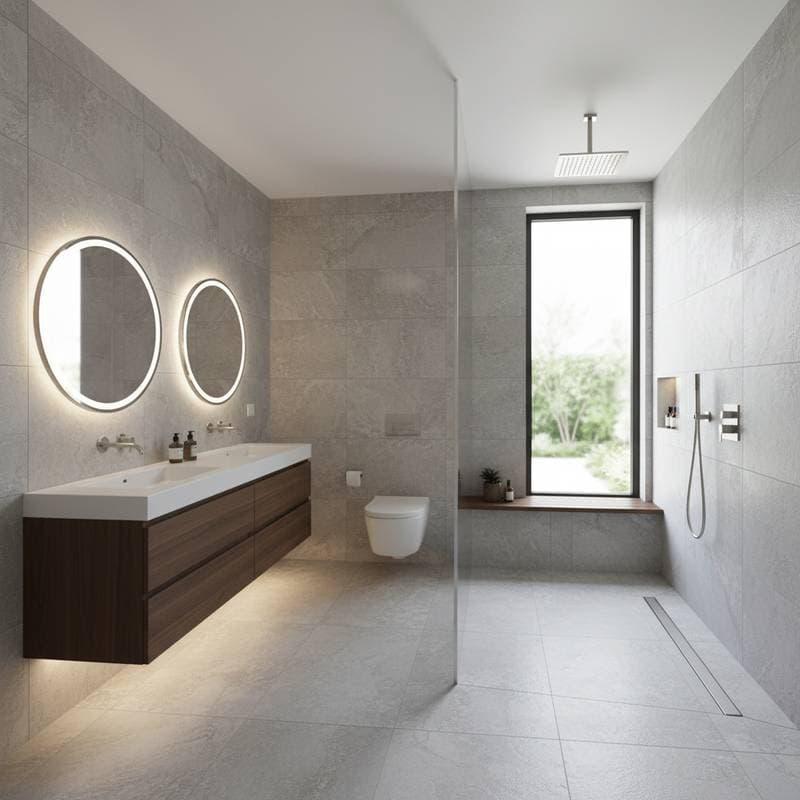
Introduction to Wet Rooms in 2026
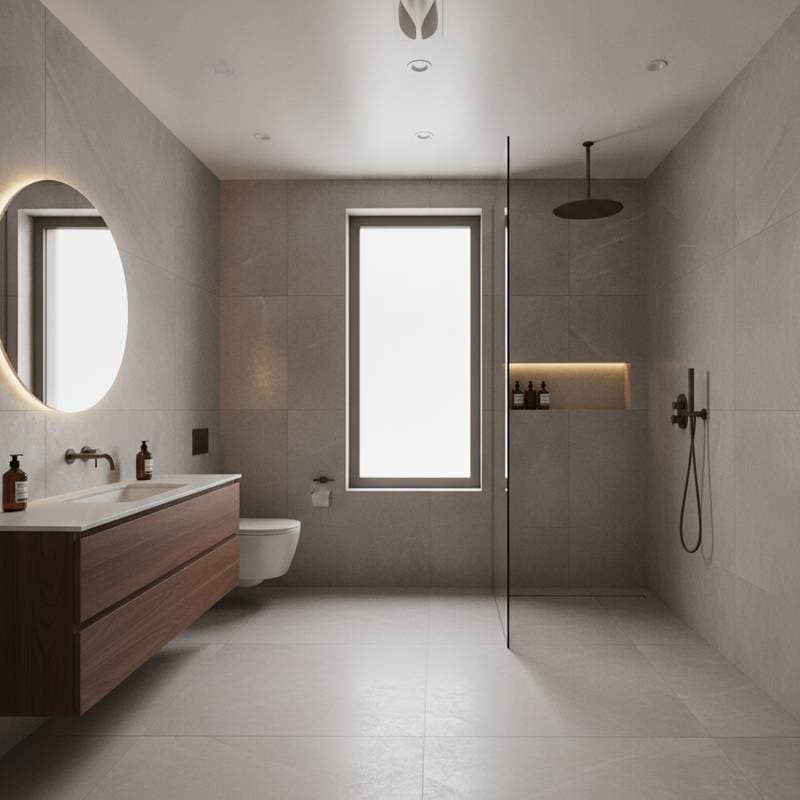
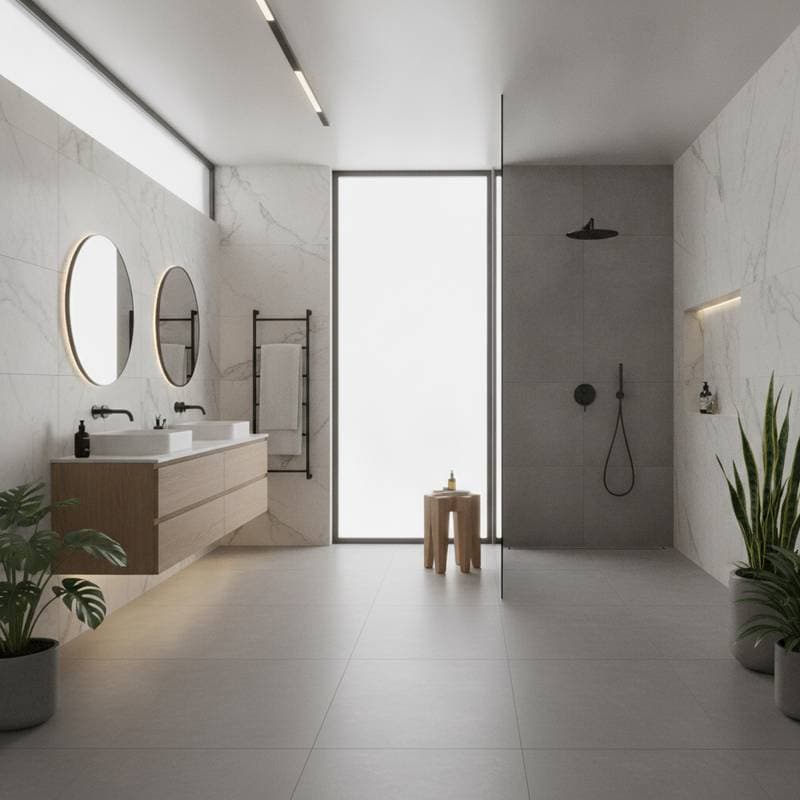
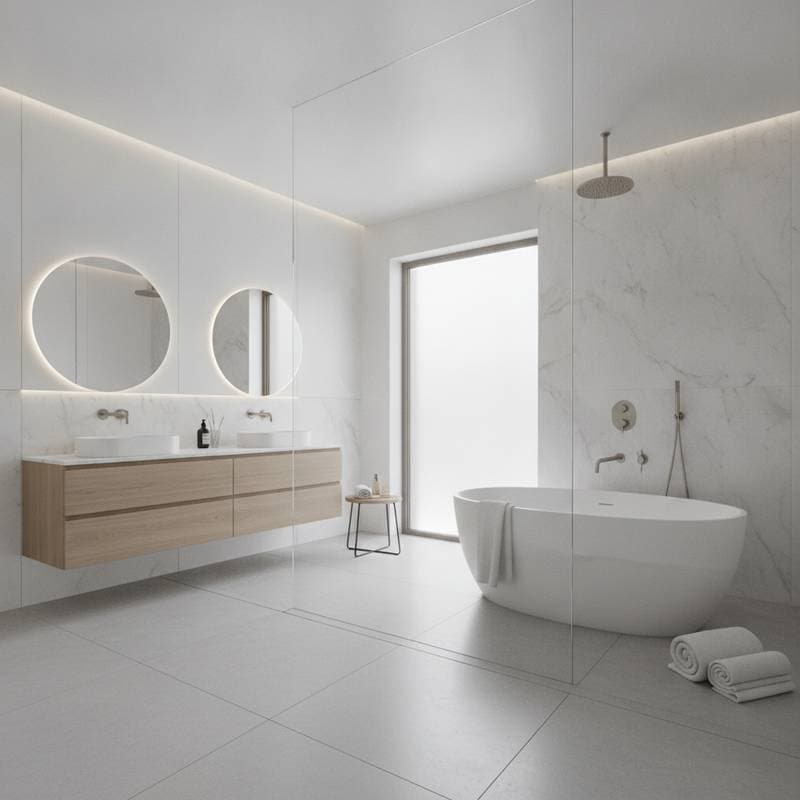
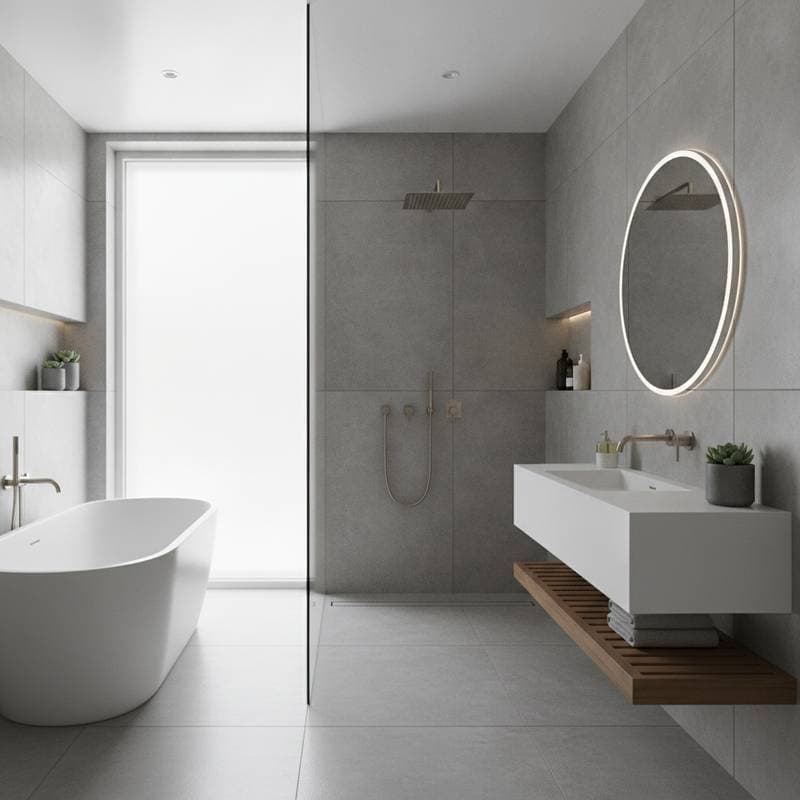
Wet rooms represent a leading bathroom innovation for 2026, offering open, seamless shower areas without curbs or enclosures. These designs integrate the entire bathroom floor as a waterproof zone, promoting accessibility and modern aesthetics. Homeowners appreciate the spa-like feel, while the construction ensures resistance to moisture damage over decades.
The average cost for a standard wet room installation reaches $14,000, with variations based on size, materials, and location. Projects typically span two to four weeks, factoring in curing times for waterproofing. Proper execution not only prevents leaks but also increases home resale value by up to 5 percent in urban markets.
Detailed Cost Breakdown
Wet room expenses depend on several components, from materials to labor. Budgeting requires itemized estimates to avoid surprises. Below is a comprehensive overview of typical costs for a 60- to 80-square-foot space.
1. Materials
- Flooring and tiles: Large-format porcelain or glass tiles cost $2,500 to $6,000, selected for slip resistance and waterproof properties.
- Waterproof membranes: Sheet or liquid systems range from $800 to $2,000, applied to floors and walls up to 72 inches high.
- Drains and plumbing fixtures: Linear or point drains with integrated traps run $400 to $1,200.
- Glass panels or half walls: Frameless enclosures or partitions add $700 to $1,800 for containment without full barriers.
2. Labor
- Waterproofing and sloping: Professionals handle membrane application and floor pitching at $2,000 to $4,000.
- Tile setting: Precision installation of floors and walls costs $3,000 to $5,000.
- Plumbing and drain relocation: Adjustments to pipes and fixtures total $1,200 to $3,500.
3. Size and Access Considerations
Smaller bathrooms under 60 square feet incur lower material costs but demand exact sloping to prevent water pooling. Larger spaces over 100 square feet may exceed $20,000 due to expanded waterproofing.
Second-floor projects necessitate subfloor reinforcement, adding $800 to $1,500 for structural support. Accessibility features, such as grab bars or benches, integrate seamlessly and qualify for potential rebates.
4. Permits and Compliance
Local building codes mandate permits for plumbing alterations and waterproofing. Fees for permits and inspections range from $200 to $500.
Compliance ensures safety, particularly for electrical elements like heated floors. Consult municipal guidelines early to streamline approvals.
5. Preparation and Disposal
Demolition of existing showers and tiles costs $500 to $1,000, including debris removal.
Floor leveling or reinforcement adds $700 to $1,500, essential for even drainage. These steps prevent future settling issues.
DIY Versus Professional Installation
DIY Approach
DIY suits minor updates, such as replacing a drain cover or refreshing surface tiles. Success demands expertise in waterproofing and precise tiling techniques.
However, errors in sealing or sloping often lead to leaks, with repair costs exceeding $5,000. Specialized tools like laser levels prove necessary for accurate drain placement.
Professional Installation
Engage licensed contractors for complete conversions, especially involving plumbing changes. Seek certifications in waterproof membrane systems from organizations like the Tile Council of North America.
Professionals provide written warranties of at least 10 years on waterproofing. They coordinate subcontractors for electrical and plumbing, ensuring code compliance.
Key Risks and Required Skills
Waterproofing failures account for 70 percent of wet room issues in amateur projects. Proper sloping requires a minimum 1 to 2 percent gradient toward the drain.
Electrical components, including grounding and low-voltage lighting, demand licensed electrician oversight. Always prioritize safety to avoid hazards in wet environments.
Project Timing and Cost-Saving Strategies
Wet room installations require two to four weeks, primarily due to curing periods for waterproofing layers. Delays often stem from drying times or custom material lead times of up to six weeks.
Savings Tips
Retain existing plumbing positions to eliminate relocation fees, potentially saving $2,000. Opt for porcelain tiles over natural stone to reduce maintenance and speed up installation by one week.
Procure drains and membranes in advance; supply chain disruptions can extend timelines by several weeks. Bulk purchasing through contractors often yields 10 to 15 percent discounts.
Seasonal Planning
Initiate projects in spring or early fall, when natural ventilation aids curing. Winter installations in unheated areas risk improper setting of adhesives and grout.
Incentives and Rebates
Local utility programs may rebate $500 to $1,000 for accessible, curbless designs. Verify eligibility for tax credits on home accessibility improvements through IRS guidelines.
Maintenance and Warranty Essentials
Daily and Weekly Care
Squeegee surfaces after use to inhibit mildew growth. Weekly cleaning with neutral pH solutions preserves tile and grout integrity.
Monthly drain inspections prevent clogs from soap residue. Use enzyme-based cleaners for eco-friendly upkeep.
Long-Term Maintenance
Reseal grout every three to five years to maintain water resistance. Annual checks of membrane edges, where tiles meet walls, detect early wear.
Replace silicone caulking if discoloration or separation occurs, typically every two years. These practices extend the system's lifespan beyond 30 years.
Warranty Coverage
Manufacturers warrant tile and membranes for water resistance over 10 to 15 years. Labor warranties from contractors last one to three years.
Retain receipts and installation documentation for claims. Extended warranties on premium drains can cover 20 years.
Common Failure Points
Inadequate sloping leads to water pooling and subfloor damage. Inferior grout absorbs moisture, causing cracks within five years.
Omit primers on membranes at your peril; they reduce effectiveness by 50 percent. Regular inspections mitigate these risks.
Step-by-Step Installation Guide
1. Layout Confirmation
Mark the drain location and slope direction on the subfloor prior to demolition. Ensure a 1 to 2 percent gradient for efficient drainage.
2. Structural Preparation
Reinforce floor joists to bear tile weight, typically 15 pounds per square foot. Install cement backer board rated for wet applications.
3. Waterproofing Application
Apply liquid or sheet membranes to floors and walls up to the desired height. Seal all joints, corners, and penetrations meticulously.
4. Tile Installation
Commence tiling from the drain outward, using thin-set mortar. Select non-slip tiles with a wet coefficient of friction above 0.6.
5. Pre-Grout Testing
Conduct a 24-hour flood test to verify leak-free performance. Address any issues before proceeding to grouting.
6. Final Finishing
Install glass panels, recessed lighting, and accessories post-grout curing. Incorporate niches or fold-down benches for functionality.
Actionable Next Steps
Obtain three detailed quotes from certified waterproofing specialists. Request breakdowns for membranes, drains, and labor, while evaluating warranty terms.
For budget constraints, maintain original plumbing and choose durable porcelain tiles. Prioritize quality linear drains and comprehensive waterproofing for enduring results.
A well-executed wet room delivers moisture resistance, enhanced accessibility, and lasting beauty. With expert planning, this upgrade withstands daily use for generations, elevating both comfort and property appeal.