Terrazzo Revival: The 2026 Flooring Trend That Enhances Home Value
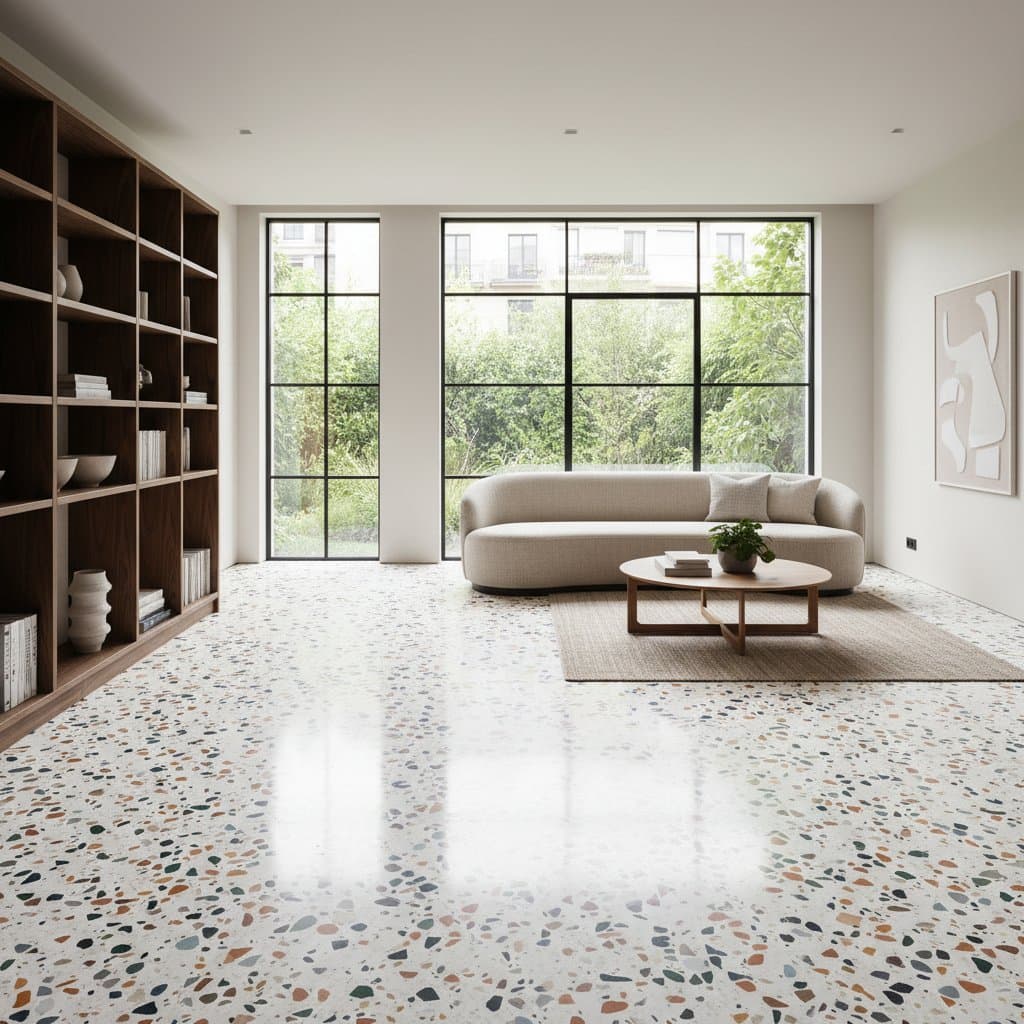
Terrazzo flooring reemerges as a prominent choice in residential design. This versatile material integrates chips of marble, quartz, glass, or granite within a binder of cement or epoxy, creating a seamless, patterned surface. The result provides a polished, speckled appearance suitable for contemporary and vintage-style interiors alike. Property owners increasingly select terrazzo for its exceptional longevity, broad customization possibilities, and environmental benefits. It represents an ideal upgrade for those seeking a resilient, easy-to-maintain floor that introduces visual depth while increasing market appeal.
Advantages and Drawbacks
Advantages
- Extended Durability: Properly sealed and maintained terrazzo withstands heavy use for several decades without significant wear.
- Personalized Aesthetics: Options for chip sizes, color combinations, and surface finishes allow for unique designs tailored to specific spaces.
- Minimal Upkeep: After initial sealing, the surface repels stains and moisture, requiring only routine cleaning.
- Eco-Friendly Composition: Many installations incorporate recycled glass or stone aggregates, supporting sustainable building practices.
- Increased Property Worth: The perception of luxury associated with terrazzo often translates to higher resale prices in competitive markets.
Drawbacks
- Elevated Initial Expense: Costs exceed those of standard tile or vinyl alternatives, reflecting the material quality and labor involved.
- Firm Texture: The hard surface feels cool and unyielding, necessitating rugs or underfloor heating for comfort in living areas.
- Potential for Fractures: Installation over uneven or shifting subfloors can lead to cracks over time.
- Professional Expertise Required: The process demands specialized skills, making it unsuitable for amateur attempts.
- Wet-Surface Slip Risk: Smooth finishes become hazardous when damp, though textured sealants mitigate this issue.
Professional Installation Versus DIY Approaches
Terrazzo demands precision and technical knowledge, positioning it beyond the scope of novice projects. The procedure involves mixing aggregates with binders, pouring onto prepared subfloors, grinding to smoothness, and applying protective sealants.
- Complexity Level: Advanced, requiring experience in concrete handling and surface finishing.
- Duration: Typically spans four to ten days, accounting for material curing and multiple polishing stages.
- Essential Equipment: Includes industrial mixers, trowels for application, grinders with diamond-impregnated pads, and high-quality sealants.
- Potential Pitfalls: Risks encompass surface cracking, irregular leveling, and mismatched coloration if steps are mishandled.
Professionals handle poured cement or epoxy terrazzo installations comprehensively. They prepare subfloors meticulously, incorporate expansion joints to accommodate movement, and execute flawless polishing. For DIY enthusiasts, pre-fabricated terrazzo tiles offer a more accessible option on smaller scales, such as accents or repairs. Even in these cases, accurate cutting, adhesive application, and grout leveling remain crucial for seamless results.
Upkeep Strategies and Longevity
Terrazzo endures for decades under consistent care routines. Weekly sweeping or vacuuming removes abrasive particles that could scratch the surface. Monthly damp mopping with a pH-neutral solution preserves cleanliness without damaging the sealant. Harsh chemicals, acids, or abrasive tools should be avoided to prevent etching or dulling.
Sealing intervals vary by type: epoxy formulations require reapplication every two to three years, while cement-based versions suffice with treatments every five years. Monitor for signs of wear, such as faded sheen or minor fissures, which indicate timely intervention through resealing or light polishing.
Certified installations often include material warranties of ten to fifteen years. Adhering to maintenance protocols extends the floor's functionality far beyond these periods, ensuring sustained performance and appearance.
Regional Considerations for Installation
Environmental Influences
In regions with high humidity or proximity to water, installers must incorporate vapor barriers beneath the terrazzo to prevent moisture infiltration. Epoxy binders outperform cement in such conditions due to superior water resistance.
Workforce Availability
Urban areas boast greater access to experienced terrazzo artisans, though this availability correlates with higher labor fees. Rural locations may necessitate traveling specialists, potentially increasing overall project timelines and costs.
Regulatory Requirements
Local authorities in certain jurisdictions mandate subfloor vapor emission tests or engineering assessments prior to terrazzo application over concrete. Consultation with building officials confirms necessary permits and compliance standards.
Geological Challenges
Properties in areas prone to earthquakes or soil subsidence benefit from flexible epoxy systems or strategic placement of control joints. These measures absorb movement and minimize crack formation.
Return on Investment and Market Appeal
Investing in terrazzo elevates a home's attractiveness to prospective buyers, who associate it with upscale, enduring quality akin to polished natural stone. Recovery rates on the investment typically fall between 55 and 70 percent, influenced by the intricacy of the design and regional buyer preferences.
Properties featuring terrazzo command quicker sales in style-savvy locales, where its blend of resilience and elegance stands out. The material's extended service life also reduces long-term ownership expenses, appealing to those intending prolonged residency.
Safety Protocols
Wet terrazzo poses a slip hazard, particularly in high-moisture zones like kitchens and foyers. Specify non-slip aggregates or matte-finish sealants during installation to enhance traction.
During the installation phase, workers must use respirators to guard against dust from grinding operations. Integration of electrical wiring or radiant heating systems beneath the floor requires oversight by qualified electricians. Structural alterations, such as slab modifications, generally demand official permits to ensure code adherence. Flexible subfloors like wood necessitate robust underlayments to avoid future instability.
Frequently Asked Questions
Does terrazzo flooring resist water effectively?
Epoxy variants provide strong water resistance post-sealing, while cement-based types remain somewhat porous and benefit from frequent sealant renewal to repel moisture.
Is installation possible over pre-existing tile or concrete?
Affirmative, provided the underlying surface proves level, stable, and free of contaminants. Professionals typically apply a bonding agent or moisture membrane as preparation.
How prone is terrazzo to cracking?
Cracks occur infrequently on solid foundations equipped with expansion joints. Most issues arise from subfloor shifts rather than inherent material weaknesses.
To what extent does terrazzo retain cold temperatures?
Similar to natural stone, it conducts ambient temperatures. Incorporating radiant floor heating effectively counters chill in cooler seasons.
Can damage like chips or stains on terrazzo be fixed?
Minor chips repair via resin fillers matched with aggregate pieces. Surface stains respond to buffing or polishing, though extensive harm calls for expert refinishing.
Preserving Terrazzo's Lasting Benefits
Terrazzo realizes its full potential through diligent protection and care. Routine cleaning and sealing safeguard against everyday wear, while protective rugs in busy areas lessen impact stress. Engaging specialists for periodic polishing revives the surface's luster and vibrancy.
Homeowners pursuing a fusion of artistic expression, practicality, and reliability find terrazzo unmatched. Secure estimates from accredited contractors and address permitting early in planning. Such preparation yields a floor that enhances daily living and property equity for generations.